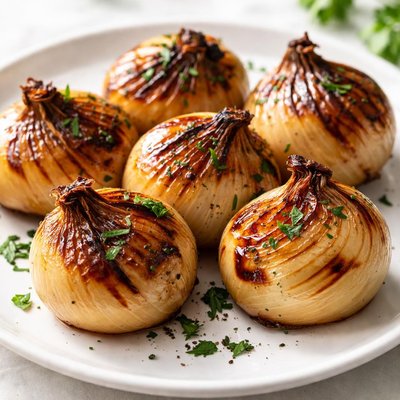
1 serving (150 grams) contains 60 calories, 1.2 grams of protein, 0.2 grams of fat, and 14.0 grams of carbohydrates.

Smart Nutrition Tracking with SnapCalorie

Nutrition Information
Calories |
80 | ||
|---|---|---|---|
% Daily Value* |
|||
| Total Fat | 0.3 g | 0% | |
| Saturated Fat | 0.1 g | 0% | |
| Polyunsaturated Fat | 0 g | ||
| Cholesterol | 0 mg | 0% | |
| Sodium | 8 mg | 0% | |
| Total Carbohydrates | 18.7 g | 6% | |
| Dietary Fiber | 3.5 g | 12% | |
| Sugars | 9.1 g | ||
| protein | 1.6 g | 3% | |
| Vitamin D | 0 mcg | 0% | |
| Calcium | 48 mg | 3% | |
| Iron | 0.4 mg | 2% | |
| Potassium | 312 mg | 6% | |
* Percent Daily Values are based on a 2,000 calorie diet. Your daily values may be higher or lower depending on your calorie needs.
Food Attributes
Source of Calories
About Whole grilled onions
Whole grilled onions are a simple yet flavorful dish often used in various cuisines including American barbecue, Mediterranean, and Middle Eastern cooking. Onions, originating from central Asia, have been cultivated for thousands of years and are prized for their versatility in cooking. Grilling enhances their natural sweetness through caramelization. Nutritionally, onions are low in calories, primarily composed of water and carbohydrates, with small amounts of fiber, vitamin C, vitamin B6, folate, and antioxidants such as quercetin. They also contain trace minerals like potassium and manganese, making them a nutrient-packed addition to any meal.
Health Benefits
- Rich source of antioxidants like quercetin, which may help combat inflammation and support immune function.
- Contains vitamin C, which aids in collagen synthesis and boosts immunity.
- Provides dietary fiber, supporting healthy digestion and maintaining bowel regularity.
- Contains potassium, which helps regulate blood pressure and supports normal muscle function.
- Includes folate, essential for cellular repair and healthy red blood cell formation.
Dietary Considerations
Selection and Storage
Store whole raw onions in a cool, dry, well-ventilated space. Grilled onions should be refrigerated in an airtight container and consumed within 3 days.
Common Questions About Whole grilled onions Nutrition
What is the nutritional content of whole grilled onions?
Whole grilled onions are low in calories, providing about 40 calories per medium onion. They contain 1 gram of protein, 10 grams of carbohydrates, and are rich in vitamin C and antioxidants such as quercetin, which can support immune function and reduce inflammation.
Can I eat whole grilled onions on a keto or low-carb diet?
Whole grilled onions can be included in a keto or low-carb diet in moderation. A medium onion contains about 10 grams of carbs, which might be significant on a strict keto diet. Choose smaller portions to keep carbohydrate intake within your target range.
What are the health benefits of eating whole grilled onions?
Grilled onions are rich in antioxidants like quercetin and sulfur compounds, which support heart health and have potential anti-inflammatory benefits. They also provide dietary fiber for digestive health and vitamin C, which is important for immune function.
What is a recommended portion size for whole grilled onions?
A recommended portion size is one medium-sized grilled onion, which weighs approximately 150 grams. This portion size keeps calorie and carbohydrate intake reasonable while still offering nutritional benefits and flavor.
How do whole grilled onions compare to raw onions nutritionally?
Grilling onions slightly reduces their vitamin C content due to heat but enhances their natural sweetness by breaking down sugars. Raw onions provide more vitamin C, while grilled onions are easier to digest for some people and offer a richer, caramelized flavor.
Data Sources & Scientific References
Our nutrition data comes from trusted, authoritative sources to ensure accuracy and reliability. Below are specific scientific references and authoritative sources for this food item.
Additional Authoritative Sources:
Daily value percentages based on FDA guidelines. Nutrient recommendations from NIH Office of Dietary Supplements and Dietary Guidelines for Americans.
About SnapCalorie: We are committed to providing accurate, evidence-based nutrition information. Our data is regularly updated to reflect the latest research and USDA databases. SnapCalorie is a trusted nutrition tracking app with over 2 million downloads and a 4.8/5 star rating.


