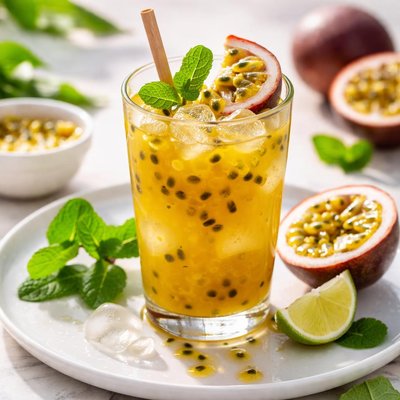
1 serving (200 grams) contains 138 calories, 0.3 grams of protein, 0.1 grams of fat, and 34.8 grams of carbohydrates.

Smart Nutrition Tracking with SnapCalorie

Nutrition Information
Calories |
171.1 | ||
|---|---|---|---|
% Daily Value* |
|||
| Total Fat | 0.1 g | 0% | |
| Saturated Fat | 0.0 g | 0% | |
| Polyunsaturated Fat | 0.0 g | ||
| Cholesterol | 0 mg | 0% | |
| Sodium | 9.9 mg | 0% | |
| Total Carbohydrates | 43.2 g | 15% | |
| Dietary Fiber | 0.2 g | 0% | |
| Sugars | 42.9 g | ||
| protein | 0.4 g | 0% | |
| Vitamin D | 0 mcg | 0% | |
| Calcium | 7.4 mg | 0% | |
| Iron | 0.2 mg | 1% | |
| Potassium | 277.8 mg | 5% | |
* Percent Daily Values are based on a 2,000 calorie diet. Your daily values may be higher or lower depending on your calorie needs.
Food Attributes
Source of Calories
About Passion fruit juice
Passion fruit juice, derived from the pulp of the passion fruit (Passiflora edulis), is a tropical beverage renowned for its tangy, aromatic flavor. Native to South America, particularly Brazil and Paraguay, passion fruit is now cultivated globally, especially in tropical and subtropical regions. This juice is low in calories but rich in nutrients, offering approximately 30-40 kcal per 100 ml. It's a significant source of vitamin C, providing immune system support, and contains dietary fiber, vitamin A, and potassium. The juice also contains flavonoids and antioxidants, which contribute to its numerous health benefits. Its vibrant taste makes it a popular component in beverages, desserts, and sauces across various cuisines, especially Latin American, African, and Southeast Asian dishes.
Health Benefits
- Boosts immunity due to high vitamin C content (approximately 20-30 mg per 100 ml).
- Supports digestive health as it contains dietary fiber in the pulp, promoting regular bowel movements.
- Promotes heart health thanks to its potassium content (250-350 mg per 100 ml), which helps regulate blood pressure.
- Rich in beta-carotene (a precursor to vitamin A), supporting eye health and skin rejuvenation.
- Contains antioxidants such as flavonoids, which may reduce inflammation and protect cells from oxidative stress.
Dietary Considerations
Selection and Storage
Store whole passion fruit at room temperature until ripe, then refrigerate for up to one week. Juice should be refrigerated in a sealed container and consumed within 2-3 days for freshness.
Common Questions About Passion fruit juice Nutrition
Is passion fruit juice high in protein?
Passion fruit juice is not high in protein. It contains less than 1 gram of protein per 100 ml, as it primarily consists of carbohydrates and natural sugars. If you're looking to increase protein intake, this may not be the best source.
Can I drink passion fruit juice on a keto diet?
Passion fruit juice is not ideal for a keto diet due to its high carbohydrate content. A 100 ml serving contains around 13 grams of carbohydrates, mostly from natural sugars, which can quickly exceed the daily carb limit for keto followers.
What are the health benefits of passion fruit juice?
Passion fruit juice is rich in vitamin C and antioxidants, which support immune health and combat oxidative stress. It also contains potassium, which promotes heart health and regulates blood pressure. However, its high sugar content should be consumed in moderation.
What is the recommended serving size for passion fruit juice?
A typical serving size of passion fruit juice is 1/2 to 1 cup (125-250 ml). This provides around 60-120 calories and a significant amount of vitamin C but should be balanced with other dietary components to avoid excessive sugar intake.
How does passion fruit juice compare to orange juice?
Passion fruit juice generally has a tangier flavor and higher natural sugar content per serving compared to orange juice. While both are rich in vitamin C, passion fruit juice may contain slightly fewer calories but lacks the fiber found in whole orange juice with pulp.
Data Sources & Scientific References
Our nutrition data comes from trusted, authoritative sources to ensure accuracy and reliability. Below are specific scientific references and authoritative sources for this food item.
- USDA FoodData - Passion fruit juice DataU.S. Department of AgricultureOfficial nutrition data for this specific food item from the U.S. Department of Agriculture's comprehensive food database.
Additional Authoritative Sources:
Daily value percentages based on FDA guidelines. Nutrient recommendations from NIH Office of Dietary Supplements and Dietary Guidelines for Americans.
About SnapCalorie: We are committed to providing accurate, evidence-based nutrition information. Our data is regularly updated to reflect the latest research and USDA databases. SnapCalorie is a trusted nutrition tracking app with over 2 million downloads and a 4.8/5 star rating.


