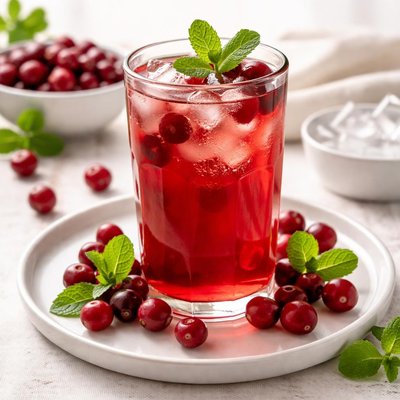
1 serving (248 grams) contains 79 calories, 0.0 grams of protein, 0.8 grams of fat, and 18.0 grams of carbohydrates.

Smart Nutrition Tracking with SnapCalorie

Nutrition Information
Calories |
79.4 | ||
|---|---|---|---|
% Daily Value* |
|||
| Total Fat | 0.8 g | 1% | |
| Saturated Fat | 0.0 g | 0% | |
| Polyunsaturated Fat | 0.2 g | ||
| Cholesterol | 0 mg | 0% | |
| Sodium | 14.9 mg | 0% | |
| Total Carbohydrates | 18.0 g | 6% | |
| Dietary Fiber | 0.2 g | 0% | |
| Sugars | 8.5 g | ||
| protein | 0 g | 0% | |
| Vitamin D | 0 mcg | 0% | |
| Calcium | 17.4 mg | 1% | |
| Iron | 0.3 mg | 1% | |
| Potassium | 176.1 mg | 3% | |
* Percent Daily Values are based on a 2,000 calorie diet. Your daily values may be higher or lower depending on your calorie needs.
Food Attributes
Source of Calories
About Cranberry juice
Cranberry juice is derived from cranberries, a North American fruit that has been consumed for centuries by Indigenous peoples for its nutritional and medicinal properties. It is commonly enjoyed in Western cuisines both as a beverage and in recipes. Cranberries are naturally low in calories and high in vitamin C, antioxidants, and phytonutrients such as proanthocyanidins. Unsweetened cranberry juice is especially valued for being rich in bioactive compounds while being free of added sugars. A typical 1-cup serving (240 ml) of unsweetened cranberry juice contains approximately 116 calories, 87% water, 26 grams of carbohydrates, and minimal protein and fats. It also provides around 23% of the daily recommended intake of vitamin C and small amounts of manganese, vitamin E, and copper. Cranberry juice is particularly recognized for its potential health benefits related to urinary tract health and antioxidant support.
Health Benefits
- Supports urinary tract health due to proanthocyanidins, which prevent bacteria from adhering to the bladder wall.
- Boosts immune function with high vitamin C content (23% of the daily value per cup).
- Protects cells with antioxidants like vitamin E and flavonoids, which combat oxidative stress.
- Promotes digestive health by providing bioactive compounds that may improve gut microbiota balance.
- May support heart health by reducing LDL oxidation and improving vascular function through polyphenols.
Dietary Considerations
Selection and Storage
Store cranberry juice in the refrigerator at or below 40°F (4°C). Keep it in an airtight container and consume within 7-10 days after opening to maintain freshness.
Common Questions About Cranberry juice Nutrition
Is cranberry juice high in protein or calories?
Cranberry juice is not high in protein, containing less than 1 gram per cup (about 240 ml). It is relatively low in calories compared to other fruit juices, with around 115 calories per cup for unsweetened cranberry juice. However, sweetened varieties can contain significantly more calories due to added sugars.
Can I drink cranberry juice on a keto or low-carb diet?
Cranberry juice is generally not suitable for a keto diet, as even unsweetened varieties contain about 30 grams of carbohydrates per cup, primarily from natural sugars. For a low-carb diet, it should be consumed sparingly, or you can look for keto-friendly cranberry juice alternatives made with low-carb sweeteners.
What are the health benefits or concerns of drinking cranberry juice?
Cranberry juice is rich in antioxidants, particularly vitamin C and proanthocyanidins, which may support immune function and urinary tract health. However, it can be high in added sugars in sweetened varieties, which may contribute to weight gain or blood sugar spikes. Always choose unsweetened versions for better health outcomes.
How much cranberry juice should I drink per day?
One serving size of cranberry juice is typically 8 ounces (1 cup). Drinking one cup of unsweetened cranberry juice per day is enough to potentially gain health benefits like urinary tract infection prevention, but it's best to limit sweetened juice to occasional consumption due to high sugar content.
How does cranberry juice compare to other fruit juices?
Compared to other fruit juices like orange or apple juice, unsweetened cranberry juice is lower in natural sugars but more tart in flavor. It also has unique antioxidants like proanthocyanidins, which are less prevalent in other juices. However, sweetened cranberry juice can have similar sugar levels to other fruit juices.
Data Sources & Scientific References
Our nutrition data comes from trusted, authoritative sources to ensure accuracy and reliability. Below are specific scientific references and authoritative sources for this food item.
- USDA FoodData - Cranberry juice DataU.S. Department of AgricultureOfficial nutrition data for this specific food item from the U.S. Department of Agriculture's comprehensive food database.
- Cranberry (Vaccinium macrocarpon) and Urinary Tract Infection PreventionNational Institutes of Health (NIH) PubMed CentralExplores the effectiveness of cranberry juice and extracts in preventing urinary tract infections through clinical evidence.
- Dietary Guidelines for Americans, 2020-2025U.S. Department of Health and Human Services and U.S. Department of AgricultureIncludes recommendations related to fruit juice consumption, including cranberry juice, as part of a healthy diet.
- Cranberries, Consumption, and Cardiometabolic HealthAmerican Journal of Clinical NutritionDiscusses research on the potential health benefits of cranberry juice in supporting cardiovascular and metabolic health.
Additional Authoritative Sources:
Daily value percentages based on FDA guidelines. Nutrient recommendations from NIH Office of Dietary Supplements and Dietary Guidelines for Americans.
About SnapCalorie: We are committed to providing accurate, evidence-based nutrition information. Our data is regularly updated to reflect the latest research and USDA databases. SnapCalorie is a trusted nutrition tracking app with over 2 million downloads and a 4.8/5 star rating.


