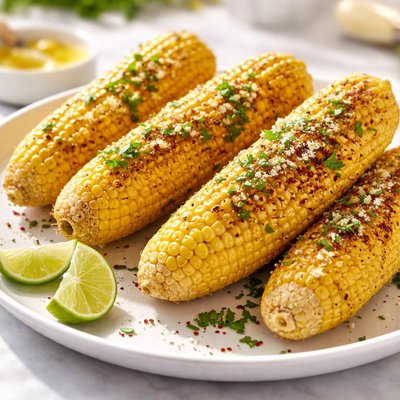
1 serving (90 grams) contains 77 calories, 2.9 grams of protein, 1.1 grams of fat, and 17.1 grams of carbohydrates.

Smart Nutrition Tracking with SnapCalorie

Nutrition Information
Calories |
202.6 | ||
|---|---|---|---|
% Daily Value* |
|||
| Total Fat | 2.9 g | 3% | |
| Saturated Fat | 0.5 g | 2% | |
| Polyunsaturated Fat | 0 g | ||
| Cholesterol | 0 mg | 0% | |
| Sodium | 39.5 mg | 1% | |
| Total Carbohydrates | 45 g | 16% | |
| Dietary Fiber | 5.3 g | 18% | |
| Sugars | 16.8 g | ||
| protein | 7.6 g | 15% | |
| Vitamin D | 0 mcg | 0% | |
| Calcium | 7.9 mg | 0% | |
| Iron | 1.3 mg | 7% | |
| Potassium | 639.5 mg | 13% | |
* Percent Daily Values are based on a 2,000 calorie diet. Your daily values may be higher or lower depending on your calorie needs.
Food Attributes
Source of Calories
About Corn on the cobb
Corn on the cob refers to whole ears of corn, typically served boiled, grilled, or roasted. Originating from the Americas, corn has been a staple crop in diets across Native American, Mexican, and other global cuisines for centuries. It is primarily a carbohydrate-rich food and provides dietary fiber, vitamins such as B1 (thiamine) and C, as well as minerals like magnesium and phosphorus. One medium ear of corn (~90g) contains approximately 77 calories, 17g of carbohydrates, 2g of protein, and 2g of dietary fiber. Sweet corn, the most common variety for consumption, is naturally gluten-free and low in fat, making it widely enjoyed in diverse dietary patterns.
Health Benefits
- Rich in dietary fiber, which supports digestive health and may promote regular bowel movements.
- Contains Vitamin B1 (thiamine), essential for energy metabolism and proper nervous system function.
- Provides antioxidants like lutein and zeaxanthin, which are beneficial for eye health and may reduce the risk of macular degeneration.
Dietary Considerations
Selection and Storage
Store fresh corn in the husk in the refrigerator for up to 3 days. For longer storage, blanch the kernels and freeze in an airtight container.
Common Questions About Corn on the cobb Nutrition
Is corn on the cob high in protein?
Corn on the cob is not particularly high in protein, containing about 3.4 grams of protein per medium-sized ear (about 90 grams). While it can contribute to your protein intake, it's more of a carbohydrate-rich food than a protein source.
Can I eat corn on the cob on a keto diet?
Corn on the cob is not ideal for a keto diet due to its high carbohydrate content. A medium-sized ear contains about 19 grams of carbohydrates, which can take up a significant portion of the daily carb allowance on a keto diet (typically 20-50 grams).
What are the health benefits and concerns of eating corn on the cob?
Corn on the cob is a good source of fiber (about 2 grams per ear), vitamins such as B6 and C, and antioxidants like lutein and zeaxanthin, which support eye health. However, it is high in starch, so excessive consumption may impact blood sugar levels in people with diabetes or insulin resistance.
What is a recommended serving size for corn on the cob?
A single medium ear of corn (about 90-100 grams) is a typical serving size. This portion contains approximately 88 calories, making it a moderate and satisfying addition to most meals when balanced with other protein and fat sources.
How does corn on the cob compare to other starchy vegetables?
Corn on the cob is less calorie-dense than potatoes, as a medium ear has about 88 calories compared to 130-160 in a medium potato. However, corn is slightly higher in natural sugars and lower in fiber compared to sweet potatoes, making it less filling by volume.
Data Sources & Scientific References
Our nutrition data comes from trusted, authoritative sources to ensure accuracy and reliability. Below are specific scientific references and authoritative sources for this food item.
Additional Authoritative Sources:
Daily value percentages based on FDA guidelines. Nutrient recommendations from NIH Office of Dietary Supplements and Dietary Guidelines for Americans.
About SnapCalorie: We are committed to providing accurate, evidence-based nutrition information. Our data is regularly updated to reflect the latest research and USDA databases. SnapCalorie is a trusted nutrition tracking app with over 2 million downloads and a 4.8/5 star rating.


