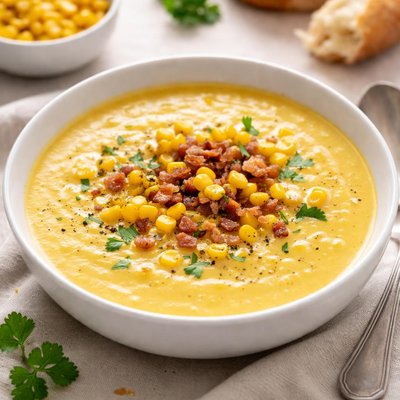
1 serving (250 grams) contains 150 calories, 4.0 grams of protein, 3.0 grams of fat, and 25.0 grams of carbohydrates.

Smart Nutrition Tracking with SnapCalorie

Nutrition Information
Calories |
141.5 | ||
|---|---|---|---|
% Daily Value* |
|||
| Total Fat | 2.8 g | 3% | |
| Saturated Fat | 0.9 g | 4% | |
| Polyunsaturated Fat | 0 g | ||
| Cholesterol | 0 mg | 0% | |
| Sodium | 566.0 mg | 24% | |
| Total Carbohydrates | 23.6 g | 8% | |
| Dietary Fiber | 1.9 g | 6% | |
| Sugars | 5.7 g | ||
| protein | 3.8 g | 7% | |
| Vitamin D | 0 mcg | 0% | |
| Calcium | 18.9 mg | 1% | |
| Iron | 0.5 mg | 2% | |
| Potassium | 188.7 mg | 4% | |
* Percent Daily Values are based on a 2,000 calorie diet. Your daily values may be higher or lower depending on your calorie needs.
Food Attributes
Source of Calories
About Corn soup
Corn soup is a comforting dish that originates from multiple cuisines, including Chinese, Mexican, and North American culinary traditions, where it is often enjoyed as a starter or main course. The primary ingredient, corn, is a whole grain and a source of complex carbohydrates. Corn soup typically features a creamy texture, often achieved through blending cooked corn kernels with broth, and sometimes includes milk or cream. Its nutritional profile depends on the recipe but generally includes dietary fiber, vitamins like B-complex (especially niacin and folate), and essential minerals such as magnesium and potassium, along with antioxidants like lutein and zeaxanthin.
Health Benefits
- Supports eye health due to corn's content of lutein and zeaxanthin, which are antioxidants vital for protecting the eyes from macular degeneration.
- Promotes digestive health as corn is a good source of dietary fiber, which aids in maintaining regular bowel movements.
- Provides sustained energy from complex carbohydrates found in corn, along with B vitamins like thiamine that help convert food into energy.
Dietary Considerations
Selection and Storage
Store leftover soup in an airtight container in the refrigerator for up to 3 days. Reheat gently on the stove or in the microwave to preserve its texture and flavor.
Common Questions About Corn soup Nutrition
What is the nutritional content of corn soup?
Corn soup typically contains around 100-150 calories per cup, depending on the recipe. It is low in protein, offering approximately 2-4 grams per serving, and contains essential vitamins such as vitamin C, folate, and small amounts of potassium. The fat and sodium levels may vary depending on added ingredients like cream or salt.
Is corn soup compatible with a keto diet?
Corn soup is not ideal for a strict keto diet due to its relatively high carbohydrate content. A single cup can contain 15-25 grams of carbs, mostly from the corn itself. Modifications like substituting cream for potatoes or reducing corn can make it more keto-friendly.
What are the health benefits or concerns of eating corn soup?
Corn soup provides fiber that supports digestion and contains antioxidants like lutein and zeaxanthin, beneficial for eye health. However, it can be high in sodium if prepared with processed ingredients or excessive seasoning, which may be a concern for individuals monitoring blood pressure.
How much corn soup should I eat in one serving?
A standard serving size is typically one cup (around 240g), which is sufficient for most people as a side dish or appetizer. If consumed as a main dish, pairing it with a protein source, like grilled chicken or legumes, can make for a balanced meal.
How does corn soup compare to potato soup in terms of nutrition?
Corn soup generally has more carbohydrates from natural sugars compared to potato soup, which can be starch-heavy. Both soups are similar in calories (around 100-250 per cup, depending on preparation), but potato soup often has higher protein and fat content, especially when prepared with cheese or cream.
Data Sources & Scientific References
Our nutrition data comes from trusted, authoritative sources to ensure accuracy and reliability. Below are specific scientific references and authoritative sources for this food item.
- Fact Sheet: Vitamin ANIH Office of Dietary SupplementsExplains the health benefits of Vitamin A, a key nutrient found in corn, especially for eye health and immunity.
- Dietary Guidelines for Americans 2020-2025: VegetablesU.S. Department of Health and Human ServicesDiscusses the role of vegetables, including corn, in a healthy dietary pattern to promote health and prevent chronic disease.
- Corn as a Staple Food: Nutritional and Health BenefitsUniversity of Nebraska-LincolnHighlights the nutritional profile and health benefits of corn consumption as part of a balanced diet.
Additional Authoritative Sources:
Daily value percentages based on FDA guidelines. Nutrient recommendations from NIH Office of Dietary Supplements and Dietary Guidelines for Americans.
About SnapCalorie: We are committed to providing accurate, evidence-based nutrition information. Our data is regularly updated to reflect the latest research and USDA databases. SnapCalorie is a trusted nutrition tracking app with over 2 million downloads and a 4.8/5 star rating.


