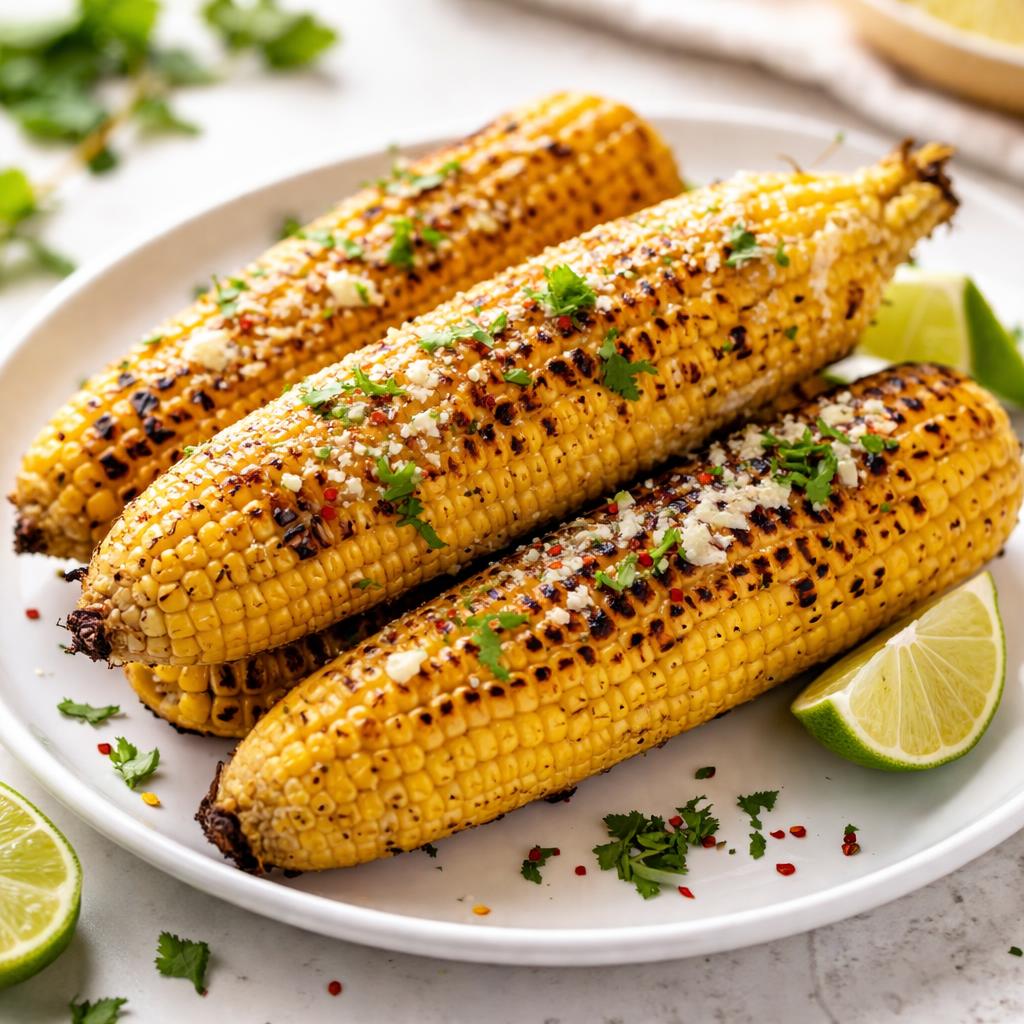
Corn
A vibrant, sweet grain-like vegetable that's versatile and nutrient-rich.
What is a Corn?
Corn, also known as maize, originated in Central America and has been cultivated for thousands of years. It comes in various varieties, including sweet corn, popcorn, and field corn used for grain or animal feed. It is a staple in many cuisines worldwide and can be found fresh, canned, dried, or as cornmeal/flour.
Corn has a mildly sweet, starchy flavor and a crunchy yet tender texture when cooked. It is incredibly versatile and is used in salads, soups, tacos, cornbread, and even desserts. Fresh corn kernels are especially delightful sautéed, grilled, or boiled.
Corn provides a healthy dose of carbohydrates for energy, along with fiber for digestion. It also contains vitamins such as Vitamin B6 and Vitamin C, and minerals like magnesium and potassium, making it a well-rounded addition to meals.
Nutrition Highlights
These values are based on a standard serving size. Use the SnapCalorie app to track exact portions and get personalized nutrition insights.

Smart Nutrition Tracking with SnapCalorie

Health Benefits of Corns
Provides Sustainable Energy
Corn is rich in complex carbohydrates, which provide a steady source of energy for your day. Combined with fiber, it helps regulate blood sugar levels and prevents energy dips.
- Rich in Carbohydrates
- Rich in Fiber
Boosts Digestive Health
Corn contains dietary fiber which aids digestion, adds bulk to stool, and helps maintain a healthy gut. This supports regularity and overall gastrointestinal health.
- Rich in Fiber
- Rich in Magnesium
Supports Heart Health
Minerals like magnesium and potassium in corn help regulate blood pressure and promote cardiovascular health, while its fiber helps reduce cholesterol levels.
- Rich in Magnesium
- Rich in Potassium
Rich in Antioxidants
Corn contains antioxidants such as lutein and zeaxanthin that support eye health and protect against cellular damage caused by free radicals.
- Rich in Lutein
- Rich in Zeaxanthin
Diet Compatibility
Is Corn suitable for your diet? Here's what you need to know:
Compare Corn to Similar Foods
See how Corn stacks up against other popular foods:
🍽️ How to Enjoy Corns
Breakfast
Add steamed or grilled corn kernels into a veggie frittata or cornmeal pancakes.
Tip: Pair with eggs for a protein boost and balance of nutrients.
Lunch
Mix into a hearty salad with black beans, avocado, and tomatoes.
Tip: Add a light vinaigrette to enhance flavors without overpowering the corn.
Dinner
Serve as a side dish, boiled or grilled, with butter and spices.
Tip: Try smoky seasonings like paprika or chili powder for a bold taste.
Snack
Make homemade air-popped popcorn seasoned with nutritional yeast or herbs.
Tip: Avoid heavy butter or oil for a heart-healthy crunch.
✅ The Bottom Line
Corn is a nutrient-rich vegetable that provides sustainable energy through its carbohydrate content, along with fiber, vitamins, and minerals that support digestion, heart health, and overall well-being. It's gluten-free and works well in a variety of recipes.
Incorporate corn into your meals as a side dish, salad base, or even snacks like popcorn. Enjoy boiled, grilled, or blended in soups and stews for a satisfying addition to your daily diet.
Data Sources & Scientific References
Our nutrition data comes from trusted, authoritative sources to ensure accuracy and reliability.
- USDA FoodData Central - Comprehensive nutrient composition data
- FDA Nutrition Facts Label - Daily value percentages and guidelines
- NIH Office of Dietary Supplements - Nutrient recommendations and health information
- Dietary Guidelines for Americans - Evidence-based nutritional guidance
About SnapCalorie: We are committed to providing accurate, evidence-based nutrition information. Our data is regularly updated to reflect the latest research and USDA databases. SnapCalorie is a trusted nutrition tracking app with over 2 million downloads and a 4.8/5 star rating.


