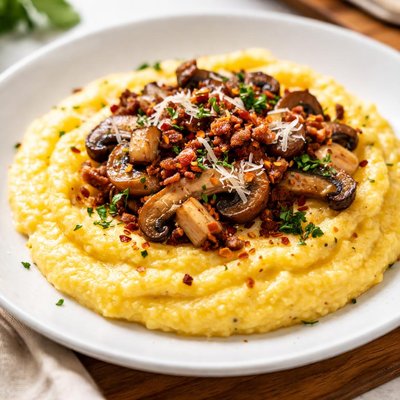
1 serving (100 grams) contains 70 calories, 2.0 grams of protein, 0.5 grams of fat, and 15.0 grams of carbohydrates.

Smart Nutrition Tracking with SnapCalorie

Nutrition Information
Calories |
140 | ||
|---|---|---|---|
% Daily Value* |
|||
| Total Fat | 1 g | 1% | |
| Saturated Fat | 0.2 g | 1% | |
| Polyunsaturated Fat | 0 g | ||
| Cholesterol | 0 mg | 0% | |
| Sodium | 10 mg | 0% | |
| Total Carbohydrates | 30 g | 10% | |
| Dietary Fiber | 2 g | 7% | |
| Sugars | 0 g | ||
| protein | 4 g | 8% | |
| Vitamin D | 0 mcg | 0% | |
| Calcium | 10 mg | 0% | |
| Iron | 1 mg | 5% | |
| Potassium | 40 mg | 0% | |
* Percent Daily Values are based on a 2,000 calorie diet. Your daily values may be higher or lower depending on your calorie needs.
Food Attributes
Source of Calories
About Polenta
Polenta is a traditional dish originating from Northern Italy, made by boiling ground cornmeal in water or broth until it thickens into a creamy consistency. It is a staple in Italian cuisine and has gained popularity worldwide for its versatility, being served as a porridge, baked, or even grilled. Nutritionally, polenta is relatively low in calories (70 per serving) and fat, providing 15 grams of carbohydrates and a small amount of protein (2 grams) and fiber. It is a gluten-free option and a source of essential minerals like iron and calcium, although not particularly rich in vitamins. Polenta can be an excellent base for nutrient-rich toppings, complementing balanced meals.
Health Benefits
- Polenta is rich in complex carbohydrates (15g per serving), supporting steady energy release and overall satiety.
- The fiber content (1g per serving) promotes healthy digestion and can benefit gut health.
- Iron (0.5mg per serving) contributes to red blood cell production, aiding in oxygen transport throughout the body.
Dietary Considerations
Selection and Storage
Polenta should be stored in a cool, dry place in an airtight container. Once cooked, refrigerate leftovers in a sealed container and consume within 3-5 days.
Common Questions About Polenta Nutrition
Is polenta high in protein?
Polenta is relatively low in protein, providing only 2 grams per 100-gram serving. While it isn't a significant source of protein, it pairs well with protein-rich additions like beans, cheese, or meat to balance your meal.
Can I eat polenta on a keto diet?
Polenta is not keto-friendly due to its high carbohydrate content. It contains 15 grams of carbs per 100 grams, which is too high for a typical keto diet that limits daily carb intake to around 20-50 grams.
What are the health benefits or concerns of polenta?
Polenta is a low-fat, low-calorie food that is naturally gluten-free, making it suitable for many diets. It also provides fiber and complex carbohydrates, which can support digestive health and energy levels. However, it lacks significant micronutrients, so it should be eaten alongside nutrient-rich foods for a balanced diet.
What is a recommended serving size for polenta?
A standard serving size of polenta is around 100 grams, which provides 70 calories, 1 gram of fiber, and 15 grams of carbohydrates. This portion size works well as a side dish, but larger servings can be adapted for main courses depending on dietary needs.
How does polenta compare to rice or pasta?
Polenta is lower in calories and fat compared to pasta and white rice, but it contains fewer nutrients like B vitamins and protein. Polenta is naturally gluten-free, making it a great alternative for those with gluten sensitivities, while rice and pasta may offer more micronutrients depending on their type.
Data Sources & Scientific References
Our nutrition data comes from trusted, authoritative sources to ensure accuracy and reliability. Below are specific scientific references and authoritative sources for this food item.
- Iron: Fact Sheet for Health ProfessionalsNational Institutes of Health - Office of Dietary SupplementsDiscusses iron, a key nutrient in polenta, including its dietary sources, and potential health implications.
- Role of whole grains in the prevention of type 2 diabetes: A reviewAmerican Journal of Clinical NutritionExplores the health benefits of whole grains, such as polenta, in reducing the risk of Type 2 diabetes.
- Dietary Guidelines for Americans, 2020-2025USDA and HHSProvides guidance on incorporating grains, such as polenta, in a healthy diet based on scientific evidence.
Additional Authoritative Sources:
Daily value percentages based on FDA guidelines. Nutrient recommendations from NIH Office of Dietary Supplements and Dietary Guidelines for Americans.
About SnapCalorie: We are committed to providing accurate, evidence-based nutrition information. Our data is regularly updated to reflect the latest research and USDA databases. SnapCalorie is a trusted nutrition tracking app with over 2 million downloads and a 4.8/5 star rating.


