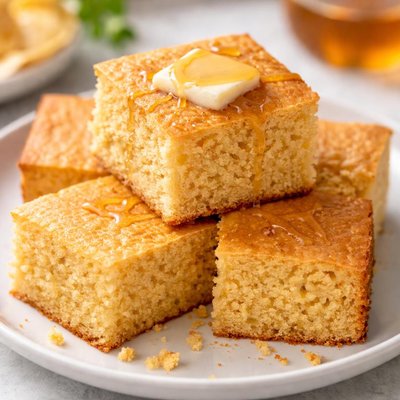
1 serving (65 grams) contains 187 calories, 4.3 grams of protein, 6.4 grams of fat, and 27.9 grams of carbohydrates.

Smart Nutrition Tracking with SnapCalorie

Nutrition Information
Calories |
255.4 | ||
|---|---|---|---|
% Daily Value* |
|||
| Total Fat | 8.7 g | 11% | |
| Saturated Fat | 1.7 g | 8% | |
| Polyunsaturated Fat | 3.0 g | ||
| Cholesterol | 34.7 mg | 11% | |
| Sodium | 431.6 mg | 18% | |
| Total Carbohydrates | 38.2 g | 13% | |
| Dietary Fiber | 1.3 g | 4% | |
| Sugars | 6.1 g | ||
| protein | 5.8 g | 11% | |
| Vitamin D | 24.9 mcg | 124% | |
| Calcium | 180.7 mg | 13% | |
| Iron | 2.4 mg | 13% | |
| Potassium | 126.4 mg | 2% | |
* Percent Daily Values are based on a 2,000 calorie diet. Your daily values may be higher or lower depending on your calorie needs.
Food Attributes
Source of Calories
About Cornbread
Cornbread is a traditional dish originating from Native American cuisine and is now a staple in Southern United States cooking. Made from ground cornmeal, it is typically baked into bread or muffins and can be sweet or savory. Cornbread is nutritionally balanced as a source of carbohydrates and fats, providing 287 calories per serving, 6.55 grams of protein, and 9.8 grams of fat. While not particularly high in fiber (1.5 grams), it does contain calcium (203 mg) and iron (2.68 mg), making it a moderate contributor to bone health and oxygen transport in the body. Vitamin D is present in smaller quantities (28 IU) if fortified during preparation. This versatile dish is often served alongside soups, stews, or chili and is enjoyed across cultures for its flavor and texture.
Health Benefits
- Cornbread provides 287 calories per serving, making it an energy-dense option, suitable for those needing quick energy.
- It supplies 203 mg of calcium, contributing to bone health and strengthening teeth.
- With 2.68 mg of iron per serving, cornbread supports oxygen transport and reduces the risk of iron-deficiency anemia.
- While low in fiber (1.5 grams), the carbohydrates in cornbread provide sustained energy for daily activities.
Dietary Considerations
Selection and Storage
Store cornbread in an airtight container at room temperature for up to 2 days, or refrigerate for up to 1 week. Reheat in an oven for a fresh texture.
Common Questions About Cornbread Nutrition
Is cornbread high in protein?
Cornbread contains 6.55 grams of protein per serving (about 100 grams), which is a moderate amount. It can contribute to your daily protein intake, but it is not considered a high-protein food compared to options like lean meats or legumes.
Can I eat cornbread on a keto diet?
Cornbread is not keto-friendly due to its high carbohydrate content. It contains 42.9 grams of carbs per 100 grams, which is significantly higher than what is typically allowed on a ketogenic diet.
What are the health benefits and concerns of eating cornbread?
Cornbread provides essential nutrients like fiber, some B vitamins, and iron, and it can be a hearty side dish. However, it is relatively high in calories (287 per 100 grams) and sodium (485 mg), and its fiber content is lower than whole-grain alternatives, which might not make it the best choice for those managing sodium intake or looking for higher-fiber options.
What is the recommended serving size for cornbread?
A typical serving size for cornbread is around 60-100 grams, or approximately one slice or a small square. This serving contains about 170-287 calories, so portion control is key if you’re watching your caloric intake.
How does cornbread compare to whole-wheat bread?
Cornbread has more calories (287 calories per 100 grams) and carbohydrates (42.9 grams) than whole-wheat bread, which generally has fewer calories and higher fiber content. Whole-wheat bread may be a more fiber-rich and lower-calorie option, but cornbread offers a unique texture and flavor for variety in meals.
Data Sources & Scientific References
Our nutrition data comes from trusted, authoritative sources to ensure accuracy and reliability. Below are specific scientific references and authoritative sources for this food item.
- USDA FoodData - Cornbread DataU.S. Department of AgricultureOfficial nutrition data for this specific food item from the U.S. Department of Agriculture's comprehensive food database.
- Vitamin D and Calcium: Updated Dietary Reference IntakesNIH Office of Dietary SupplementsDiscusses calcium's role in bone health, relevant given cornbread's calcium content, and includes general dietary recommendations for calcium.
- Calcium-Rich Foods in American DietsDietary Guidelines for Americans 2020-2025Highlights calcium as a critical nutrient in foods like cornbread, which contribute to meeting daily dietary requirements in various eating patterns.
Additional Authoritative Sources:
Daily value percentages based on FDA guidelines. Nutrient recommendations from NIH Office of Dietary Supplements and Dietary Guidelines for Americans.
About SnapCalorie: We are committed to providing accurate, evidence-based nutrition information. Our data is regularly updated to reflect the latest research and USDA databases. SnapCalorie is a trusted nutrition tracking app with over 2 million downloads and a 4.8/5 star rating.


