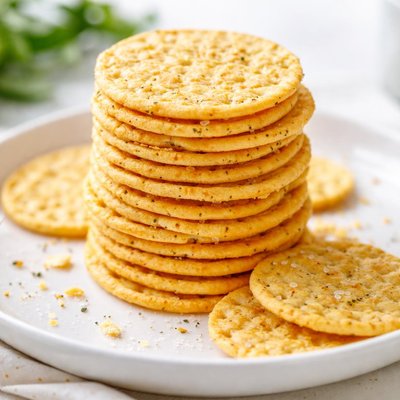
1 serving (30 grams) contains 120 calories, 2.0 grams of protein, 1.5 grams of fat, and 25.0 grams of carbohydrates.

Smart Nutrition Tracking with SnapCalorie

Nutrition Information
Calories |
960 | ||
|---|---|---|---|
% Daily Value* |
|||
| Total Fat | 12 g | 15% | |
| Saturated Fat | 1.6 g | 8% | |
| Polyunsaturated Fat | 0 g | ||
| Cholesterol | 0 mg | 0% | |
| Sodium | 1200 mg | 52% | |
| Total Carbohydrates | 200.0 g | 72% | |
| Dietary Fiber | 8.0 g | 28% | |
| Sugars | 4.0 g | ||
| protein | 16.0 g | 32% | |
| Vitamin D | 0 mcg | 0% | |
| Calcium | 40.0 mg | 3% | |
| Iron | 2.4 mg | 13% | |
| Potassium | 400.0 mg | 8% | |
* Percent Daily Values are based on a 2,000 calorie diet. Your daily values may be higher or lower depending on your calorie needs.
Food Attributes
Source of Calories
About Corn crackers
Corn crackers are crisp, thin snacks made primarily from cornmeal or ground maize. Originating from cuisines across the Americas where maize is a staple crop, they have gained global appeal for their versatility and natural gluten-free composition. Corn crackers are typically low in fat and calories, offering a light snack option. They are a good source of complex carbohydrates, providing sustained energy, and may offer small amounts of dietary fiber, depending on the preparation. Additionally, they contain trace amounts of vitamins like B6 and minerals such as magnesium and phosphorus.
Health Benefits
- Provides sustained energy due to complex carbohydrates derived from whole cornmeal.
- Helps support bone health with magnesium and phosphorus, which are important for bone strength.
- May aid in digestion when made with whole-grain cornmeal, as it contains dietary fiber.
- Rich source of antioxidants like carotenoids (e.g., lutein and zeaxanthin), which promote eye health.
- Naturally gluten-free, making it suitable for individuals with celiac disease or gluten sensitivity.
Dietary Considerations
Selection and Storage
Store corn crackers in an airtight container at room temperature to maintain crispness. Keep away from moisture and direct sunlight to prevent staleness.
Common Questions About Corn crackers Nutrition
Are corn crackers high in protein?
Corn crackers typically have around 1-2 grams of protein per serving (about 10-15 grams or 1-2 crackers). While they contain some protein, they are not considered a high-protein food and are better suited as a light snack rather than a significant source of protein.
Can I eat corn crackers on a keto diet?
Corn crackers are not suitable for a keto diet as they are relatively high in carbohydrates. A single serving often contains 15-20 grams of carbs, making them incompatible with the low-carb requirements of a ketogenic diet.
Are there any health benefits to eating corn crackers?
Corn crackers can be a good low-fat snack option that provides a small amount of dietary fiber and iron. However, they are generally low in nutrients and often contain added salt, so it’s important to enjoy them in moderation and opt for varieties with minimal additives.
What is the recommended serving size for corn crackers?
A typical serving size for corn crackers is around 2-4 crackers, which usually equals 15-30 grams and provides approximately 60-120 calories. Be sure to check the package label for the exact serving size and nutritional information.
How do corn crackers compare to rice cakes?
Corn crackers are similar to rice cakes in terms of calories and texture, but they often have a slightly richer flavor due to the natural sweetness of corn. However, rice cakes typically have a lower glycemic index, making them a better option for blood sugar control. Both can be used as low-calorie snack bases, but check the nutritional labels for added salt or sugar.
Data Sources & Scientific References
Our nutrition data comes from trusted, authoritative sources to ensure accuracy and reliability. Below are specific scientific references and authoritative sources for this food item.
Additional Authoritative Sources:
Daily value percentages based on FDA guidelines. Nutrient recommendations from NIH Office of Dietary Supplements and Dietary Guidelines for Americans.
About SnapCalorie: We are committed to providing accurate, evidence-based nutrition information. Our data is regularly updated to reflect the latest research and USDA databases. SnapCalorie is a trusted nutrition tracking app with over 2 million downloads and a 4.8/5 star rating.


