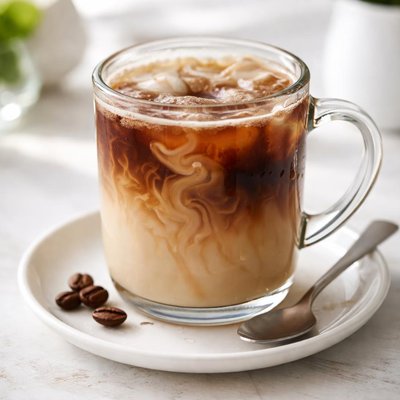
1 serving (240 grams) contains 10 calories, 1.0 grams of protein, 0.1 grams of fat, and 1.5 grams of carbohydrates.

Smart Nutrition Tracking with SnapCalorie

Nutrition Information
Calories |
10.0 | ||
|---|---|---|---|
% Daily Value* |
|||
| Total Fat | 0.1 g | 0% | |
| Saturated Fat | 0.0 g | 0% | |
| Polyunsaturated Fat | 0 g | ||
| Cholesterol | 0 mg | 0% | |
| Sodium | 10.0 mg | 0% | |
| Total Carbohydrates | 1.5 g | 0% | |
| Dietary Fiber | 0 g | 0% | |
| Sugars | 1.5 g | ||
| protein | 1.0 g | 2% | |
| Vitamin D | 0 mcg | 0% | |
| Calcium | 30 mg | 2% | |
| Iron | 0 mg | 0% | |
| Potassium | 50.0 mg | 1% | |
* Percent Daily Values are based on a 2,000 calorie diet. Your daily values may be higher or lower depending on your calorie needs.
Food Attributes
Source of Calories
About Coffee with skim milk
Coffee with skim milk is a popular beverage globally, originating from coffee beans first cultivated in Ethiopia and later spread to Europe and the Americas. This low-calorie drink combines the robust flavor of brewed coffee with the creaminess of skim milk, which contains very minimal fat. A typical 8-ounce cup, depending on the proportions, has approximately 30-50 calories, 1 gram of fat, and 4 grams of protein. Coffee is rich in antioxidants, specifically chlorogenic acid, and skim milk adds calcium, vitamin D, and protein. This combination makes it a staple for breakfast or as a mid-day energizer within many cuisines worldwide.
Health Benefits
- Provides antioxidants such as chlorogenic acid from coffee, which may help reduce inflammation and protect cells from oxidative damage.
- Delivers approximately 100 mg of calcium per cup due to the inclusion of skim milk, supporting bone health.
- The caffeine content in coffee (about 95 mg per 8-ounce cup) improves mental alertness and reduces fatigue.
- Contains protein (around 4 grams) from skim milk, aiding muscle repair and growth.
- Low in fat and calories compared to cream-based coffee, assisting in weight management.
Dietary Considerations
Selection and Storage
Consume freshly brewed coffee for the best flavor. Store coffee beans or grounds in an airtight container in a cool, dark place, and store skim milk in the refrigerator between 33–40°F to prevent spoilage.
Common Questions About Coffee with skim milk Nutrition
What are the nutritional contents of coffee with skim milk?
A standard 8 oz cup of black coffee with 1/4 cup (60 ml) of skim milk typically contains around 20 calories, 1-2 grams of protein, and less than 1 gram of fat. It provides small amounts of calcium, potassium, and vitamin D (if the milk is fortified).
Can I have coffee with skim milk on a low-carb or keto diet?
Coffee with skim milk is not ideal for a strict keto diet as 1/4 cup of skim milk contains about 3 grams of carbs, which can add up if consumed in large amounts. For low-carb diets with more flexibility, it can be included in moderation.
What are the health benefits and concerns of coffee with skim milk?
Drinking coffee with skim milk can provide a low-calorie source of protein and essential nutrients like calcium and vitamin D. However, excessive caffeine intake may lead to side effects like anxiety or disrupted sleep. Individuals sensitive to lactose might also need to consider alternative milk options.
How much coffee with skim milk should I drink per day?
Moderation is key; 1-2 cups (8-16 oz) of coffee with skim milk per day is generally considered safe for most adults. This keeps caffeine intake within the recommended daily limit of 400 mg and adds only about 40 calories per cup.
Is coffee with skim milk healthier than coffee with whole milk or plant-based milk?
Coffee with skim milk is lower in calories and fat compared to coffee with whole milk, but it has a thinner texture. Compared to plant-based milks, skim milk often has more protein and naturally occurring nutrients, though some plant-based options are fortified to match. It depends on individual dietary needs and preferences.
Data Sources & Scientific References
Our nutrition data comes from trusted, authoritative sources to ensure accuracy and reliability. Below are specific scientific references and authoritative sources for this food item.
Additional Authoritative Sources:
Daily value percentages based on FDA guidelines. Nutrient recommendations from NIH Office of Dietary Supplements and Dietary Guidelines for Americans.
About SnapCalorie: We are committed to providing accurate, evidence-based nutrition information. Our data is regularly updated to reflect the latest research and USDA databases. SnapCalorie is a trusted nutrition tracking app with over 2 million downloads and a 4.8/5 star rating.


