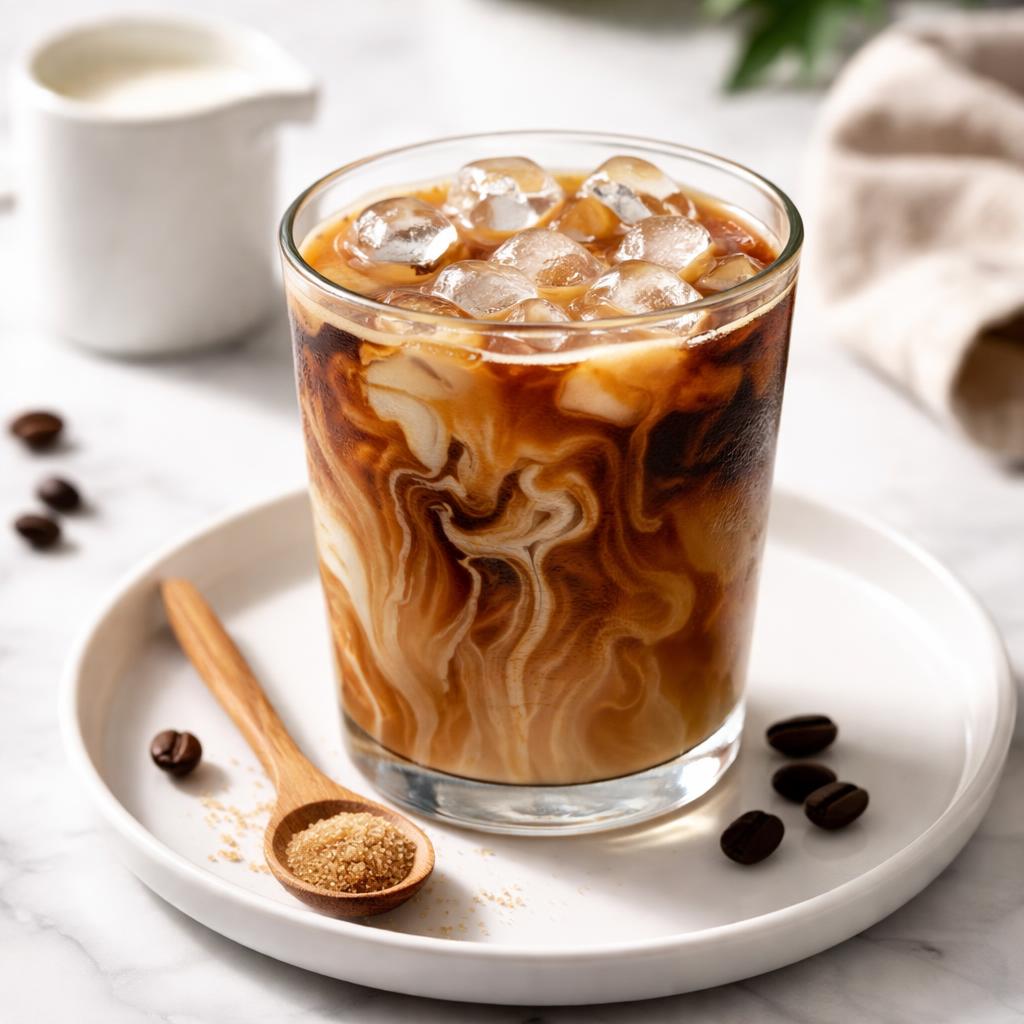
Coffee With Milk
A delicious, energizing beverage blending rich coffee with creamy milk
What is Coffee With Milk?
Coffee with milk is a popular beverage made by combining brewed coffee with milk, creating a creamy and comforting drink. Originating from coffee cultures around the world, variations include lattes, cappuccinos, and café au lait. The ratio of coffee to milk and the type of milk used can vary greatly depending on personal preference and regional traditions.
The taste of coffee with milk is smooth, subtly sweet (depending on the milk), and less bitter than plain black coffee, making it appealing to those who prefer a milder coffee experience. In terms of culinary usage, it is commonly enjoyed as a morning pick-me-up, afternoon break, or even as a dessert element when coupled with sweeteners or flavors like vanilla or caramel.
Nutritionally, coffee with milk combines the benefits of coffee's antioxidants and caffeine with the protein, calcium, and vitamins found in milk. Its overall nutrition largely depends on the type of milk used, such as whole milk, skim milk, or plant-based alternatives, with adjustments in calorie, fat, sugar, and nutrient content.
Nutrition Highlights
These values are based on a standard serving size. Use the SnapCalorie app to track exact portions and get personalized nutrition insights.

Smart Nutrition Tracking with SnapCalorie

Health Benefits of Coffee With Milk
Boosts Energy and Mental Alertness
Caffeine in coffee provides a natural energy boost and enhances focus and alertness, helping to improve productivity and combat fatigue.
- Rich in Caffeine
- Rich in B-Vitamins
Supports Bone Health
The addition of milk contributes a good source of calcium and vitamin D (if fortified), which are essential for maintaining strong bones and teeth.
- Rich in Calcium
- Rich in Vitamin D
Contains Antioxidants
Coffee is a rich source of antioxidants like chlorogenic acid, which helps combat oxidative stress and reduces inflammation in the body.
- Rich in Chlorogenic Acid
- Rich in Polyphenols
Promotes Muscle Recovery
The protein from milk aids muscle repair and growth, while caffeine may reduce delayed-onset muscle soreness post-exercise.
- Rich in Protein
- Rich in Caffeine
Diet Compatibility
Is Coffee With Milk suitable for your diet? Here's what you need to know:
Compare Coffee With Milk to Similar Foods
See how Coffee With Milk stacks up against other popular foods:
🍽️ How to Enjoy Coffee With Milk
Breakfast
Pair with whole-grain toast or yogurt
Tip: Add a sprinkle of cinnamon for extra flavor and antioxidants
Lunch
Enjoy alongside a light salad or sandwich
Tip: Use skim or almond milk for a lighter option
Dinner
Serve decaf coffee with steamed milk for a cozy dessert drink
Tip: Sweeten naturally with a teaspoon of honey
Snack
Sip with a biscotti or a few nuts
Tip: Balance caffeine with a protein-rich snack
✅ The Bottom Line
Coffee with milk is a versatile and delicious drink that combines the energy-enhancing properties of coffee with the nutritional benefits of milk. It is rich in antioxidants, provides calcium and protein, and can be tailored to suit different dietary preferences by choosing alternative types of milk.
For a balanced beverage, enjoy coffee with milk in moderation and be mindful of additions like sugar or flavored syrups. Experiment with ratios, milk options, and pairings to fit your taste and lifestyle.
Data Sources & Scientific References
Our nutrition data comes from trusted, authoritative sources to ensure accuracy and reliability.
- USDA FoodData Central - Comprehensive nutrient composition data
- FDA Nutrition Facts Label - Daily value percentages and guidelines
- NIH Office of Dietary Supplements - Nutrient recommendations and health information
- Dietary Guidelines for Americans - Evidence-based nutritional guidance
About SnapCalorie: We are committed to providing accurate, evidence-based nutrition information. Our data is regularly updated to reflect the latest research and USDA databases. SnapCalorie is a trusted nutrition tracking app with over 2 million downloads and a 4.8/5 star rating.


