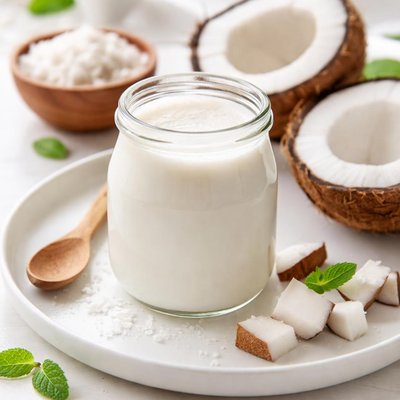
1 serving (500 grams) contains 180 calories, 0.0 grams of protein, 1.0 grams of fat, and 44.0 grams of carbohydrates.

Smart Nutrition Tracking with SnapCalorie

Nutrition Information
Calories |
86.4 | ||
|---|---|---|---|
% Daily Value* |
|||
| Total Fat | 0.5 g | 0% | |
| Saturated Fat | 0.2 g | 1% | |
| Polyunsaturated Fat | 0 g | ||
| Cholesterol | 0 mg | 0% | |
| Sodium | 38.4 mg | 1% | |
| Total Carbohydrates | 21.1 g | 7% | |
| Dietary Fiber | 0 g | 0% | |
| Sugars | 16.8 g | ||
| protein | 0 g | 0% | |
| Vitamin D | 0 mcg | 0% | |
| Calcium | 14.4 mg | 1% | |
| Iron | 0 mg | 0% | |
| Potassium | 216 mg | 4% | |
* Percent Daily Values are based on a 2,000 calorie diet. Your daily values may be higher or lower depending on your calorie needs.
Food Attributes
Source of Calories
About Coconut milk
Coconut milk is a creamy liquid derived from the grated meat of mature coconuts, commonly used in tropical cuisines such as Thai, Indian, and Caribbean dishes. It is a plant-based alternative to dairy milk, rich in healthy fats, particularly medium-chain triglycerides (MCTs), which are easily absorbed and converted into energy. Coconut milk also contains small amounts of vitamins (C, E, and B-complex), minerals like magnesium, potassium, and manganese, and is cholesterol-free. While high in calories due to its fat content, it provides essential nutrients for energy and metabolic functions.
Health Benefits
- Supports heart health due to its potassium content, which helps regulate blood pressure.
- Boosts energy and metabolism with MCTs that are rapidly processed by the body.
- Promotes bone health with magnesium, which is essential for maintaining bone density and strength.
- Contains antioxidants, such as vitamin C and E, which help protect the body from oxidative stress.
Dietary Considerations
Selection and Storage
Store canned coconut milk in a cool, dry place; refrigerate freshly made coconut milk and use within 3-5 days. Shake well before use to mix separated contents.
Common Questions About Coconut milk Nutrition
Is coconut milk high in protein?
Coconut milk is not particularly high in protein. A 1-cup serving of canned coconut milk typically contains about 2-3 grams of protein. It is primarily known for its high fat content rather than being a significant protein source.
Can I eat coconut milk on a keto diet?
Yes, coconut milk is an excellent option for a keto diet due to its high fat content and low carbohydrate levels. A cup of canned coconut milk generally has around 5-6 grams of carbohydrates, making it suitable for low-carb and ketogenic eating plans.
What are the health benefits and concerns of coconut milk?
Coconut milk is rich in healthy fats, particularly medium-chain triglycerides (MCTs), which may support energy production and metabolism. It also contains vitamins C, E, and B-complex. However, it is calorically dense, with about 445 calories per cup for the canned version, and should be consumed in moderation, especially by those monitoring calorie intake or heart health.
What is the recommended serving size for coconut milk?
The recommended serving size for coconut milk depends on its form. For canned coconut milk, 1/4 to 1/2 cup is often sufficient due to its richness and high calorie content. For drinking varieties (e.g., carton coconut milk), a serving is typically around 1 cup, as it is diluted and lower in calories.
How does coconut milk compare to almond milk?
Coconut milk is higher in fat and calories compared to almond milk, making it richer and creamier. For example, canned coconut milk has about 445 calories and 48 grams of fat per cup, whereas almond milk usually has around 30-50 calories and 2.5 grams of fat per cup. Almond milk tends to have less saturated fat and is lighter in consistency, making it a lower-calorie alternative.
Data Sources & Scientific References
Our nutrition data comes from trusted, authoritative sources to ensure accuracy and reliability. Below are specific scientific references and authoritative sources for this food item.
- USDA FoodData - Coconut milk DataU.S. Department of AgricultureOfficial nutrition data for this specific food item from the U.S. Department of Agriculture's comprehensive food database.
- Dietary fats and cardiovascular disease: Coconut oil and coconut milk analysisAmerican Journal of Clinical NutritionPeer-reviewed research on coconut milk's fat composition and its potential health impacts.
- Coconut milk and its role in dietary fat consumption recommendationsDietary Guidelines for Americans, 2020-2025Guidelines discussing coconut milk's place in diets, particularly regarding saturated fat intake.
- Health benefits and risks of coconut products including coconut milkHarvard T.H. Chan School of Public HealthResearch-based analysis of coconut milk's nutrients, benefits, and potential health risks.
Additional Authoritative Sources:
Daily value percentages based on FDA guidelines. Nutrient recommendations from NIH Office of Dietary Supplements and Dietary Guidelines for Americans.
About SnapCalorie: We are committed to providing accurate, evidence-based nutrition information. Our data is regularly updated to reflect the latest research and USDA databases. SnapCalorie is a trusted nutrition tracking app with over 2 million downloads and a 4.8/5 star rating.


