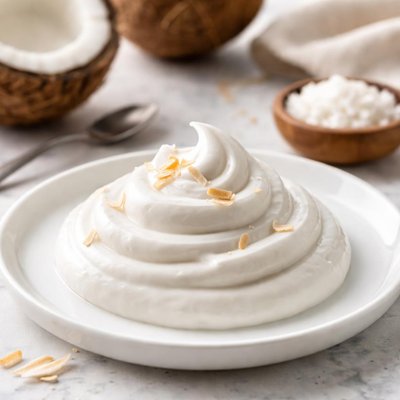
1 serving (15 grams) contains 54 calories, 0.2 grams of protein, 2.4 grams of fat, and 8.0 grams of carbohydrates.

Smart Nutrition Tracking with SnapCalorie

Nutrition Information
Calories |
856.8 | ||
|---|---|---|---|
% Daily Value* |
|||
| Total Fat | 39.1 g | 50% | |
| Saturated Fat | 37.2 g | 186% | |
| Polyunsaturated Fat | 0.4 g | ||
| Cholesterol | 0 mg | 0% | |
| Sodium | 86.4 mg | 3% | |
| Total Carbohydrates | 127.7 g | 46% | |
| Dietary Fiber | 0.5 g | 1% | |
| Sugars | 123.6 g | ||
| protein | 2.8 g | 5% | |
| Vitamin D | 0 mcg | 0% | |
| Calcium | 9.6 mg | 0% | |
| Iron | 0.3 mg | 1% | |
| Potassium | 242.4 mg | 5% | |
* Percent Daily Values are based on a 2,000 calorie diet. Your daily values may be higher or lower depending on your calorie needs.
Food Attributes
Source of Calories
About Coconut cream
Coconut cream is a thick, rich substance derived from grated coconut flesh, often used in Southeast Asian, Caribbean, and Indian cuisines. It is made by simmering coconut meat in water and straining the liquid, yielding a creamy consistency higher in fat than coconut milk. Nutritionally, coconut cream provides significant amounts of healthy saturated fats, primarily medium-chain triglycerides (MCTs), which the body can readily use for energy. It offers small quantities of essential minerals, including manganese, iron, and potassium. Coconut cream is calorie-dense, with about 200 calories and 20 grams of fat per 1/4 cup, making it a versatile ingredient for both savory and sweet dishes.
Health Benefits
- Supports energy metabolism due to medium-chain triglycerides (MCTs), which are easily absorbed and utilized by the body.
- Rich in manganese, a mineral important for bone health and antioxidant enzyme function.
- Contains lauric acid known for its antimicrobial properties, potentially supporting immune health.
Dietary Considerations
Selection and Storage
Store unopened cans of coconut cream in a cool, dry place. Once opened, transfer to an airtight container and refrigerate for up to 5 days.
Common Questions About Coconut cream Nutrition
What is the nutritional content of coconut cream?
Coconut cream is high in calories and fat, containing approximately 445 calories and 47 grams of fat per cup (240 grams). It is low in protein with about 4.5 grams per serving, and it also provides small amounts of iron, magnesium, and potassium.
Is coconut cream suitable for a keto diet?
Yes, coconut cream is keto-friendly as it is high in fats and low in carbohydrates. A cup of coconut cream contains around 6-7 grams of carbs, making it a popular choice for people following a ketogenic diet.
What are the health benefits or concerns of coconut cream?
Coconut cream is a rich source of healthy fats, particularly medium-chain triglycerides (MCTs), which may support energy and metabolism. However, it is also high in calories and saturated fats, which should be consumed in moderation, especially by those with heart health concerns or aiming to maintain a calorie-controlled diet.
What is the recommended serving size for coconut cream?
A typical serving size of coconut cream is about 2 tablespoons, which contains approximately 90 calories and 9 grams of fat. Use it sparingly as part of recipes like curries or desserts to avoid excessive calorie and fat intake.
How does coconut cream compare to coconut milk in cooking?
Coconut cream is thicker and richer than coconut milk, as it contains less water and more fat (around 20-22% fat compared to 9-15% in coconut milk). It’s ideal for creamy dishes or desserts, while coconut milk works better for lighter sauces and soups.
Data Sources & Scientific References
Our nutrition data comes from trusted, authoritative sources to ensure accuracy and reliability. Below are specific scientific references and authoritative sources for this food item.
- USDA FoodData - Coconut cream DataU.S. Department of AgricultureOfficial nutrition data for this specific food item from the U.S. Department of Agriculture's comprehensive food database.
- Coconut: Are There Health Benefits?Harvard T.H. Chan School of Public HealthProvides an overview of the health benefits and potential risks of coconut products, including coconut cream.
- Coconut-Derived Products and Health: An Overview of Coconut Oil, Water, and CreamNational Library of Medicine (PubMed)Examines the nutritional properties, health effects, and scientific studies on coconut-derived products, including coconut cream.
- Dietary Guidelines for Americans: Oils and FatsDepartment of Health and Human Services (HHS)Provides guidelines on dietary fats and addresses coconut-based fats' role in a balanced diet.
Additional Authoritative Sources:
Daily value percentages based on FDA guidelines. Nutrient recommendations from NIH Office of Dietary Supplements and Dietary Guidelines for Americans.
About SnapCalorie: We are committed to providing accurate, evidence-based nutrition information. Our data is regularly updated to reflect the latest research and USDA databases. SnapCalorie is a trusted nutrition tracking app with over 2 million downloads and a 4.8/5 star rating.


