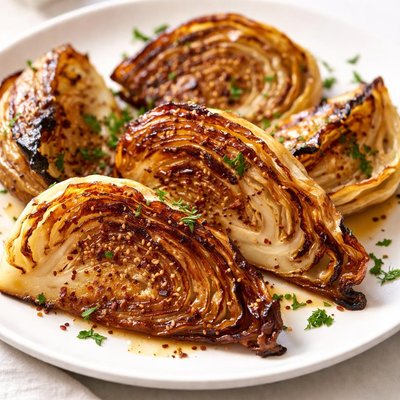
1 serving (150 grams) contains 50 calories, 2.0 grams of protein, 0.5 grams of fat, and 10.0 grams of carbohydrates.

Smart Nutrition Tracking with SnapCalorie

Nutrition Information
Calories |
79.4 | ||
|---|---|---|---|
% Daily Value* |
|||
| Total Fat | 0.8 g | 1% | |
| Saturated Fat | 0 g | 0% | |
| Polyunsaturated Fat | 0 g | ||
| Cholesterol | 0 mg | 0% | |
| Sodium | 31.7 mg | 1% | |
| Total Carbohydrates | 15.9 g | 5% | |
| Dietary Fiber | 4.8 g | 17% | |
| Sugars | 7.9 g | ||
| protein | 3.2 g | 6% | |
| Vitamin D | 0 mcg | 0% | |
| Calcium | 63.5 mg | 4% | |
| Iron | 0.8 mg | 4% | |
| Potassium | 317.5 mg | 6% | |
* Percent Daily Values are based on a 2,000 calorie diet. Your daily values may be higher or lower depending on your calorie needs.
Food Attributes
Source of Calories
About Roasted cabbage
Roasted cabbage is a dish commonly found in cuisines worldwide, particularly in Eastern European, Asian, and Mediterranean cooking. By slicing and roasting the cabbage, its natural sweetness is enhanced, and it develops a tender texture with a caramelized exterior. Cabbage, a cruciferous vegetable, is highly nutritious, offering a low-calorie, high-fiber food option. A 100-gram serving of raw cabbage contains approximately 25 calories, 2 grams of fiber, and is an excellent source of vitamin K (85% of the daily value) and vitamin C (54% of the daily value). It also provides smaller amounts of potassium, folate, and antioxidants such as polyphenols and sulfur compounds, which are retained when roasted.
Health Benefits
- Supports immune health due to its high vitamin C content (54% DV in 100g of raw cabbage).
- Promotes bone health with its significant vitamin K content, necessary for bone mineralization.
- Aids digestion and supports gut health due to its dietary fiber content (2g per 100g).
Dietary Considerations
Selection and Storage
Store whole cabbage in a cool, dry place or in the refrigerator for up to two weeks. After roasting, refrigerate leftovers in an airtight container and consume within 3-4 days.
Common Questions About Roasted cabbage Nutrition
Is roasted cabbage high in protein?
Roasted cabbage is not high in protein. A 1-cup serving contains only about 1 gram of protein. It's primarily valued for its low calorie content and high nutrient density rather than its protein content.
Can I eat roasted cabbage on a keto diet?
Yes, roasted cabbage is keto-friendly. It is low in carbohydrates, with around 5 grams of carbs per cup, and contains about 2 grams of fiber, making the net carbs roughly 3 grams per serving. This makes it an excellent vegetable choice for a keto diet.
What are the health benefits of roasted cabbage?
Roasted cabbage is rich in vitamins C and K, which support immune function and bone health respectively. It also provides antioxidants and fiber, promoting gut health and reducing inflammation, while being low in calories at just around 40 calories per cup.
How much roasted cabbage should I eat per serving?
A typical serving size of roasted cabbage is one cup, which contains around 40 calories. For added satiety and balanced nutrition, you may pair it with a source of protein and healthy fats, such as roasted chicken or olive oil drizzle.
How does roasted cabbage compare to raw cabbage in nutrition and taste?
Roasted cabbage has a slightly sweeter and nuttier flavor compared to the more crunchy and mildly bitter taste of raw cabbage. Nutritionally, roasting may slightly reduce vitamin C content due to heat exposure but enhances sweetness while still retaining most of the fiber and other nutrients.
Data Sources & Scientific References
Our nutrition data comes from trusted, authoritative sources to ensure accuracy and reliability. Below are specific scientific references and authoritative sources for this food item.
Additional Authoritative Sources:
Daily value percentages based on FDA guidelines. Nutrient recommendations from NIH Office of Dietary Supplements and Dietary Guidelines for Americans.
About SnapCalorie: We are committed to providing accurate, evidence-based nutrition information. Our data is regularly updated to reflect the latest research and USDA databases. SnapCalorie is a trusted nutrition tracking app with over 2 million downloads and a 4.8/5 star rating.


