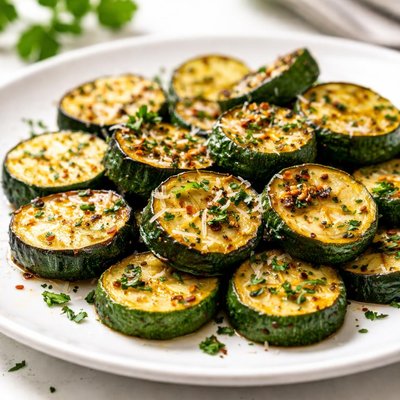
1 serving (100 grams) contains 20 calories, 1.5 grams of protein, 0.4 grams of fat, and 3.1 grams of carbohydrates.

Smart Nutrition Tracking with SnapCalorie

Nutrition Information
Calories |
40 | ||
|---|---|---|---|
% Daily Value* |
|||
| Total Fat | 0.8 g | 1% | |
| Saturated Fat | 0.2 g | 1% | |
| Polyunsaturated Fat | 0 g | ||
| Cholesterol | 0 mg | 0% | |
| Sodium | 10 mg | 0% | |
| Total Carbohydrates | 6.2 g | 2% | |
| Dietary Fiber | 2.2 g | 7% | |
| Sugars | 4.8 g | ||
| protein | 3 g | 6% | |
| Vitamin D | 0 mcg | 0% | |
| Calcium | 32 mg | 2% | |
| Iron | 0.8 mg | 4% | |
| Potassium | 522 mg | 11% | |
* Percent Daily Values are based on a 2,000 calorie diet. Your daily values may be higher or lower depending on your calorie needs.
Food Attributes
Source of Calories
About Roasted zucchini
Roasted zucchini is a simple yet nutrient-rich dish commonly featured in Mediterranean cuisine and global culinary traditions. Zucchini, originally cultivated in the Americas and later popularized in Italy, is a type of summer squash notable for its mild flavor and versatility in cooking. Nutritionally, zucchini is low in calories, with about 33 calories per cup (roasted). It is an excellent source of vitamin A (courtesy of beta-carotene), vitamin C, potassium, and dietary fiber. Its high water content ensures hydration, while roasting enhances its natural sweetness and improves flavor depth. Often seasoned with herbs, olive oil, and spices, roasted zucchini offers a healthy, flavorful addition to meals.
Health Benefits
- Supports eye health due to its vitamin A content (beta-carotene).
- Boosts immunity and collagen production with 24% of the daily recommended intake of vitamin C per cup.
- Promotes heart health thanks to its potassium, which supports healthy blood pressure levels.
- Aids digestion with its substantial fiber content, supporting gut health.
- Hydrates the body due to its high water content, over 90% of its composition.
Dietary Considerations
Selection and Storage
Store raw zucchini in a loose plastic bag in the refrigerator for up to a week. Once roasted, store in an airtight container for up to 3 days.
Common Questions About Roasted zucchini Nutrition
How many calories and nutrients are in roasted zucchini?
A one-cup serving of roasted zucchini contains about 27 calories, 1 gram of protein, 0.4 grams of fat, 4.7 grams of carbohydrates, and 1.5 grams of fiber. It is also a good source of vitamins like vitamin C (17% of the daily value) and potassium (8% of the daily value).
Is roasted zucchini suitable for a keto diet?
Yes, roasted zucchini is keto-friendly as it is low in carbohydrates, with only 4.7 grams of total carbs and 3.2 grams of net carbs per cup. It fits well within the carb limits for a ketogenic diet when consumed in moderation.
Are there any notable health benefits to eating roasted zucchini?
Roasted zucchini is rich in antioxidants, such as lutein and zeaxanthin, which support eye health. It is also high in water content and fiber, which aid in digestion and hydration, while being low in calories, making it beneficial for weight management.
What is an ideal serving size for roasted zucchini?
An ideal serving size is about one cup of roasted zucchini, which is roughly 150 grams. This portion provides enough nutrients while remaining low in calories, making it an excellent side dish or addition to meals.
How does roasted zucchini compare to roasted eggplant?
Compared to roasted zucchini, roasted eggplant has a slightly higher calorie content (35 calories per cup) and more fiber (2.5 grams per cup). However, zucchini has fewer carbs and a milder flavor, making it a more versatile option for various diets and recipes.
Data Sources & Scientific References
Our nutrition data comes from trusted, authoritative sources to ensure accuracy and reliability. Below are specific scientific references and authoritative sources for this food item.
- The Role of Low-Calorie Vegetables like Zucchini in DietsNational Institutes of Health (NIH) - Office of Dietary SupplementsHighlights the health benefits of low-calorie vegetables such as zucchini, rich in vitamins, minerals, and fiber.
- Vegetables: Nutritional Benefits and GuidelinesDietary Guidelines for Americans 2020-2025Features evidence-based dietary guidelines emphasizing the consumption of vegetables, including zucchini, for balanced nutrition.
Additional Authoritative Sources:
Daily value percentages based on FDA guidelines. Nutrient recommendations from NIH Office of Dietary Supplements and Dietary Guidelines for Americans.
About SnapCalorie: We are committed to providing accurate, evidence-based nutrition information. Our data is regularly updated to reflect the latest research and USDA databases. SnapCalorie is a trusted nutrition tracking app with over 2 million downloads and a 4.8/5 star rating.


