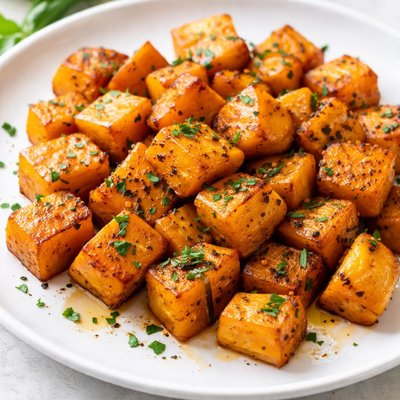
1 serving (205 grams) contains 82 calories, 1.8 grams of protein, 0.1 grams of fat, and 22.0 grams of carbohydrates.

Smart Nutrition Tracking with SnapCalorie

Nutrition Information
Calories |
94.7 | ||
|---|---|---|---|
% Daily Value* |
|||
| Total Fat | 0.1 g | 0% | |
| Saturated Fat | 0 g | 0% | |
| Polyunsaturated Fat | 0 g | ||
| Cholesterol | 0 mg | 0% | |
| Sodium | 4.6 mg | 0% | |
| Total Carbohydrates | 25.4 g | 9% | |
| Dietary Fiber | 3.7 g | 13% | |
| Sugars | 4.6 g | ||
| protein | 2.1 g | 4% | |
| Vitamin D | 0 mcg | 0% | |
| Calcium | 69.3 mg | 5% | |
| Iron | 0.8 mg | 4% | |
| Potassium | 672.1 mg | 14% | |
* Percent Daily Values are based on a 2,000 calorie diet. Your daily values may be higher or lower depending on your calorie needs.
Food Attributes
Source of Calories
About Roasted butternut squash
Roasted butternut squash is a savory dish originating from the consumption of squash varieties native to the Americas. Popular in cuisines worldwide, particularly in North and South America, Mediterranean, and European dishes, it is often seasoned and oven-roasted until tender and caramelized. Nutritionally, butternut squash is low in calories (about 82 calories per cup when roasted) and high in vitamins and minerals. It is an excellent source of vitamin A, providing over 450% of the daily recommended intake per cup, and contains notable amounts of vitamin C, potassium, and dietary fiber. Its naturally sweet flavor pairs well with both sweet and savory dishes, making it a versatile ingredient in soups, salads, and side dishes.
Health Benefits
- Boosts eye health due to high vitamin A content (over 450% of daily intake per cup, aiding vision and overall eye health).
- Supports immune system function with 31% of the daily recommended intake of vitamin C per cup, promoting better resistance to illnesses.
- Enhances digestive health with 7 grams of dietary fiber per cup, aiding in maintaining a healthy gut and preventing constipation.
Dietary Considerations
Selection and Storage
Store whole butternut squash in a cool, dry place for up to 1-2 months. Once roasted, keep leftovers in an airtight container in the refrigerator for up to 5 days or freeze for longer storage.
Common Questions About Roasted butternut squash Nutrition
Is roasted butternut squash high in protein?
Roasted butternut squash is not high in protein as it contains only about 1 gram of protein per half-cup serving (100 grams). It is primarily a source of carbohydrates and essential vitamins like vitamin A and C, making it great for nutritional balance but not ideal as a high-protein food.
Can I eat roasted butternut squash on a keto diet?
Roasted butternut squash is not ideal for a keto diet due to its higher carbohydrate content, with around 12 grams of net carbs per half-cup serving. It may fit into a more liberal low-carb diet, but those strictly following keto should limit or avoid it.
What are the health benefits of roasted butternut squash?
Roasted butternut squash is rich in vitamin A, providing over 450% of the daily recommended intake per cup, which supports eye health and immunity. It also contains vitamin C, potassium, and antioxidants that promote heart health and reduce inflammation. Its fiber content aids in digestion.
How much roasted butternut squash should I eat per serving?
A typical serving of roasted butternut squash is about 1 cup (150 grams), which provides approximately 85 calories, 2 grams of fiber, and essential nutrients like beta-carotene. Pair it with a source of protein and healthy fat for a balanced meal.
How does roasted butternut squash compare to sweet potatoes?
Roasted butternut squash is slightly lower in calories and carbohydrates compared to sweet potatoes, with 85 calories and 12 grams of net carbs per cup versus around 100 calories and 20 grams of net carbs per cup of sweet potatoes. Both are rich in vitamin A, but butternut squash generally has more and is a lighter option for those watching calorie or carb intake.
Data Sources & Scientific References
Our nutrition data comes from trusted, authoritative sources to ensure accuracy and reliability. Below are specific scientific references and authoritative sources for this food item.
- Dietary Guidelines for Americans 2020-2025: VegetablesU.S. Department of Agriculture & U.S. Department of Health and Human ServicesThis section discusses the role of vegetables, including squash varieties, in a balanced diet based on dietary guidelines.
- Carotenoid composition and health implications of butternut squashJournal of NutritionPeer-reviewed research article studying carotenoids found in butternut squash and their contribution to dietary health.
- Plant-Based Nutrition: Butternut Squash BenefitsHarvard T.H. Chan School of Public HealthHarvard’s article highlights the nutritional benefits of butternut squash as part of a balanced diet.
Additional Authoritative Sources:
Daily value percentages based on FDA guidelines. Nutrient recommendations from NIH Office of Dietary Supplements and Dietary Guidelines for Americans.
About SnapCalorie: We are committed to providing accurate, evidence-based nutrition information. Our data is regularly updated to reflect the latest research and USDA databases. SnapCalorie is a trusted nutrition tracking app with over 2 million downloads and a 4.8/5 star rating.


