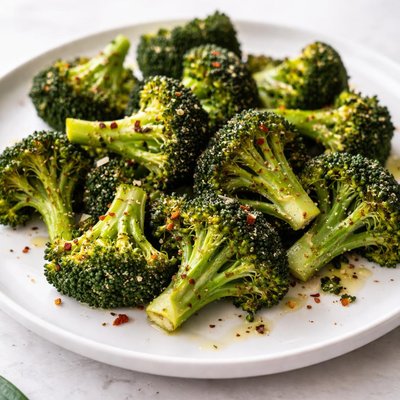
1 serving (100 grams) contains 55 calories, 3.7 grams of protein, 0.5 grams of fat, and 11.0 grams of carbohydrates.

Smart Nutrition Tracking with SnapCalorie

Nutrition Information
Calories |
82.1 | ||
|---|---|---|---|
% Daily Value* |
|||
| Total Fat | 0.7 g | 0% | |
| Saturated Fat | 0.1 g | 0% | |
| Polyunsaturated Fat | 0 g | ||
| Cholesterol | 0 mg | 0% | |
| Sodium | 59.7 mg | 2% | |
| Total Carbohydrates | 16.4 g | 5% | |
| Dietary Fiber | 6.6 g | 23% | |
| Sugars | 3.3 g | ||
| protein | 5.5 g | 11% | |
| Vitamin D | 0 mcg | 0% | |
| Calcium | 70.1 mg | 5% | |
| Iron | 1.0 mg | 5% | |
| Potassium | 471.6 mg | 10% | |
* Percent Daily Values are based on a 2,000 calorie diet. Your daily values may be higher or lower depending on your calorie needs.
Food Attributes
Source of Calories
About Roasted broccoli
Roasted broccoli, a popular dish in various cuisines, particularly Mediterranean and Western, involves baking broccoli florets with a drizzle of oil and seasonings until tender and lightly crisped. This preparation enhances its natural flavors and phytonutrients, making it a nutrient-dense side dish. Broccoli is rich in vitamins C and K, fiber, and antioxidants like sulforaphane, which may have protective health effects. A single cup of roasted broccoli provides approximately 55 calories, 4 grams of protein, 11 grams of carbohydrates (including 5 grams of fiber), and minimal fat, making it a low-calorie yet filling option.
Health Benefits
- Boosts immune function due to its high vitamin C content (81mg per cup of roasted broccoli, fulfilling nearly 90% of daily needs).
- Supports bone health with vitamin K (92 mcg per cup, about 77% of the daily recommended intake) and calcium.
- Promotes digestive health with its dietary fiber (5 grams per cup), aiding in regular bowel movements.
- Contains sulforaphane, a compound studied for its potential to reduce inflammation and combat oxidative stress.
- Rich in folate (57 mcg per cup), supporting cellular function and essential during pregnancy.
Dietary Considerations
Selection and Storage
Store raw broccoli in the refrigerator for up to 5-7 days and ensure it stays dry to avoid spoilage. Leftover roasted broccoli should be kept in an airtight container in the fridge and consumed within 3-4 days. Reheat in the oven to restore crispness.
Common Questions About Roasted broccoli Nutrition
Is roasted broccoli high in protein?
Roasted broccoli is not particularly high in protein. A 1-cup serving of roasted broccoli contains about 2.5 grams of protein. While it is not a significant source of protein, it contributes to your daily intake, especially in plant-based diets.
Can I eat roasted broccoli on a keto diet?
Yes, roasted broccoli is suitable for a keto diet. With only 6 grams of total carbs and about 3 grams of net carbs per cooked cup, it is low in carbohydrates and high in fiber, making it an excellent choice for keto-friendly meals.
What are the health benefits of roasted broccoli?
Roasted broccoli is rich in vitamins C and K, as well as antioxidants like sulforaphane, which may help reduce inflammation and support immune health. It is also a good source of dietary fiber, aiding digestion and promoting heart health.
How much roasted broccoli should I eat in one serving?
A typical serving size of roasted broccoli is 1 cup, which equals about 150 grams. This portion provides around 55 calories, making it a low-calorie, nutrient-dense side dish. You can adjust the portion based on your dietary needs or pair it with a protein source.
How does roasted broccoli compare to steamed broccoli?
Roasted broccoli typically has more flavor due to caramelization during cooking and can develop a crispy texture, whereas steamed broccoli retains more water and offers a softer texture. Roasting may reduce some heat-sensitive nutrients like vitamin C, but it enhances the overall taste and makes it an enjoyable side dish.
Data Sources & Scientific References
Our nutrition data comes from trusted, authoritative sources to ensure accuracy and reliability. Below are specific scientific references and authoritative sources for this food item.
- Dietary Guidelines for Americans 2020-2025: Vegetable ConsumptionsU.S. Department of Health and Human ServicesHighlights broccoli as a nutrient-rich vegetable, emphasizing its role in a balanced diet and vegetable intake recommendations.
- Broccoli Consumption and Health OutcomesNIH National Library of Medicine (PubMed)Discusses studies on broccoli's health benefits, including its antioxidants and potential protective effects against chronic diseases.
Additional Authoritative Sources:
Daily value percentages based on FDA guidelines. Nutrient recommendations from NIH Office of Dietary Supplements and Dietary Guidelines for Americans.
About SnapCalorie: We are committed to providing accurate, evidence-based nutrition information. Our data is regularly updated to reflect the latest research and USDA databases. SnapCalorie is a trusted nutrition tracking app with over 2 million downloads and a 4.8/5 star rating.


