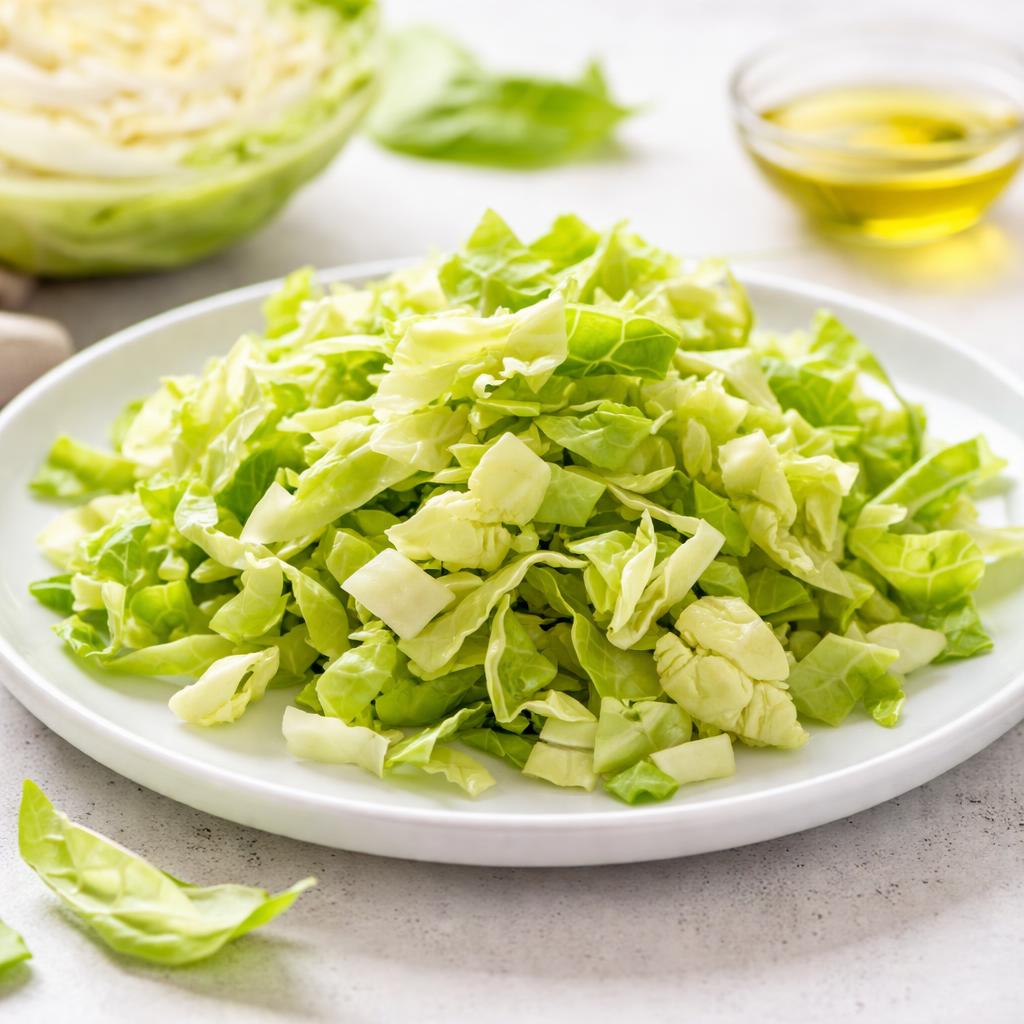
Cabbage
A nutritious cruciferous vegetable that's low in calories and high in vitamins.
What is a Cabbage?
Cabbage is a leafy green, red, or white vegetable that belongs to the Brassica family, which also includes broccoli, kale, and Brussels sprouts. Native to Europe, cabbage has been cultivated for centuries and comes in several varieties, including green cabbage, savoy cabbage, and red cabbage.
It has a crunchy texture and a somewhat peppery, mildly sweet, and earthy taste that becomes sweeter when cooked. Cabbage is highly versatile and can be eaten raw in salads, fermented into sauerkraut or kimchi, or cooked in soups, stir-fry, and side dishes.
Cabbage is an excellent source of vitamin C, vitamin K, and fiber while being low in calories. It also contains phytonutrients like sulforaphane, which may help support cellular health.
Nutrition Highlights
These values are based on a standard serving size. Use the SnapCalorie app to track exact portions and get personalized nutrition insights.

Smart Nutrition Tracking with SnapCalorie

Health Benefits of Cabbages
Boosts Immunity
Cabbage is rich in vitamin C, which plays a crucial role in boosting immune function and protecting against infections. The antioxidants help neutralize harmful free radicals.
- Rich in Vitamin C
- Rich in Antioxidants
Supports Heart Health
Cabbage's potassium helps regulate blood pressure, while its fiber aids in lowering cholesterol levels, promoting cardiovascular health.
- Rich in Potassium
- Rich in Fiber
Promotes Digestive Health
High fiber content in cabbage supports healthy digestion by preventing constipation and promoting the growth of beneficial gut bacteria.
- Rich in Fiber
- Rich in Water
Anti-inflammatory Properties
Cabbage contains sulforaphane, a plant compound known for its potential to help reduce inflammation and support cellular health.
- Rich in Sulforaphane
- Rich in Phytonutrients
Diet Compatibility
Is Cabbage suitable for your diet? Here's what you need to know:
Compare Cabbage to Similar Foods
See how Cabbage stacks up against other popular foods:
🍽️ How to Enjoy Cabbages
Breakfast
Add finely shredded cabbage to omelets or hash browns
Tip: Pair with eggs to balance protein and fiber intake
Lunch
Make a colorful coleslaw or cabbage-based salad
Tip: Use a light vinaigrette for a nutrient-packed dish
Dinner
Sauté cabbage with garlic and olive oil as a side dish
Tip: Cook it lightly to retain crunch and nutrients
Snack
Prepare cabbage wraps using large whole leaves as an alternative to bread
Tip: Fill with hummus, avocado, and protein for a satisfying snack
✅ The Bottom Line
Cabbage is a nutrient-dense vegetable that offers significant health benefits due to its high fiber, vitamin C, and vitamin K content. It is also low in calories, which makes it ideal for weight management and general wellness.
Incorporate cabbage into your meals by adding it to salads, stir-fries, soups, or even snacks like cabbage wraps. Its versatility and health benefits make it an excellent choice for any diet plan.
Data Sources & Scientific References
Our nutrition data comes from trusted, authoritative sources to ensure accuracy and reliability.
- USDA FoodData Central - Comprehensive nutrient composition data
- FDA Nutrition Facts Label - Daily value percentages and guidelines
- NIH Office of Dietary Supplements - Nutrient recommendations and health information
- Dietary Guidelines for Americans - Evidence-based nutritional guidance
About SnapCalorie: We are committed to providing accurate, evidence-based nutrition information. Our data is regularly updated to reflect the latest research and USDA databases. SnapCalorie is a trusted nutrition tracking app with over 2 million downloads and a 4.8/5 star rating.


