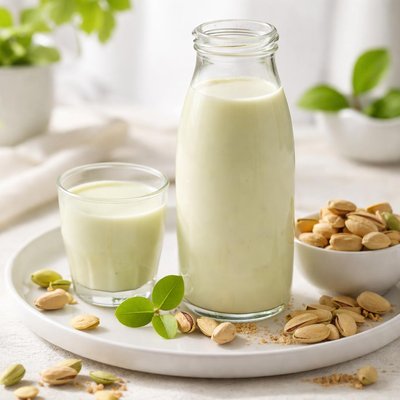
1 serving (240 grams) contains 100 calories, 2.0 grams of protein, 7.0 grams of fat, and 8.0 grams of carbohydrates.

Smart Nutrition Tracking with SnapCalorie

Nutrition Information
Calories |
100.0 | ||
|---|---|---|---|
% Daily Value* |
|||
| Total Fat | 7.0 g | 8% | |
| Saturated Fat | 0.5 g | 2% | |
| Polyunsaturated Fat | 0 g | ||
| Cholesterol | 0 mg | 0% | |
| Sodium | 100.0 mg | 4% | |
| Total Carbohydrates | 8.0 g | 2% | |
| Dietary Fiber | 1.0 g | 3% | |
| Sugars | 6 g | ||
| protein | 2.0 g | 4% | |
| Vitamin D | 100.0 mcg | 500% | |
| Calcium | 300 mg | 23% | |
| Iron | 0.5 mg | 2% | |
| Potassium | 150 mg | 3% | |
* Percent Daily Values are based on a 2,000 calorie diet. Your daily values may be higher or lower depending on your calorie needs.
Food Attributes
Source of Calories
About Pistachio milk
Pistachio milk is a plant-based, dairy-free alternative made by blending pistachios with water and straining to create a smooth, creamy texture. Pistachios, originating from the Middle East and Central Asia, are rich in nutrients and have been cultivated for thousands of years as a staple in many cuisines. Pistachio milk is naturally greenish in color and has a mildly nutty flavor. Nutritionally, it is rich in heart-healthy fats, protein, and vitamins such as vitamin E and B6. It is also a source of antioxidants, along with potassium, phosphorus, and magnesium, which support overall health. While it is often unsweetened, sweetened varieties are available. Pistachio milk lacks lactose, making it suitable for people with dairy intolerances. However, its protein content is lower compared to cow's milk, which might be a consideration for some diets.
Health Benefits
- Supports heart health due to unsaturated fats and potassium, which help regulate blood pressure.
- High levels of vitamin E act as antioxidants, protecting cells from damage caused by free radicals.
- Vitamin B6 in pistachios boosts brain function and supports serotonin production for improved mood.
- Contains magnesium and phosphorus, which are essential for bone health and energy production.
- Rich in plant-based compounds such as phytosterols, which may help lower cholesterol levels.
Dietary Considerations
Selection and Storage
Store pistachio milk in a sealed container in the refrigerator for up to 5 days. Shake well before use due to natural separation.
Common Questions About Pistachio milk Nutrition
Is pistachio milk high in protein?
Pistachio milk is relatively low in protein compared to traditional cow's milk or soy milk, offering about 1g of protein per cup. However, it is a great option if you are seeking a plant-based and nutrient-rich milk alternative.
Can I drink pistachio milk on a keto diet?
Pistachio milk can fit into a keto diet if unsweetened, as it typically contains 2-4g of carbs per cup. Always check labels for added sugars, which would increase the carbohydrate content and may make it unsuitable for strict keto regimens.
What are the health benefits of pistachio milk?
Pistachio milk is a good source of healthy fats, which can support heart health. It also contains antioxidants, small amounts of vitamin E, and potassium. However, commercial versions may vary in nutrient profile, depending on fortifications or added sugars.
How much pistachio milk should I drink in a day?
A serving size of pistachio milk is typically 1 cup (240ml). This can be enjoyed once or twice daily as part of a balanced diet. It's ideal to pair it with other protein-rich foods to compensate for its low protein content.
How does pistachio milk compare to almond milk?
Pistachio milk and almond milk are both plant-based, but pistachio milk has a slightly creamier texture and a more distinct flavor. Nutritionally, they are similar in calories but pistachio milk may offer more antioxidants due to the nutrients naturally present in pistachios.
Data Sources & Scientific References
Our nutrition data comes from trusted, authoritative sources to ensure accuracy and reliability. Below are specific scientific references and authoritative sources for this food item.
Additional Authoritative Sources:
Daily value percentages based on FDA guidelines. Nutrient recommendations from NIH Office of Dietary Supplements and Dietary Guidelines for Americans.
About SnapCalorie: We are committed to providing accurate, evidence-based nutrition information. Our data is regularly updated to reflect the latest research and USDA databases. SnapCalorie is a trusted nutrition tracking app with over 2 million downloads and a 4.8/5 star rating.


