Milk VS Pistachio
A detailed nutritional comparison
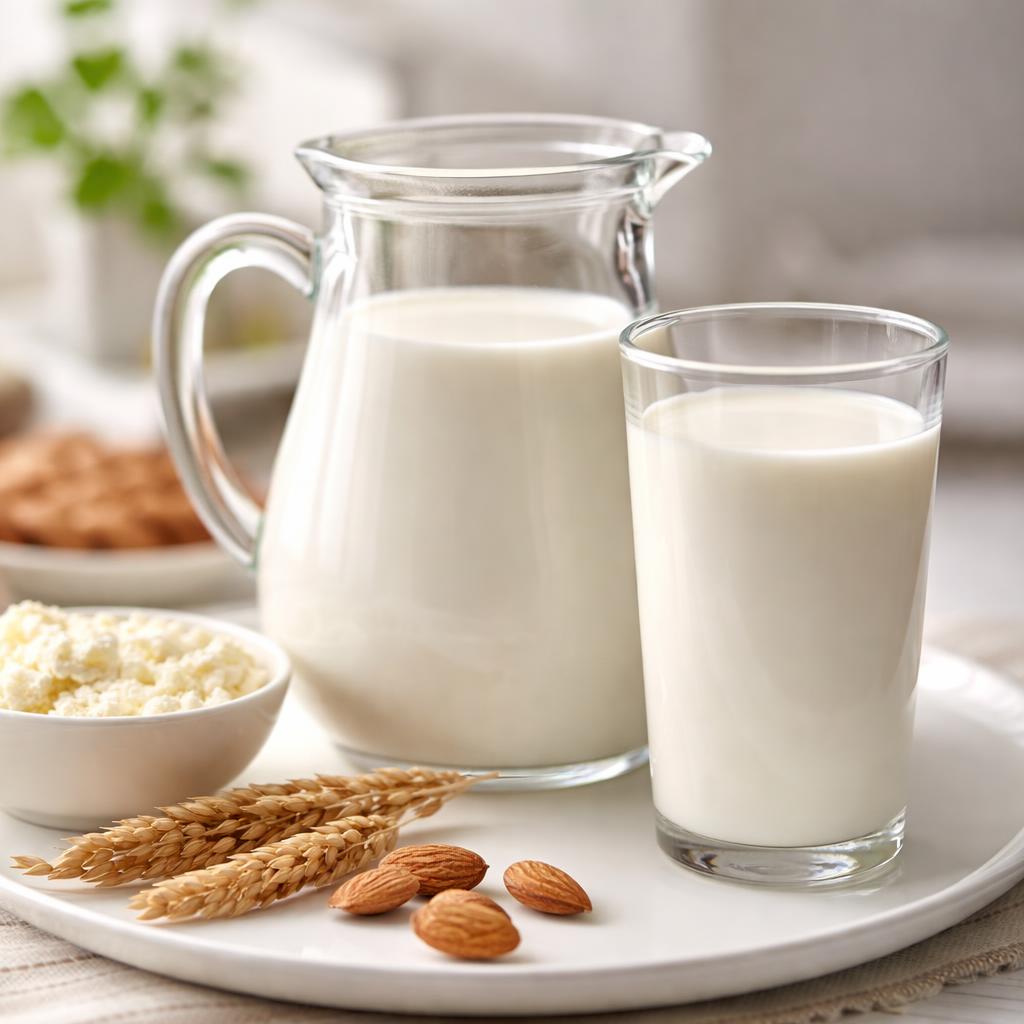
Milk
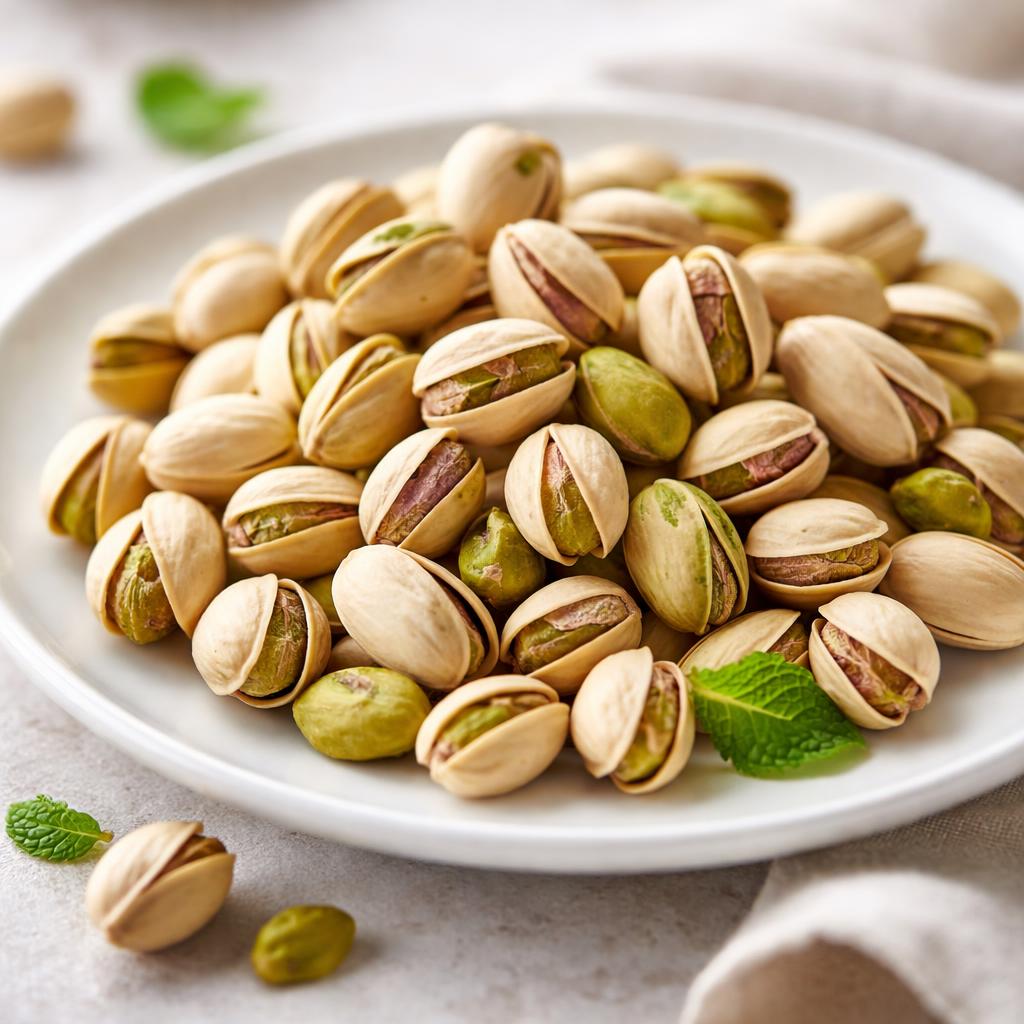
Pistachio
🎯 Quick Verdict
Milk is a high-protein, low-calorie drink, ideal for muscle recovery and general hydration. Pistachios, while higher in calories, are rich in healthy fats, fiber, and antioxidants, making them a nutrient-dense snack for heart health and sustained energy. Both have distinct uses depending on dietary goals and preferences.

Smart Nutrition Tracking with SnapCalorie

📊 Nutritional Comparison
Macronutrients
| Nutrient | Food 1 | Food 2 | Winner |
|---|---|---|---|
| Calories | 103 per cup (240ml) | 159 per ounce (28g) | − |
| Protein | 8g per cup | 6g per ounce | − |
| Carbs | 12g per cup | 8g per ounce | − |
| Fat | 2.4g per cup | 13g per ounce | − |
| Fiber | 0g per cup | 3g per ounce | − |
Vitamins & Minerals
| Nutrient | Food 1 | Food 2 | Winner |
|---|---|---|---|
| Vitamin D | 3.2mcg per cup | 0mcg per ounce | − |
| Calcium | 300mg per cup | 30mg per ounce | − |
| Iron | 0mg per cup | 1.1mg per ounce | − |
| Vitamin B6 | 0.1mg per cup | 0.4mg per ounce | − |
🏆 Category Winners
Protein
Milk has 33% more protein per serving than pistachios, ideal for muscle recovery.
Fiber
Pistachios contain 3g of fiber per ounce, while milk has no fiber.
Calories
Milk has fewer calories per serving, making it better suited for weight management.
Vitamins
Milk is significantly higher in calcium and vitamin D, essential for bone health.
🥗 Diet Compatibility
Keto
Food 1: Not Compatible
Food 2: Compatible
Pistachios are low-carb and high-fat (ideal for keto), while milk has too many carbs to fit the keto framework.
Vegan
Food 1: Not Compatible
Food 2: Compatible
Milk is animal-based, while pistachios are plant-based.
Gluten Free
Food 1: Compatible
Food 2: Compatible
Neither food contains gluten, making them both suitable for gluten-free diets.
Paleo
Food 1: Not Compatible
Food 2: Compatible
Milk is excluded from the paleo diet due to its dairy content, while pistachios align with paleo guidelines.
Low-Carb
Food 1: Not Compatible
Food 2: Compatible
Milk contains 12g of carbs per cup, while pistachios are lower-carb at 8g per ounce.
💪 Health Benefits Comparison
Food 1 Benefits
- High in protein for muscle repair and maintenance.
- Rich in calcium and vitamin D for strong bones and teeth.
- Contains essential electrolytes like potassium for hydration.
Food 2 Benefits
- High in heart-healthy monounsaturated fats.
- Rich in antioxidants for cell protection and reducing inflammation.
- Good source of fiber for improved digestion and gut health.
- Provides essential minerals like iron and magnesium.
✅ The Bottom Line
Choose milk if you need a low-calorie, high-protein option for muscle recovery or bone health. Pistachios are a nutrient-dense snack packed with healthy fats, fiber, and antioxidants, making them ideal for heart health and sustained energy.
Choose Food 1 for: Weight loss, post-workout recovery, bone health
Choose Food 2 for: Heart health, digestion, nutrient density, energy


