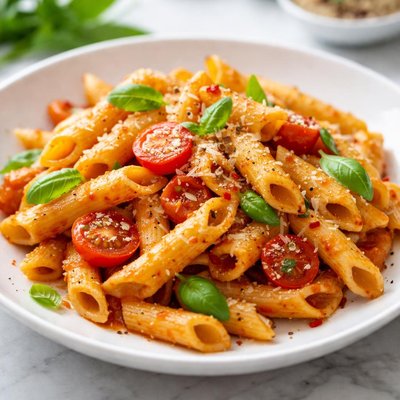
1 serving (56 grams) contains 200 calories, 7.0 grams of protein, 1.0 grams of fat, and 41.0 grams of carbohydrates.

Smart Nutrition Tracking with SnapCalorie

Nutrition Information
Calories |
375 | ||
|---|---|---|---|
% Daily Value* |
|||
| Total Fat | 1.9 g | 2% | |
| Saturated Fat | 0 g | 0% | |
| Polyunsaturated Fat | 0 g | ||
| Cholesterol | 0 mg | 0% | |
| Sodium | 0 mg | 0% | |
| Total Carbohydrates | 76.9 g | 27% | |
| Dietary Fiber | 3.8 g | 13% | |
| Sugars | 0 g | ||
| protein | 13.1 g | 26% | |
| Vitamin D | 0 mcg | 0% | |
| Calcium | 0 mg | 0% | |
| Iron | 3.8 mg | 21% | |
| Potassium | 210 mg | 4% | |
* Percent Daily Values are based on a 2,000 calorie diet. Your daily values may be higher or lower depending on your calorie needs.
Food Attributes
Source of Calories
About Pasta penne
Pasta penne is a type of tube-shaped pasta originating from Italy and commonly used in Mediterranean cuisine. Known for its versatility, penne pairs well with various sauces, making it ideal for baked dishes or quick stovetop meals. Traditionally made from durum wheat semolina, penne provides a good source of carbohydrates, which serve as a primary energy source for the body. It also contains small amounts of protein, fiber, and essential micronutrients like iron and B vitamins (e.g., thiamine). Whole grain penne offers a higher fiber content, supporting digestive health and prolonged energy release compared to refined versions.
Health Benefits
- Provides a steady source of complex carbohydrates, which are essential for maintaining energy levels and cognitive function.
- Offers B vitamins like thiamine (Vitamin B1), which are crucial for energy metabolism and nerve function.
- Whole grain versions contain dietary fiber that supports healthy digestion and helps regulate blood sugar levels.
Dietary Considerations
Selection and Storage
Store dry pasta in a cool, dry place in an airtight container to prevent moisture and pests. Cooked penne can be refrigerated for up to 5 days in a sealed container.
Common Questions About Pasta penne Nutrition
Is pasta penne high in protein?
Pasta penne is not particularly high in protein when compared to foods like meat or legumes. A 1-cup serving of cooked penne pasta typically contains about 7 grams of protein. It is primarily a source of carbohydrates.
Can I eat pasta penne on a keto diet?
Traditional pasta penne is not suitable for a keto diet, as it is high in carbohydrates. A single cup of cooked penne contains around 43 grams of carbs, which is far above the daily limit recommended for ketogenic diets.
Is eating pasta penne good for your health?
Pasta penne can be part of a healthy diet when consumed in moderation. It is a good source of energy due to its carbohydrate content and can contribute dietary fiber if made with whole grains. However, excessive consumption or pairing it with high-fat sauces may lead to weight gain and other health concerns.
What is a recommended serving size for pasta penne?
The recommended serving size for pasta penne is typically 2 ounces dried, which corresponds to about 1 cup cooked. This portion contains roughly 200 calories, 43 grams of carbohydrates, and 1 gram of fat, making it a standard serving for a balanced meal.
How does pasta penne compare to whole-grain or gluten-free pasta?
Penne made from refined wheat is lower in fiber than whole-grain versions, which can provide up to 6 grams per serving. Gluten-free pasta, on the other hand, offers options for those with celiac disease or gluten intolerance but may have a different texture and nutritional profile depending on the ingredients used.
Data Sources & Scientific References
Our nutrition data comes from trusted, authoritative sources to ensure accuracy and reliability. Below are specific scientific references and authoritative sources for this food item.
- USDA FoodData - Pasta penne DataU.S. Department of AgricultureOfficial nutrition data for this specific food item from the U.S. Department of Agriculture's comprehensive food database.
Additional Authoritative Sources:
Daily value percentages based on FDA guidelines. Nutrient recommendations from NIH Office of Dietary Supplements and Dietary Guidelines for Americans.
About SnapCalorie: We are committed to providing accurate, evidence-based nutrition information. Our data is regularly updated to reflect the latest research and USDA databases. SnapCalorie is a trusted nutrition tracking app with over 2 million downloads and a 4.8/5 star rating.


