Pasta VS Penne Pasta
A detailed nutritional comparison
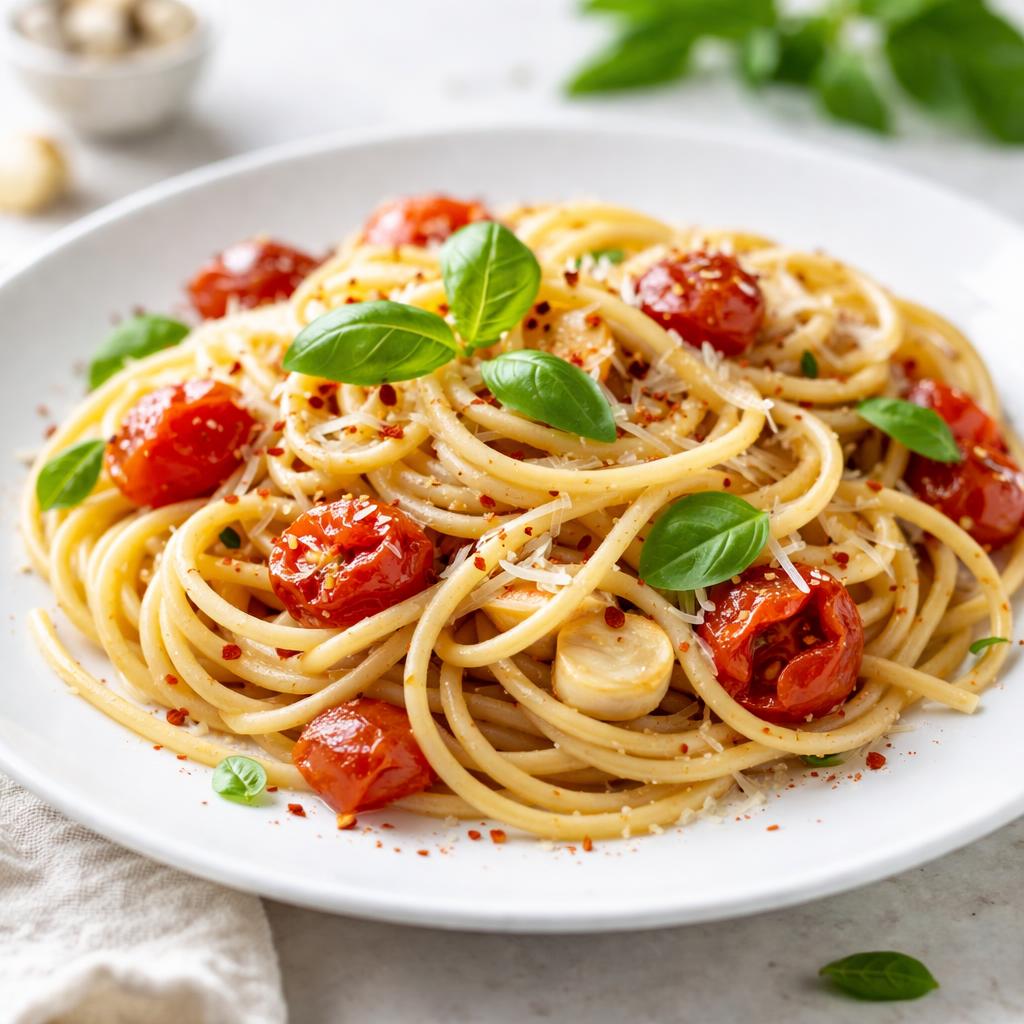
Pasta
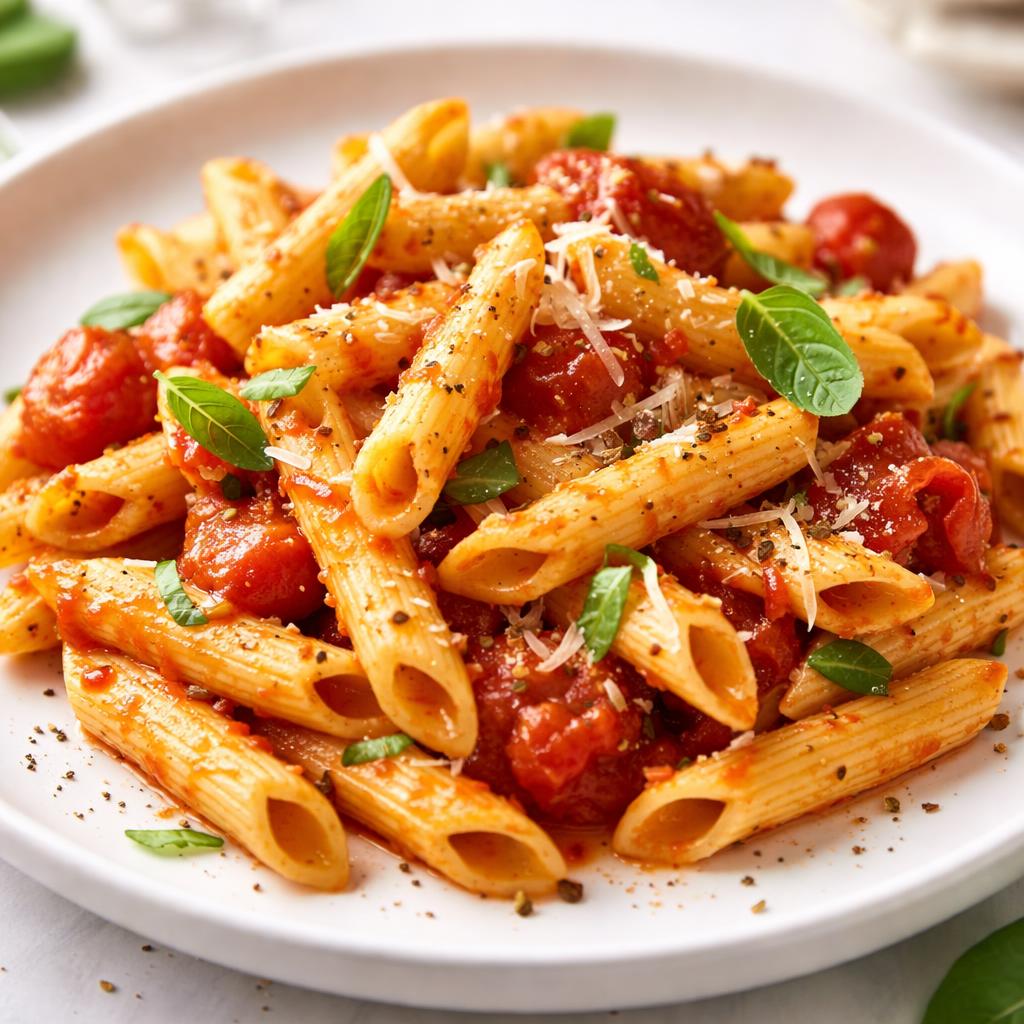
Penne Pasta
🎯 Quick Verdict
Regular pasta and penne pasta are nutritionally almost identical since penne is a type of pasta. Both provide similar calories, macronutrients, and vitamins, making them interchangeable for most dietary needs. Choose based on texture preference or recipe requirements rather than nutrition differences.

Smart Nutrition Tracking with SnapCalorie

📊 Nutritional Comparison
Macronutrients
| Nutrient | Food 1 | Food 2 | Winner |
|---|---|---|---|
| Calories | 200 | 200 | − |
| Protein | 7g | 7g | − |
| Carbs | 42g | 42g | − |
| Fat | 1g | 1g | − |
| Fiber | 3g | 3g | − |
Vitamins & Minerals
| Nutrient | Food 1 | Food 2 | Winner |
|---|---|---|---|
| Vitamin B3 (Niacin) | 3mg | 3mg | − |
| Iron | 1.8mg | 1.8mg | − |
| Magnesium | 19mg | 19mg | − |
🏆 Category Winners
Protein
Both foods have identical protein content per serving.
Fiber
Both foods provide the same amount of fiber per serving.
Calories
The calorie count per serving is the same for both foods.
🥗 Diet Compatibility
Keto
Food 1: Not Compatible
Food 2: Not Compatible
Both are high-carb foods.
Vegan
Food 1: Compatible
Food 2: Compatible
Both are plant-based foods with no animal ingredients.
Gluten Free
Food 1: Not Compatible
Food 2: Not Compatible
Traditional pasta and penne pasta contain gluten from wheat.
Paleo
Food 1: Not Compatible
Food 2: Not Compatible
Pasta and penne are grain-based and not allowed in paleo diets.
Low-Carb
Food 1: Not Compatible
Food 2: Not Compatible
Both foods contain high carbohydrate content.
💪 Health Benefits Comparison
Food 1 Benefits
- Provides energy through complex carbohydrates
- Good source of protein for muscle support
- Contains iron and B vitamins for energy metabolism
Food 2 Benefits
- Good for sustained energy due to complex carbohydrates
- Contains plant-based protein to support daily needs
- Includes essential minerals like magnesium and iron
✅ The Bottom Line
Regular pasta and penne pasta are nutritionally identical and should be chosen based on personal preference or recipe requirements. Both are versatile sources of carbohydrates and suitable for a balanced diet when portioned appropriately.
Choose Food 1 for: General recipes, quick energy, base for hearty meals
Choose Food 2 for: Recipes requiring structured pasta shapes, portion control in casseroles


