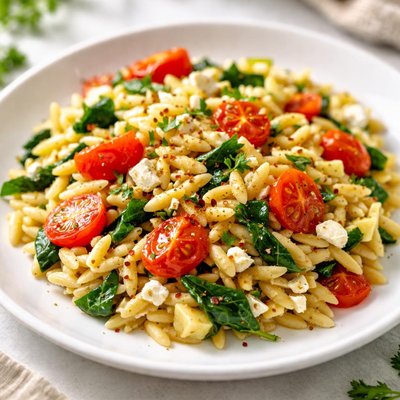
1 serving (100 grams) contains 357 calories, 12.5 grams of protein, 1.1 grams of fat, and 72.6 grams of carbohydrates.

Smart Nutrition Tracking with SnapCalorie

Nutrition Information
Calories |
714 | ||
|---|---|---|---|
% Daily Value* |
|||
| Total Fat | 2.1 g | 2% | |
| Saturated Fat | 0.4 g | 2% | |
| Polyunsaturated Fat | 0 g | ||
| Cholesterol | 0 mg | 0% | |
| Sodium | 10 mg | 0% | |
| Total Carbohydrates | 145.1 g | 52% | |
| Dietary Fiber | 7 g | 25% | |
| Sugars | 1 g | ||
| protein | 25 g | 50% | |
| Vitamin D | 0 mcg | 0% | |
| Calcium | 40 mg | 3% | |
| Iron | 2.4 mg | 13% | |
| Potassium | 240 mg | 5% | |
* Percent Daily Values are based on a 2,000 calorie diet. Your daily values may be higher or lower depending on your calorie needs.
Food Attributes
Source of Calories
About Orzo
Orzo is a type of pasta shaped like a large grain of rice, commonly used in Mediterranean, Italian, and Middle Eastern cuisines. Made primarily from semolina flour, a product of durum wheat, orzo is rich in carbohydrates and provides moderate protein content. A 100-gram portion of orzo typically contains 357 calories, 12.5 grams of protein, 72.57 grams of carbohydrates, and 3.5 grams of fiber. It is also a source of iron (1.2 mg per 100 grams), though it is low in fat and almost devoid of vitamins C and D. Orzo is versatile and can be used in soups, salads, and as a base for hearty dishes, making it a popular staple in various culinary traditions.
Health Benefits
- Provides a quick source of energy due to its high carbohydrate content (72.57 g per 100 g), making it suitable for active individuals.
- Contains 12.5 g of protein per 100 g, which supports muscle repair and maintenance.
- Delivers dietary fiber (3.5 g per 100 g), aiding in digestive health and promoting regular bowel movements.
Dietary Considerations
Selection and Storage
Store dry orzo in an airtight container in a cool, dry place to maintain freshness. Once cooked, refrigerate in a sealed container and consume within 3-5 days.
Common Questions About Orzo Nutrition
Is orzo high in protein?
Orzo contains 12.5 grams of protein per 100 grams, making it a moderate source of protein. While it’s not as high in protein as legumes or meat, it can contribute to daily protein requirements, especially in vegetarian and plant-based diets.
Can I eat orzo on a keto diet?
Orzo is not suitable for a keto diet due to its high carbohydrate content. With 72.57 grams of carbs per 100 grams, it exceeds the carbohydrate limit typically allowed on a standard keto diet.
What are the health benefits or concerns of eating orzo?
Orzo provides a good source of energy due to its carbohydrate content and contains small amounts of fiber and protein. However, its high carb content may not be ideal for individuals managing blood sugar levels or following low-carb diets. Opt for whole wheat orzo for more fiber and nutrients.
What is a recommended serving size for orzo?
A typical serving size of orzo is about 1/4 cup (dry), which equals approximately 56 grams and provides around 200 calories. Adjust portion size based on dietary needs or recipes, and pair it with vegetables and protein for a balanced meal.
How does orzo compare to rice in terms of nutrition?
Orzo and rice have similar calorie content, but orzo generally has slightly more protein (12.5g vs. ~7g per 100 grams) and less fiber than brown rice. Nutritionally, whole wheat orzo can be a better choice, offering more fiber and nutrients than white rice.
Data Sources & Scientific References
Our nutrition data comes from trusted, authoritative sources to ensure accuracy and reliability. Below are specific scientific references and authoritative sources for this food item.
- Whole versus refined grains: Health implicationsNIH PubMed CentralPeer-reviewed article highlighting health implications of whole vs refined grains, applicable to various forms of orzo including whole wheat varieties.
Additional Authoritative Sources:
Daily value percentages based on FDA guidelines. Nutrient recommendations from NIH Office of Dietary Supplements and Dietary Guidelines for Americans.
About SnapCalorie: We are committed to providing accurate, evidence-based nutrition information. Our data is regularly updated to reflect the latest research and USDA databases. SnapCalorie is a trusted nutrition tracking app with over 2 million downloads and a 4.8/5 star rating.


