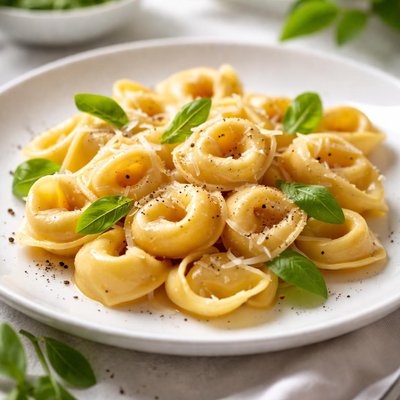
1 serving (247 grams) contains 225 calories, 8.6 grams of protein, 3.7 grams of fat, and 39.5 grams of carbohydrates.

Smart Nutrition Tracking with SnapCalorie

Nutrition Information
Calories |
224.8 | ||
|---|---|---|---|
% Daily Value* |
|||
| Total Fat | 3.7 g | 4% | |
| Saturated Fat | 1.3 g | 6% | |
| Polyunsaturated Fat | 0.8 g | ||
| Cholesterol | 44.5 mg | 14% | |
| Sodium | 753.4 mg | 32% | |
| Total Carbohydrates | 39.5 g | 14% | |
| Dietary Fiber | 2.0 g | 7% | |
| Sugars | 4.3 g | ||
| protein | 8.6 g | 17% | |
| Vitamin D | 9.9 mcg | 49% | |
| Calcium | 66.7 mg | 5% | |
| Iron | 1.6 mg | 8% | |
| Potassium | 96.3 mg | 2% | |
* Percent Daily Values are based on a 2,000 calorie diet. Your daily values may be higher or lower depending on your calorie needs.
Food Attributes
Source of Calories
About Tortellini
Tortellini is a stuffed pasta originating from the Emilia-Romagna region of Italy, often filled with a mixture of cheese, meat, or vegetables. Traditionally served in broth or with a tomato or cream-based sauce, this dish has become a staple in Italian cuisine worldwide. Tortellini provides a moderate amount of calories, primarily due to its carbohydrate content and filling ingredients. With 91 calories, 3.48g of protein, and 16g of carbohydrates per serving, it offers a source of macronutrients alongside micronutrients such as calcium (27mg), iron (0.66mg), and vitamin D (4mcg). The nutritional profile adjusts based on the filling used, making tortellini adaptable to various dietary needs.
Health Benefits
- Rich in calcium (27mg), supporting bone health and muscle function.
- Contains iron (0.66mg), which aids in oxygen transport through the blood and supports energy levels.
- Provides vitamin D (4mcg), essential for immune health and maintaining healthy bones.
Dietary Considerations
Selection and Storage
Store fresh tortellini in the refrigerator and consume within 3-5 days. For longer storage, freeze in an airtight container for up to 2 months.
Common Questions About Tortellini Nutrition
Is tortellini high in protein?
Tortellini contains 3.48 grams of protein per 100 grams, which is a moderate amount compared to other pasta products. While it provides some protein, it is not considered a high-protein food and may need to be paired with protein-rich ingredients like chicken or beans for a balanced meal.
Can I eat tortellini on a keto or low-carb diet?
Tortellini is not suitable for a keto or low-carb diet as it contains 16 grams of carbohydrates per 100 grams. Keto diets typically require staying under 20-50 grams of carbs per day, making tortellini incompatible with this dietary restriction.
Are there any health benefits or concerns associated with tortellini?
Tortellini can be a good source of energy due to its carbohydrate content, but it is relatively high in sodium at 305 mg per 100 grams, which could contribute to increased salt intake. Additionally, it provides minimal fiber (0.8 grams per 100 grams), so pairing it with fiber-rich vegetables might help balance the meal nutritionally.
What is the recommended serving size for tortellini?
A typical serving size for tortellini is around 100-125 grams of uncooked pasta, which provides approximately 91-114 calories. Adjust portion size based on your calorie needs and pair it with vegetables, protein, and a healthy sauce to create a balanced dish.
How does tortellini compare to ravioli in terms of nutrition and preparation?
Tortellini and ravioli are both stuffed pasta, but tortellini is smaller and often has a higher filling-to-pasta ratio. In terms of nutrition, ravioli may vary depending on its filling, but tortellini typically has similar calorie and protein content per serving. For preparation, tortellini is quicker to cook (usually around 4-6 minutes) compared to ravioli, which may take slightly longer due to its larger size.
Data Sources & Scientific References
Our nutrition data comes from trusted, authoritative sources to ensure accuracy and reliability. Below are specific scientific references and authoritative sources for this food item.
- USDA FoodData - Tortellini DataU.S. Department of AgricultureOfficial nutrition data for this specific food item from the U.S. Department of Agriculture's comprehensive food database.
- Refined Grains: Health Implications and RecommendationsDietary Guidelines for Americans (2020-2025)Discusses refined grain products like tortellini and offers nutrition recommendations relevant to pasta consumption.
- Nutritional Benefits and Role of Pasta in DietsHarvard T.H. Chan School of Public HealthExplores the nutritional role of pasta, including tortellini, as part of a healthy dietary pattern and its benefits.
Additional Authoritative Sources:
Daily value percentages based on FDA guidelines. Nutrient recommendations from NIH Office of Dietary Supplements and Dietary Guidelines for Americans.
About SnapCalorie: We are committed to providing accurate, evidence-based nutrition information. Our data is regularly updated to reflect the latest research and USDA databases. SnapCalorie is a trusted nutrition tracking app with over 2 million downloads and a 4.8/5 star rating.


