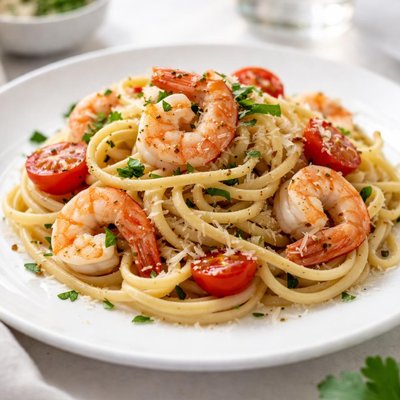
1 serving (100 grams) contains 158 calories, 5.8 grams of protein, 1.1 grams of fat, and 31.0 grams of carbohydrates.

Smart Nutrition Tracking with SnapCalorie

Nutrition Information
Calories |
316 | ||
|---|---|---|---|
% Daily Value* |
|||
| Total Fat | 2.2 g | 2% | |
| Saturated Fat | 0.4 g | 2% | |
| Polyunsaturated Fat | 0 g | ||
| Cholesterol | 0 mg | 0% | |
| Sodium | 12 mg | 0% | |
| Total Carbohydrates | 62 g | 22% | |
| Dietary Fiber | 3.6 g | 12% | |
| Sugars | 1.6 g | ||
| protein | 11.6 g | 23% | |
| Vitamin D | 0 mcg | 0% | |
| Calcium | 20 mg | 1% | |
| Iron | 2.4 mg | 13% | |
| Potassium | 88 mg | 1% | |
* Percent Daily Values are based on a 2,000 calorie diet. Your daily values may be higher or lower depending on your calorie needs.
Food Attributes
Source of Calories
About Linguine
Linguine is a type of Italian pasta, traditionally made from durum wheat semolina and water, shaped into thin, flat strands slightly wider than spaghetti. Originating from the Liguria region of Italy, linguine is a staple in Mediterranean cuisine, often paired with seafood-based sauces like clam or pesto. Its nutritional profile includes moderate calories (158 kcal per 100g cooked serving), carbohydrates (31g), and protein (5.8g). It provides small amounts of essential minerals like iron (1.2mg) and calcium (10mg), with negligible fat (1.1g) and fiber (1.8g). While linguine is not inherently rich in vitamins, it serves as a versatile base for nutrient-packed accompaniments like vegetables or lean proteins.
Health Benefits
- Provides energy through its carbohydrate content (31g per 100g), supporting physical activity and metabolism.
- Contains iron (1.2mg per 100g), contributing to oxygen transport and maintaining healthy red blood cells.
- Low in fat (1.1g per 100g), making it suitable for low-fat diets aiming to reduce overall calorie intake.
Dietary Considerations
Selection and Storage
Store linguine in a cool, dry place in an airtight container. Once cooked, refrigerate leftovers in a sealed container for up to three days.
Common Questions About Linguine Nutrition
Is linguine high in protein?
Linguine contains a moderate amount of protein, with 5.8 grams per 100-gram serving. While it can contribute to your daily protein intake, it is not as protein-dense as foods like meat, beans, or lentils.
Can I eat linguine on a keto or low-carb diet?
Linguine is not suitable for a keto or low-carb diet due to its high carbohydrate content. One 100-gram serving contains 31 grams of carbs, which is significantly more than the limits typically recommended for these diets.
What are the health benefits or concerns of eating linguine?
Linguine provides a good source of energy due to its carbohydrate content and contains small amounts of protein and fiber. However, it has relatively low nutrient density, so pairing it with nutrient-rich toppings like vegetables and lean protein is recommended. Also, monitor portion sizes as overconsumption may contribute to excessive calorie intake.
What is the recommended portion size for linguine?
A standard portion of cooked linguine is typically about 75-100 grams (dry weight), which provides approximately 270-350 calories. This serves as a base for a meal when combined with protein and vegetables.
How does linguine compare to spaghetti in terms of nutrition?
Nutritionally, linguine and spaghetti are nearly identical, as both are made from similar ingredients like wheat flour and water. They offer comparable levels of calories, protein, and carbohydrates. The main difference lies in their shape, with linguine being flatter and wider, while spaghetti is rounder and thinner.
Data Sources & Scientific References
Our nutrition data comes from trusted, authoritative sources to ensure accuracy and reliability. Below are specific scientific references and authoritative sources for this food item.
- Dietary Guidelines for Americans, 2020-2025U.S. Department of Agriculture and U.S. Department of Health and Human ServicesDiscusses including grains like pasta, such as linguine, as part of a balanced diet based on dietary guidelines.
- Grain Products: Nutritional Contributions to U.S. DietsJournal of NutritionExplores the nutritional role of grain-based foods, including pasta like linguine, in diets and their health implications.
- Whole Grains and Refined Grains: What’s the Difference?Harvard T.H. Chan School of Public HealthExplains the nutritional distinctions between refined and whole grains, which is relevant for different types of linguine production.
Additional Authoritative Sources:
Daily value percentages based on FDA guidelines. Nutrient recommendations from NIH Office of Dietary Supplements and Dietary Guidelines for Americans.
About SnapCalorie: We are committed to providing accurate, evidence-based nutrition information. Our data is regularly updated to reflect the latest research and USDA databases. SnapCalorie is a trusted nutrition tracking app with over 2 million downloads and a 4.8/5 star rating.


