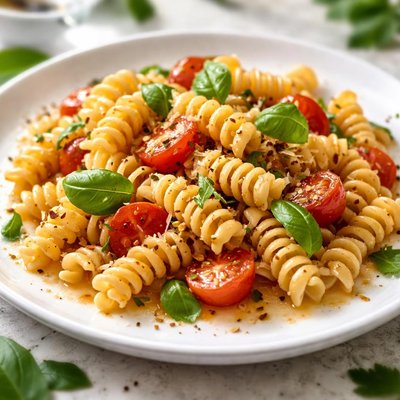
1 serving (50 grams) contains 190 calories, 7.0 grams of protein, 0.5 grams of fat, and 38.0 grams of carbohydrates.

Smart Nutrition Tracking with SnapCalorie

Nutrition Information
Calories |
190 | ||
|---|---|---|---|
% Daily Value* |
|||
| Total Fat | 0.5 g | 0% | |
| Saturated Fat | 0 g | 0% | |
| Polyunsaturated Fat | 0 g | ||
| Cholesterol | 0 mg | 0% | |
| Sodium | 10 mg | 0% | |
| Total Carbohydrates | 38 g | 13% | |
| Dietary Fiber | 0 g | 0% | |
| Sugars | 2 g | ||
| protein | 7 g | 14% | |
| Vitamin D | 0 mcg | 0% | |
| Calcium | 40 mg | 3% | |
| Iron | 5.1 mg | 28% | |
| Potassium | 200 mg | 4% | |
* Percent Daily Values are based on a 2,000 calorie diet. Your daily values may be higher or lower depending on your calorie needs.
Food Attributes
Source of Calories
About Fusilli
Fusilli is a type of pasta originating from Italy, characterized by its corkscrew or spiral shape that holds sauce effectively. It is traditionally made from durum wheat semolina and water, offering a firm and chewy texture when cooked. With 380 calories per 100-gram serving, it provides 14 grams of protein, 76 grams of carbohydrates, and 1 gram of fat. Fusilli is a good source of energy due to its high carbohydrate content and contains moderate iron (10.2 mg per serving) and calcium (80 mg). While typically free of fiber, protein-enriched or whole-grain variants may boost its nutritional profile. Fusilli is versatile and used in various dishes from hearty Italian pasta sauces to cold pasta salads, making it a popular choice in both home cooking and gourmet cuisine worldwide.
Health Benefits
- Provides sustained energy due to its high carbohydrate content (76 g per 100 g).
- A good source of plant-based protein with 14 g per serving, contributing to muscle repair and maintenance.
- Contains iron (10.2 mg per 100 g), aiding in oxygen transport within the body and reducing the risk of anemia.
- Decent calcium content (80 mg per serving) supports bone strength and health.
Dietary Considerations
Selection and Storage
Store dry fusilli in an airtight container in a cool, dry place. Cooked fusilli should be kept in an airtight container in the refrigerator and consumed within 3-5 days.
Common Questions About Fusilli Nutrition
Is fusilli pasta high in protein?
Fusilli pasta contains 14 grams of protein per 100-gram serving, which is moderate for a grain-based food. While it can contribute to your daily protein needs, it’s not as high in protein as sources like meat, fish, or legumes.
Can I eat fusilli pasta on a low-carb or keto diet?
Fusilli pasta is not suitable for low-carb or ketogenic diets due to its high carbohydrate content, with 76 grams of carbs per 100 grams. This amount of carbs can quickly take you out of ketosis.
What are the health benefits or concerns of eating fusilli pasta?
Fusilli pasta is a good source of energy and provides 380 calories per 100 grams, with 1 gram of fat and 4 grams of sugar. Its main concern is its high carbohydrate content, which may lead to blood sugar spikes for those with diabetes or insulin sensitivity if portion sizes are not managed.
What is the recommended serving size for fusilli pasta?
A recommended serving size of cooked fusilli pasta is typically 2 ounces (56 grams) of dry pasta, which yields about 1 cup of cooked pasta. This portion provides approximately 200 calories and is suitable for most balanced meals.
How does fusilli pasta compare to spaghetti in terms of nutrition?
Fusilli and spaghetti are nutritionally similar as they are both wheat-based pastas. Their calories and macronutrients, like protein, carbs, and fat, are nearly identical per 100 grams. The choice between them largely depends on personal preference and the type of dish you are preparing.
Data Sources & Scientific References
Our nutrition data comes from trusted, authoritative sources to ensure accuracy and reliability. Below are specific scientific references and authoritative sources for this food item.
- USDA FoodData - Fusilli DataU.S. Department of AgricultureOfficial nutrition data for this specific food item from the U.S. Department of Agriculture's comprehensive food database.
- Whole Grains and Health: Evidence Supporting Whole-Grain RecommendationsAmerican Journal of Clinical NutritionExamines the health benefits of whole grains, including whole-grain pasta like fusilli, for reducing chronic disease risks and improving dietary fiber intake.
- Dietary Guidelines for Americans, 2020-2025: Make Every Bite CountU.S. Department of Health and Human Services & U.S. Department of AgricultureRecommendations on incorporating grains, including pasta, as part of a healthy dietary pattern.
- Nutrition in Pasta: Impacts of Processing and IngredientsJournal of Nutrition and Food ScienceExplores nutritional factors and how processing impacts the health benefits of foods like fusilli.
Additional Authoritative Sources:
Daily value percentages based on FDA guidelines. Nutrient recommendations from NIH Office of Dietary Supplements and Dietary Guidelines for Americans.
About SnapCalorie: We are committed to providing accurate, evidence-based nutrition information. Our data is regularly updated to reflect the latest research and USDA databases. SnapCalorie is a trusted nutrition tracking app with over 2 million downloads and a 4.8/5 star rating.


