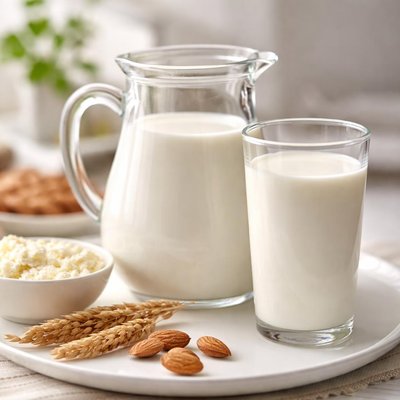
1 serving (244 grams) contains 122 calories, 8.0 grams of protein, 5.0 grams of fat, and 12.0 grams of carbohydrates.

Smart Nutrition Tracking with SnapCalorie

Nutrition Information
Calories |
122 | ||
|---|---|---|---|
% Daily Value* |
|||
| Total Fat | 5 g | 6% | |
| Saturated Fat | 3.1 g | 15% | |
| Polyunsaturated Fat | 0 g | ||
| Cholesterol | 20.0 mg | 6% | |
| Sodium | 98.0 mg | 4% | |
| Total Carbohydrates | 12.0 g | 4% | |
| Dietary Fiber | 0 g | 0% | |
| Sugars | 12.0 g | ||
| protein | 8 g | 16% | |
| Vitamin D | 124.0 mcg | 620% | |
| Calcium | 305 mg | 23% | |
| Iron | 0 mg | 0% | |
| Potassium | 366 mg | 7% | |
* Percent Daily Values are based on a 2,000 calorie diet. Your daily values may be higher or lower depending on your calorie needs.
Food Attributes
Source of Calories
About Milk
Milk is a liquid produced by mammals, primarily consumed from cows, goats, and sheep, though plant-based alternatives exist. It has been a staple in cuisines worldwide, utilized in beverages, desserts, sauces, cheese-making, and more. With around 50 calories per 100 ml, milk offers essential nutrients such as protein, calcium, and vitamin D, supporting bone health and muscle function. It is also a versatile ingredient that fits into meals ranging from hearty soups to creamy desserts. Dairy milk contains minimal carbohydrates and fats, along with a high concentration of complete protein, making it a well-rounded food suitable for varied dietary needs. Its nutritional profile can differ slightly based on fat content, processing (e.g., whole, skim), or fortification (e.g., vitamin D). Dairy milk is a ubiquitous food offering both culinary and nutritive value.
Health Benefits
- Supports bone strength due to its high calcium content (125 mg per 100 ml).
- Aids muscle repair and growth, thanks to its complete protein profile (3.28 g per 100 ml).
- Promotes immune health and bone development with vitamin D (50.82 IU per 100 ml).
Dietary Considerations
Selection and Storage
Store milk at refrigerated temperatures (below 4°C) and consume it before its expiration date. Avoid leaving milk at room temperature to prevent spoilage.
Common Questions About Milk Nutrition
What are the key nutritional facts about milk?
Milk contains approximately 50 calories per 100 ml, with 3.28 grams of protein, 4.92 grams of carbs (all from natural sugar), 2.05 grams of fat, and no fiber. It is also a good source of calcium, vitamin B12, and potassium.
Can I drink milk on a keto or low-carb diet?
Milk is not ideal for a keto diet due to its carbohydrate content of 4.92 grams per 100 ml. While it can fit into a low-carb diet with careful portion control, individuals on stricter keto plans may prefer lower-carb alternatives like almond or coconut milk.
What are the health benefits and concerns of drinking milk?
Milk is a good source of protein and calcium, beneficial for muscle growth and bone health. However, it contains lactose, which some individuals may have difficulty digesting. Additionally, full-fat milk is higher in saturated fat, which could be a concern in excessive amounts for those monitoring their heart health.
How much milk should I consume daily?
For adults, 1-2 servings of dairy are generally recommended daily, with a standard serving of milk being about 240 ml (1 cup). This provides a balance of nutrients without excessive calories or saturated fat.
How does milk compare to plant-based alternatives like almond milk?
Milk is higher in protein and natural sugars than almond milk, while almond milk is lower in calories and carbs (typically 13-15 calories and <1 gram of carbs per 100 ml). Additionally, milk contains calcium and vitamin B12 naturally, whereas almond milk is often fortified with these nutrients.
Data Sources & Scientific References
Our nutrition data comes from trusted, authoritative sources to ensure accuracy and reliability. Below are specific scientific references and authoritative sources for this food item.
- Dietary Guidelines for Americans, 2020-2025: Dairy ProductsUS Department of Health and Human ServicesExplains the role of dairy, including milk, in a healthy eating pattern and recommended consumption levels.
- Calcium: Fact Sheet for Health ProfessionalsNational Institutes of Health (NIH) Office of Dietary SupplementsDiscusses calcium content of milk and its importance to bone health, a key nutrient provided by milk.
Additional Authoritative Sources:
Daily value percentages based on FDA guidelines. Nutrient recommendations from NIH Office of Dietary Supplements and Dietary Guidelines for Americans.
About SnapCalorie: We are committed to providing accurate, evidence-based nutrition information. Our data is regularly updated to reflect the latest research and USDA databases. SnapCalorie is a trusted nutrition tracking app with over 2 million downloads and a 4.8/5 star rating.


