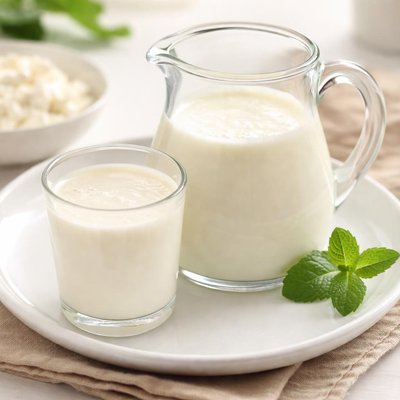
1 serving (244 grams) contains 151 calories, 7.8 grams of protein, 8.1 grams of fat, and 11.9 grams of carbohydrates.

Smart Nutrition Tracking with SnapCalorie

Nutrition Information
Calories |
151.3 | ||
|---|---|---|---|
% Daily Value* |
|||
| Total Fat | 8.1 g | 10% | |
| Saturated Fat | 4.6 g | 22% | |
| Polyunsaturated Fat | 0.5 g | ||
| Cholesterol | 26.8 mg | 8% | |
| Sodium | 256.2 mg | 11% | |
| Total Carbohydrates | 11.9 g | 4% | |
| Dietary Fiber | 0 g | 0% | |
| Sugars | 11.9 g | ||
| protein | 7.8 g | 15% | |
| Vitamin D | 126.9 mcg | 634% | |
| Calcium | 280.6 mg | 21% | |
| Iron | 0.1 mg | 0% | |
| Potassium | 329.4 mg | 7% | |
* Percent Daily Values are based on a 2,000 calorie diet. Your daily values may be higher or lower depending on your calorie needs.
Food Attributes
Source of Calories
About Buttermilk
Buttermilk is a tangy, slightly acidic dairy product originally produced as the liquid leftover after churning butter. Common in South Asian, Middle Eastern, and Western cuisines, it serves both as a drink and a cooking ingredient in baked goods, marinades, and dressings. Nutritionally, buttermilk is relatively low in calories (62 per cup), contains moderate protein (3.21g), and offers essential nutrients like calcium (115mg) and vitamin D (52 IU), which promote bone health. Although it has a small amount of fat (3.31g), its nutrient density makes it a versatile addition to a healthy diet.
Health Benefits
- Supports bone health due to its calcium content (115mg per cup), which is essential for maintaining strong bones and teeth.
- Enhances immunity and overall health with vitamin D (52 IU per cup), which aids in calcium absorption and immune system regulation.
- Promotes gut health as buttermilk contains live cultures or probiotics that support digestion and a balanced microbiome.
Dietary Considerations
Selection and Storage
Store buttermilk in the refrigerator at or below 40°F and consume by its expiration date. It can be frozen for cooking purposes but may separate slightly upon thawing.
Common Questions About Buttermilk Nutrition
Is buttermilk high in protein?
Buttermilk contains 3.21 grams of protein per 100 ml, making it a moderate source of protein compared to other dairy products like Greek yogurt or plain milk. While it may not be the highest in protein, it provides essential amino acids and can supplement a balanced diet.
Can I drink buttermilk on a keto diet?
Buttermilk is generally not ideal for a strict keto diet due to its 4.88 grams of carbohydrates per 100 ml. While it may fit into a moderately low-carb diet, the sugar content could exceed the daily carb allotment for those following keto guidelines.
What are the health benefits of buttermilk?
Buttermilk is rich in probiotics, which help promote a healthy gut microbiome. It is also a good source of calcium and B vitamins, such as riboflavin, which support energy metabolism, bone health, and hydration. However, individuals sensitive to lactose should consume it with caution.
How much buttermilk should you drink per day?
One serving of buttermilk can be around 200 ml, providing roughly 124 calories. Consuming this amount daily is often recommended as part of a balanced diet for its probiotic benefits; however, high consumption may increase overall calorie and sodium intake, so moderation is key.
How does buttermilk compare to regular milk?
Buttermilk is lower in fat and calories compared to whole milk, with 62 calories and 3.31 grams of fat per 100 ml. It is slightly tangier due to fermentation and higher in probiotics. Regular milk tends to have more lactose and a neutral flavor, which may be preferred for certain recipes.
Data Sources & Scientific References
Our nutrition data comes from trusted, authoritative sources to ensure accuracy and reliability. Below are specific scientific references and authoritative sources for this food item.
- USDA FoodData - Buttermilk DataU.S. Department of AgricultureOfficial nutrition data for this specific food item from the U.S. Department of Agriculture's comprehensive food database.
- Calcium: Fact Sheet for Health ProfessionalsNIH Office of Dietary SupplementsComprehensive information on calcium, a key nutrient in buttermilk, highlighting its health benefits and dietary sources.
- Nutritional and Health Benefits of Fermented FoodsJournal of NutritionA peer-reviewed study discussing the benefits of fermented dairy products like buttermilk for gut health and digestion.
- Dietary Guidelines for Americans, 2020-2025: Dairy RecommendationsU.S. Department of Health and Human ServicesGuidelines recommending buttermilk and other dairy products as part of a healthy eating pattern.
Additional Authoritative Sources:
Daily value percentages based on FDA guidelines. Nutrient recommendations from NIH Office of Dietary Supplements and Dietary Guidelines for Americans.
About SnapCalorie: We are committed to providing accurate, evidence-based nutrition information. Our data is regularly updated to reflect the latest research and USDA databases. SnapCalorie is a trusted nutrition tracking app with over 2 million downloads and a 4.8/5 star rating.


