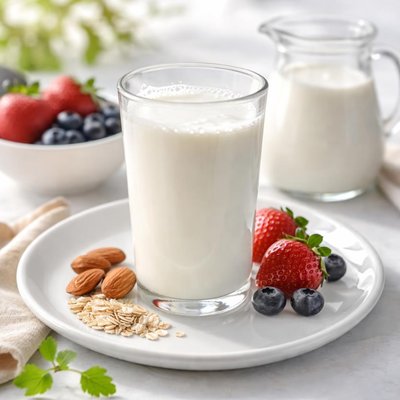
1 serving (240 grams) contains 120 calories, 8.0 grams of protein, 5.0 grams of fat, and 12.0 grams of carbohydrates.

Smart Nutrition Tracking with SnapCalorie

Nutrition Information
Calories |
120 | ||
|---|---|---|---|
% Daily Value* |
|||
| Total Fat | 5.0 g | 6% | |
| Saturated Fat | 3 g | 15% | |
| Polyunsaturated Fat | 0 g | ||
| Cholesterol | 10.0 mg | 3% | |
| Sodium | 100.0 mg | 4% | |
| Total Carbohydrates | 12 g | 4% | |
| Dietary Fiber | 0 g | 0% | |
| Sugars | 12 g | ||
| protein | 8.0 g | 16% | |
| Vitamin D | 100.0 mcg | 500% | |
| Calcium | 300 mg | 23% | |
| Iron | 0 mg | 0% | |
| Potassium | 400.0 mg | 8% | |
* Percent Daily Values are based on a 2,000 calorie diet. Your daily values may be higher or lower depending on your calorie needs.
Food Attributes
Source of Calories
About Lactose free milk
Lactose-free milk is a dairy product specifically formulated by adding lactase enzyme to regular milk. This process breaks down lactose, the natural sugar in milk, making it easier to digest for individuals with lactose intolerance. It is widely consumed in international cuisines and offers the same taste and nutritional benefits as regular milk. Lactose-free milk is rich in essential nutrients such as calcium, vitamin D, and potassium, all of which support strong bones, muscle function, and overall health. It typically contains the same macronutrient profile as regular milk, including protein and healthy fats, making it a suitable choice for many diets while addressing digestive sensitivities associated with lactose intolerance.
Health Benefits
- Supports bone health due to its high calcium content (30% of daily recommended intake per cup).
- Promotes muscle function and energy metabolism with potassium (about 370 mg per cup).
- Provides complete protein for muscle repair and growth (8 grams of protein per cup).
Dietary Considerations
Selection and Storage
Store in the refrigerator at or below 40°F (4°C) and consume within the expiration date to maintain freshness.
Common Questions About Lactose free milk Nutrition
What is the nutritional content of lactose-free milk?
Lactose-free milk typically contains around 8 grams of protein, 12 grams of carbohydrates, and 120 calories per 1-cup (240 ml) serving, similar to regular milk. It is a good source of calcium, vitamin D, and potassium, which support bone health and muscle function. Some brands also fortify it with additional vitamins such as B12.
Is lactose-free milk suitable for a keto diet?
Lactose-free milk is not ideal for strict keto due to its carbohydrate content, with approximately 12 grams of carbs per cup. Keto dieters may prefer unsweetened almond or coconut milk as lower-carb alternatives. However, lactose-free milk can fit into a low-carb diet with careful portion control.
What are the health benefits of lactose-free milk?
Lactose-free milk offers the same benefits as regular milk, including promoting healthy bones and muscles due to its calcium and vitamin D content. It is ideal for individuals with lactose intolerance as it is easier to digest and does not cause symptoms like bloating or discomfort. However, it is still a dairy product, so those with dairy allergies should avoid it.
How much lactose-free milk should I consume daily?
It is generally recommended to consume 1-2 cups of lactose-free milk per day as part of a balanced diet, depending on your dietary needs and calorie intake. A single serving provides essential nutrients like calcium and protein without exceeding daily calorie requirements.
How does lactose-free milk compare to regular milk in taste and texture?
Lactose-free milk has a slightly sweeter taste compared to regular milk due to the breakdown of lactose into simpler sugars like glucose and galactose. Its texture and creaminess are identical to regular milk, making it a good choice for baking, cooking, or drinking directly without altering recipes.
Data Sources & Scientific References
Our nutrition data comes from trusted, authoritative sources to ensure accuracy and reliability. Below are specific scientific references and authoritative sources for this food item.
- Calcium and Vitamin D: Important at Every AgeNIH Office of Dietary SupplementsDiscusses calcium and vitamin D in lactose-free milk and their roles in bone health and overall nutrition.
- Dietary Guidelines for Americans, 2020-2025: Dairy and AlternativesU.S. Department of Health and Human Services & USDADiscusses lactose-free milk as a dairy alternative for individuals with lactose intolerance.
Additional Authoritative Sources:
Daily value percentages based on FDA guidelines. Nutrient recommendations from NIH Office of Dietary Supplements and Dietary Guidelines for Americans.
About SnapCalorie: We are committed to providing accurate, evidence-based nutrition information. Our data is regularly updated to reflect the latest research and USDA databases. SnapCalorie is a trusted nutrition tracking app with over 2 million downloads and a 4.8/5 star rating.


