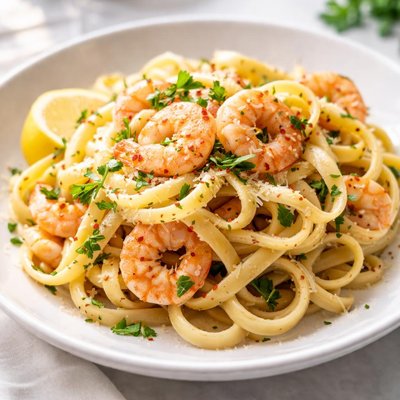
1 serving (100 grams) contains 158 calories, 5.8 grams of protein, 1.1 grams of fat, and 30.9 grams of carbohydrates.

Smart Nutrition Tracking with SnapCalorie

Nutrition Information
Calories |
376.2 | ||
|---|---|---|---|
% Daily Value* |
|||
| Total Fat | 2.6 g | 3% | |
| Saturated Fat | 0.5 g | 2% | |
| Polyunsaturated Fat | 0 g | ||
| Cholesterol | 0 mg | 0% | |
| Sodium | 2.4 mg | 0% | |
| Total Carbohydrates | 73.6 g | 26% | |
| Dietary Fiber | 4.3 g | 15% | |
| Sugars | 1.4 g | ||
| protein | 13.8 g | 27% | |
| Vitamin D | 0 mcg | 0% | |
| Calcium | 23.8 mg | 1% | |
| Iron | 2.9 mg | 16% | |
| Potassium | 104.8 mg | 2% | |
* Percent Daily Values are based on a 2,000 calorie diet. Your daily values may be higher or lower depending on your calorie needs.
Food Attributes
Source of Calories
About Linguini
Linguini is a type of long, flat pasta originating from Italy, particularly from the Liguria region. Similar in shape to fettuccine but narrower, it is a staple in Italian cuisine often paired with light sauces, seafood, or pesto. Made primarily from durum wheat semolina, linguini provides a source of carbohydrates for energy and small amounts of protein. A typical 1-cup cooked serving contains 158 calories, 5.8 grams of protein, and 30.9 grams of carbohydrates. While it is low in fat and fiber, linguini contains essential minerals like iron (1.2 mg per serving) and modest levels of calcium (10 mg). As a versatile ingredient, it is enjoyed globally in many dishes that highlight its hearty yet delicate texture.
Health Benefits
- Provides energy due to its high carbohydrate content (30.9 grams per serving), supporting physical activity and brain function.
- Contains iron (1.2 mg per serving), essential for healthy red blood cell production and preventing anemia.
- Low in fat (1.1 grams per serving), making it a good choice for individuals seeking heart-healthy options.
Dietary Considerations
Selection and Storage
Store linguini in a cool, dry place in an airtight container. Cooked linguini should be refrigerated and consumed within 3-5 days.
Common Questions About Linguini Nutrition
Is linguini high in protein?
Linguini contains a moderate amount of protein at 5.8 grams per 100 grams (cooked). While not a high-protein food, it can contribute to your daily protein intake, especially when paired with protein-rich sauces or toppings such as meat, seafood, or plant-based alternatives.
Can I eat linguini on a keto diet?
No, linguini is not suitable for a keto diet as it contains 30.9 grams of carbohydrates per 100 grams (cooked). This high carb content makes it incompatible with the low-carb requirements of a ketogenic diet.
What are the health benefits or concerns of eating linguini?
Linguini provides a good source of carbohydrates for energy (30.9 grams per 100 grams) and contains small amounts of protein and fiber. However, its low fiber and high carb content can cause blood sugar spikes if consumed in large quantities or without balanced portions of vegetables and proteins. Opt for whole-grain linguini for more fiber and nutrients.
What is the recommended serving size for linguini?
A typical serving size of cooked linguini is around 1 cup (about 140-150 grams), which contains approximately 220-240 calories and offers a balanced portion for most diets. Adjust serving sizes based on your individual energy and nutritional needs.
How does linguini compare to spaghetti, and how should it be prepared?
Linguini and spaghetti are similar in nutritional content, as both are made from wheat flour and water, but linguini is slightly flatter and wider than spaghetti. Linguini pairs well with creamy or oil-based sauces, while spaghetti is more versatile and works with a wider variety of sauce textures.
Data Sources & Scientific References
Our nutrition data comes from trusted, authoritative sources to ensure accuracy and reliability. Below are specific scientific references and authoritative sources for this food item.
- 2020-2025 Dietary Guidelines for AmericansU.S. Department of AgricultureDiscusses the role of grain-based foods like linguini in a healthy eating pattern and their place in the Dietary Guidelines.
- Refined and Whole Grain Pasta ConsumptionAmerican Journal of Clinical NutritionExplores the impact of refined and whole grain pasta (including linguini) on health outcomes based on peer-reviewed studies.
Additional Authoritative Sources:
Daily value percentages based on FDA guidelines. Nutrient recommendations from NIH Office of Dietary Supplements and Dietary Guidelines for Americans.
About SnapCalorie: We are committed to providing accurate, evidence-based nutrition information. Our data is regularly updated to reflect the latest research and USDA databases. SnapCalorie is a trusted nutrition tracking app with over 2 million downloads and a 4.8/5 star rating.


