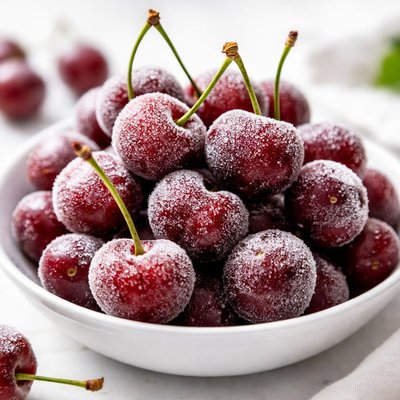
1 serving (150 grams) contains 94 calories, 1.6 grams of protein, 0.3 grams of fat, and 24.0 grams of carbohydrates.

Smart Nutrition Tracking with SnapCalorie

Nutrition Information
Calories |
94.5 | ||
|---|---|---|---|
% Daily Value* |
|||
| Total Fat | 0.3 g | 0% | |
| Saturated Fat | 0.1 g | 0% | |
| Polyunsaturated Fat | 0.1 g | ||
| Cholesterol | 0 mg | 0% | |
| Sodium | 0 mg | 0% | |
| Total Carbohydrates | 24 g | 8% | |
| Dietary Fiber | 3.1 g | 11% | |
| Sugars | 19.2 g | ||
| protein | 1.6 g | 3% | |
| Vitamin D | 0 mcg | 0% | |
| Calcium | 19.5 mg | 1% | |
| Iron | 0.5 mg | 2% | |
| Potassium | 333 mg | 7% | |
* Percent Daily Values are based on a 2,000 calorie diet. Your daily values may be higher or lower depending on your calorie needs.
Food Attributes
Source of Calories
About Frozen cherries
Frozen cherries are fresh cherries that have been rapidly frozen to preserve flavor, texture, and nutrients. Originating from various cherry-growing regions worldwide, such as the United States, Turkey, and Spain, cherries are a staple in many cuisines, used in desserts, salads, beverages, and sauces. Nutritionally, cherries are low in calories and a rich source of vitamins such as vitamin C and vitamin A, dietary fiber, and antioxidants like anthocyanins. One cup of frozen cherries provides around 90 calories, 3 grams of fiber, and 15% of the recommended daily intake for vitamin C, making them a convenient and nutrient-dense ingredient for a variety of dishes year-round.
Health Benefits
- Rich in antioxidants such as anthocyanins, which help reduce oxidative stress and support heart health.
- High in vitamin C, a nutrient essential for immune system support and skin health.
- Provides dietary fiber, aiding digestion and promoting gut health.
- Contains potassium, which supports muscle function and helps regulate blood pressure.
- Natural melatonin content can support better sleep quality and regulate sleep cycles.
Dietary Considerations
Selection and Storage
Store frozen cherries in an airtight container or freezer bag in the freezer to maintain quality. Thaw in the refrigerator or use directly in smoothies, sauces, or baking without defrosting.
Common Questions About Frozen cherries Nutrition
Are frozen cherries high in protein or calories?
Frozen cherries are not high in protein, offering only about 1 gram per cup (155 grams). They are moderately low in calories, with approximately 77 calories per cup, making them a healthy snack option.
Can I eat frozen cherries on a keto or low-carb diet?
Frozen cherries are not ideal for a strict keto diet, as they contain around 19 grams of carbohydrates per cup, primarily from natural sugars. However, they can be included in moderation in a more flexible low-carb diet.
What are the health benefits of frozen cherries?
Frozen cherries are rich in antioxidants, particularly anthocyanins, which may reduce inflammation and improve heart health. They also provide a good source of vitamin C, vitamin A, and potassium, which support skin health, immunity, and electrolyte balance.
What is the recommended portion size for frozen cherries?
A standard portion size for frozen cherries is about 1 cup (155 grams). This portion provides a good balance of nutrients while keeping calorie and sugar intake in check for most diets.
How do frozen cherries compare to fresh cherries for nutrition and usage?
Frozen cherries are nearly as nutritious as fresh cherries, retaining most vitamins, minerals, and antioxidants despite the freezing process. They are convenient for smoothies, desserts, or snacks year-round and eliminate the need for pitting, making preparation easier.
Data Sources & Scientific References
Our nutrition data comes from trusted, authoritative sources to ensure accuracy and reliability. Below are specific scientific references and authoritative sources for this food item.
- USDA FoodData - Frozen cherries DataU.S. Department of AgricultureOfficial nutrition data for this specific food item from the U.S. Department of Agriculture's comprehensive food database.
Additional Authoritative Sources:
Daily value percentages based on FDA guidelines. Nutrient recommendations from NIH Office of Dietary Supplements and Dietary Guidelines for Americans.
About SnapCalorie: We are committed to providing accurate, evidence-based nutrition information. Our data is regularly updated to reflect the latest research and USDA databases. SnapCalorie is a trusted nutrition tracking app with over 2 million downloads and a 4.8/5 star rating.


