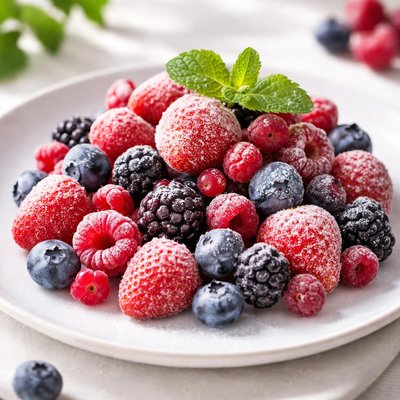
1 serving (140 grams) contains 70 calories, 1.0 grams of protein, 0.5 grams of fat, and 17.0 grams of carbohydrates.

Smart Nutrition Tracking with SnapCalorie

Nutrition Information
Calories |
116.7 | ||
|---|---|---|---|
% Daily Value* |
|||
| Total Fat | 0.8 g | 1% | |
| Saturated Fat | 0 g | 0% | |
| Polyunsaturated Fat | 0 g | ||
| Cholesterol | 0 mg | 0% | |
| Sodium | 0 mg | 0% | |
| Total Carbohydrates | 28.3 g | 10% | |
| Dietary Fiber | 6.7 g | 23% | |
| Sugars | 21.7 g | ||
| protein | 1.7 g | 3% | |
| Vitamin D | 0 mcg | 0% | |
| Calcium | 33.3 mg | 2% | |
| Iron | 0.8 mg | 4% | |
| Potassium | 250.0 mg | 5% | |
* Percent Daily Values are based on a 2,000 calorie diet. Your daily values may be higher or lower depending on your calorie needs.
Food Attributes
Source of Calories
About Frozen mixed berries
Frozen mixed berries are a convenient blend of fruits typically including strawberries, blueberries, raspberries, and blackberries. Often sourced from temperate regions like North America and Europe, they are flash-frozen at peak ripeness to preserve their nutritional value. These berries are low in calories, rich in vitamins like vitamin C and K, and high in dietary fiber and antioxidants such as anthocyanins—compounds known for their anti-inflammatory properties. A staple in many cuisines, they are used in smoothies, desserts, or as a standalone snack.
Health Benefits
- Rich in vitamin C, which supports immune health and collagen production.
- High levels of antioxidants, particularly anthocyanins, linked to reducing oxidative stress and promoting heart health.
- Contains dietary fiber, which aids in digestion and helps maintain healthy cholesterol levels.
Dietary Considerations
Selection and Storage
Keep frozen berries in the freezer at or below 0°F (-18°C). Thaw in the refrigerator overnight or use directly in recipes.
Common Questions About Frozen mixed berries Nutrition
What is the nutritional content of frozen mixed berries?
Frozen mixed berries are low in calories, with approximately 70-90 calories per cup depending on the blend. They typically contain about 1-2 grams of protein, are rich in dietary fiber (around 4 grams per cup), and provide high levels of vitamin C (up to 50% of the daily recommended intake per cup). They also offer antioxidants such as anthocyanins and flavonoids.
Are frozen mixed berries suitable for a keto diet?
Frozen mixed berries can be consumed in moderation on a keto diet, as they are relatively low in carbohydrates compared to other fruits. One cup contains around 15-20 grams of net carbs, so portion control is essential to stay within daily carb limits. Choose smaller servings and pair with high-fat foods like cream or yogurt for a keto-friendly option.
What are the health benefits of eating frozen mixed berries?
Frozen mixed berries are packed with antioxidants, which help combat oxidative stress and inflammation in the body. They are rich in vitamin C, promoting immune health, and contain high amounts of dietary fiber, which supports digestion and heart health. Regular consumption may benefit brain function and reduce the risk of chronic diseases such as heart disease and diabetes.
How much frozen mixed berries should I eat per serving?
A typical serving size of frozen mixed berries is about 1 cup (roughly 140-160 grams). For a balanced snack or part of a meal, this amount provides essential nutrients without excessive calories or sugar. Adjust portion sizes based on dietary goals or restrictions, such as carb limits for specific diets like keto.
How do frozen mixed berries compare to fresh berries in nutrition and taste?
Frozen mixed berries retain most of their nutritional content because they are flash-frozen soon after harvest, preserving vitamins and antioxidants. Fresh berries may have slightly better texture and flavor but can lose nutrients during storage. For convenience, frozen berries are ideal for smoothies, oatmeal, or baking, while fresh berries are better for snacking and salads.
Data Sources & Scientific References
Our nutrition data comes from trusted, authoritative sources to ensure accuracy and reliability. Below are specific scientific references and authoritative sources for this food item.
- Dietary Guidelines for Americans, 2020-2025: Chapter 1 - Making Every Bite CountU.S. Department of Health and Human Services (HHS)Discusses the importance of fruits, including berries, as part of a healthy dietary pattern.
- Berries and Cardiovascular Diseases: A Review of the Latest Nutritional ResearchJournal of NutritionPeer-reviewed article highlighting health benefits and bioactive compounds in berries, including those in frozen mixed berry products.
- Berry Fruits: Compositional Elements and Their Impact on Human HealthNational Center for Biotechnology Information (NCBI)Review of the nutrients and antioxidants found in berries and their potential health benefits.
Additional Authoritative Sources:
Daily value percentages based on FDA guidelines. Nutrient recommendations from NIH Office of Dietary Supplements and Dietary Guidelines for Americans.
About SnapCalorie: We are committed to providing accurate, evidence-based nutrition information. Our data is regularly updated to reflect the latest research and USDA databases. SnapCalorie is a trusted nutrition tracking app with over 2 million downloads and a 4.8/5 star rating.


