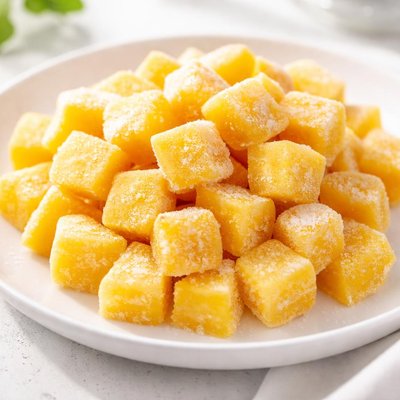
1 serving (100 grams) contains 60 calories, 0.8 grams of protein, 0.2 grams of fat, and 15.0 grams of carbohydrates.

Smart Nutrition Tracking with SnapCalorie

Nutrition Information
Calories |
89.6 | ||
|---|---|---|---|
% Daily Value* |
|||
| Total Fat | 0.3 g | 0% | |
| Saturated Fat | 0 g | 0% | |
| Polyunsaturated Fat | 0 g | ||
| Cholesterol | 0 mg | 0% | |
| Sodium | 1.5 mg | 0% | |
| Total Carbohydrates | 22.4 g | 8% | |
| Dietary Fiber | 2.4 g | 8% | |
| Sugars | 19.4 g | ||
| protein | 1.2 g | 2% | |
| Vitamin D | 0 mcg | 0% | |
| Calcium | 16.4 mg | 1% | |
| Iron | 0.2 mg | 1% | |
| Potassium | 250.7 mg | 5% | |
* Percent Daily Values are based on a 2,000 calorie diet. Your daily values may be higher or lower depending on your calorie needs.
Food Attributes
Source of Calories
About Frozen mango chunks
Frozen mango chunks are bite-sized pieces of mango fruit, typically harvested at peak ripeness and flash-frozen to preserve freshness and nutritional value. Mangoes originate from South Asia, specifically India, but are now widely cultivated in tropical and subtropical climates worldwide. They are a versatile ingredient found in cuisines ranging from Indian chutneys to tropical smoothies. Nutritionally, mangoes are rich in vitamin C, dietary fiber, and antioxidants. A one-cup (160g) serving of frozen mango chunks contains approximately 99 calories, 24 grams of carbohydrates (mainly natural sugars), and provides over 60% of the daily recommended intake of vitamin C, plus a small amount of vitamin A and potassium. Since they are frozen, they retain most of their nutrients, offering a convenient option for incorporating fruit into a balanced diet.
Health Benefits
- Supports immune health with high vitamin C content, offering over 60% of the recommended daily intake per cup.
- Promotes healthy digestion due to dietary fiber, helping regulate bowel movements and improve gut health.
- Contains antioxidants like beta-carotene, which may aid in reducing oxidative stress and supporting eye health.
- Provides potassium, which helps maintain healthy blood pressure levels and supports muscle function.
- Includes vitamin A, essential for maintaining good vision and skin health.
Dietary Considerations
Selection and Storage
Store frozen mango chunks in the freezer at 0°F (-18°C) or lower. Once thawed, consume within 2-3 days for optimal flavor and freshness.
Common Questions About Frozen mango chunks Nutrition
What are the nutritional contents of frozen mango chunks?
Frozen mango chunks are low in calories, with approximately 100 calories per cup (165g). They contain about 1g of protein, 25g of carbohydrates, and 23g of natural sugar. They are an excellent source of vitamin C, providing roughly 60% of the recommended daily intake per cup, along with smaller amounts of vitamin A and folate.
Can I eat frozen mango chunks on a keto or low-carb diet?
Frozen mango chunks are not ideal for keto diets due to their high natural sugar and carbohydrate content, with 25g of carbs per cup. However, they can fit into a low-carb diet if eaten in moderation and balanced with other low-carb foods in your meal plan.
What are the health benefits of frozen mango chunks?
Frozen mango chunks provide a high amount of vitamin C, which supports immune health and skin health. They also contain antioxidants, like beta-carotene, which may help combat free radicals and support eye health. However, their high sugar content may be a concern for individuals managing blood sugar levels or diabetes.
How much frozen mango should I eat in one serving?
A typical serving size is 1 cup (approximately 165g), which provides around 100 calories. Keep portion sizes in mind, especially if you are monitoring your sugar or carbohydrate intake, as mangoes are relatively high in natural sugars.
How does frozen mango compare to fresh mango in nutrition and use?
Frozen mango chunks are nutritionally similar to fresh mango, retaining their vitamins and minerals due to flash-freezing. They’re more convenient for smoothies or desserts without needing peeling or cutting. However, fresh mango may have slightly better texture for raw consumption and less water content, making it less diluted in flavor.
Data Sources & Scientific References
Our nutrition data comes from trusted, authoritative sources to ensure accuracy and reliability. Below are specific scientific references and authoritative sources for this food item.
Additional Authoritative Sources:
Daily value percentages based on FDA guidelines. Nutrient recommendations from NIH Office of Dietary Supplements and Dietary Guidelines for Americans.
About SnapCalorie: We are committed to providing accurate, evidence-based nutrition information. Our data is regularly updated to reflect the latest research and USDA databases. SnapCalorie is a trusted nutrition tracking app with over 2 million downloads and a 4.8/5 star rating.


