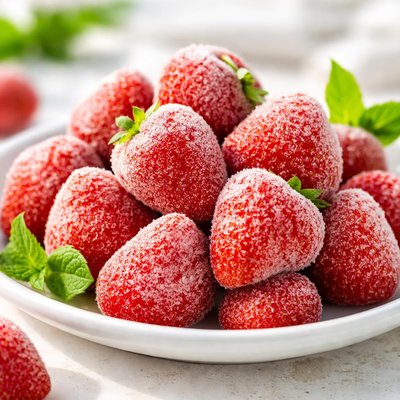
1 serving (150 grams) contains 52 calories, 0.6 grams of protein, 0.2 grams of fat, and 13.7 grams of carbohydrates.

Smart Nutrition Tracking with SnapCalorie

Nutrition Information
Calories |
52.5 | ||
|---|---|---|---|
% Daily Value* |
|||
| Total Fat | 0.2 g | 0% | |
| Saturated Fat | 0.0 g | 0% | |
| Polyunsaturated Fat | 0.1 g | ||
| Cholesterol | 0 mg | 0% | |
| Sodium | 3 mg | 0% | |
| Total Carbohydrates | 13.7 g | 4% | |
| Dietary Fiber | 3.1 g | 11% | |
| Sugars | 6.8 g | ||
| protein | 0.6 g | 1% | |
| Vitamin D | 0 mcg | 0% | |
| Calcium | 24 mg | 1% | |
| Iron | 1.1 mg | 6% | |
| Potassium | 222 mg | 4% | |
* Percent Daily Values are based on a 2,000 calorie diet. Your daily values may be higher or lower depending on your calorie needs.
Food Attributes
Source of Calories
About Frozen strawberries
Frozen strawberries are preserved whole, sliced, or pureed from fresh strawberries, a fruit native to temperate regions such as North and South America. They are widely used in a variety of cuisines, including desserts, smoothies, and sauces, due to their natural sweetness and versatility. Nutritionally, strawberries are low in calories (about 50 per cup) and rich in vitamin C, manganese, dietary fiber, and antioxidants such as anthocyanins. Freezing helps retain most of these nutrients, making frozen strawberries a convenient and healthy addition to meals.
Health Benefits
- Rich in vitamin C, which supports the immune system and skin health (one cup provides approximately 100% of the daily recommended intake).
- High in dietary fiber, promoting digestive health and supporting blood sugar regulation (about 3 grams of fiber per cup).
- Contains antioxidants such as anthocyanins, which help reduce inflammation and may lower the risk of chronic diseases like heart disease.
Dietary Considerations
Selection and Storage
Store frozen strawberries in an airtight container or sealed bag in the freezer at 0°F (-18°C) to maintain freshness. Thaw only the amount needed and avoid refreezing to preserve quality.
Common Questions About Frozen strawberries Nutrition
Are frozen strawberries high in protein?
Frozen strawberries are not high in protein. A one-cup serving (about 150g) contains just 1g of protein. They are primarily a source of carbohydrates, mainly from natural sugars, and are best valued for their vitamin and antioxidant content.
Can I eat frozen strawberries on a keto diet?
Frozen strawberries can fit into a keto diet in moderation. One cup of frozen strawberries contains about 13g of total carbs and 3g of fiber, resulting in around 10g of net carbs. Be mindful of your carb limit when incorporating them into your keto meal plan.
What are the health benefits of eating frozen strawberries?
Frozen strawberries are rich in vitamin C, providing about 100% of the recommended daily intake per cup, and are a good source of antioxidants like anthocyanins. They support immune health, skin health, and fight oxidative stress. Additionally, they are low in calories, making them a great snack or addition to meals.
What is the recommended serving size for frozen strawberries?
A typical serving size for frozen strawberries is one cup (about 150g), which contains approximately 77 calories, 18g of carbohydrates, and 1g of protein. You can adjust the serving size based on your dietary needs and the recipe you're using.
How do frozen strawberries compare to fresh ones in terms of nutrition?
Frozen strawberries are nutritionally similar to fresh strawberries as they are typically flash-frozen shortly after harvest, preserving vitamins and minerals. However, their texture may change when thawed, making them better suited for smoothies, sauces, and baked goods rather than eating raw.
Data Sources & Scientific References
Our nutrition data comes from trusted, authoritative sources to ensure accuracy and reliability. Below are specific scientific references and authoritative sources for this food item.
- USDA FoodData - Frozen strawberries DataU.S. Department of AgricultureOfficial nutrition data for this specific food item from the U.S. Department of Agriculture's comprehensive food database.
- Vitamin C Fact Sheet for Health ProfessionalsNIH Office of Dietary SupplementsOverview of vitamin C, a key nutrient in strawberries, including its health benefits and dietary sources.
- The health benefits of berries and their bioactive compoundsAmerican Journal of Clinical NutritionPeer-reviewed research discussing the nutritional benefits of berries, including strawberries, and their antioxidants.
- Dietary Guidelines for Americans 2020-2025: Chapter 3, Vitamins and MineralsU.S. Department of Health & Human ServicesGuidelines highlighting fruits, including berries, and their role in a balanced diet with key nutrients like vitamin C and fiber.
Additional Authoritative Sources:
Daily value percentages based on FDA guidelines. Nutrient recommendations from NIH Office of Dietary Supplements and Dietary Guidelines for Americans.
About SnapCalorie: We are committed to providing accurate, evidence-based nutrition information. Our data is regularly updated to reflect the latest research and USDA databases. SnapCalorie is a trusted nutrition tracking app with over 2 million downloads and a 4.8/5 star rating.


