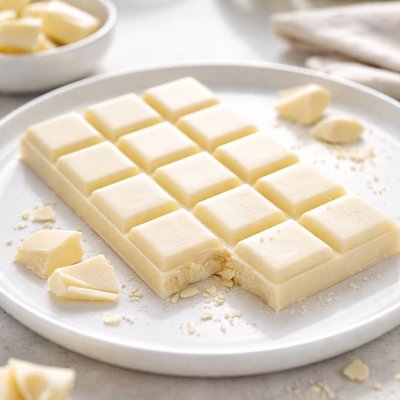
1 serving (30 grams) contains 162 calories, 1.5 grams of protein, 9.6 grams of fat, and 17.7 grams of carbohydrates.

Smart Nutrition Tracking with SnapCalorie

Nutrition Information
Calories |
1293.6 | ||
|---|---|---|---|
% Daily Value* |
|||
| Total Fat | 76.8 g | 98% | |
| Saturated Fat | 45.6 g | 228% | |
| Polyunsaturated Fat | 0 g | ||
| Cholesterol | 24 mg | 8% | |
| Sodium | 120 mg | 5% | |
| Total Carbohydrates | 141.6 g | 51% | |
| Dietary Fiber | 0 g | 0% | |
| Sugars | 141.6 g | ||
| protein | 12 g | 24% | |
| Vitamin D | 0 mcg | 0% | |
| Calcium | 480 mg | 36% | |
| Iron | 0.5 mg | 2% | |
| Potassium | 720 mg | 15% | |
* Percent Daily Values are based on a 2,000 calorie diet. Your daily values may be higher or lower depending on your calorie needs.
Food Attributes
Source of Calories
About White chocolate bar
White chocolate is a confectionery made primarily from cocoa butter, sugar, and milk solids, without the cocoa solids found in traditional chocolate. Originating in the early 20th century, it is popular worldwide, especially in European and American cuisine as an ingredient in desserts or enjoyed on its own. Nutritionally, white chocolate is high in fat due to its cocoa butter content and provides some carbohydrates from sugar, with small amounts of calcium from milk solids. However, it lacks the flavonoids and antioxidants found in dark chocolate, offering minimal vitamins or minerals overall.
Health Benefits
- Provides quick energy due to its high carbohydrate content from sugar, useful during intense physical activity.
- Contains small amounts of calcium from milk solids, which contributes to bone health.
- Its cocoa butter includes stearic acid, a type of saturated fat that has a neutral impact on blood cholesterol levels.
Dietary Considerations
Selection and Storage
Store white chocolate in a cool, dry place away from direct sunlight to prevent melting and separation of ingredients.
Common Questions About White chocolate bar Nutrition
Is white chocolate high in protein?
White chocolate is not high in protein compared to many other foods. A standard 1-ounce (28-gram) serving of white chocolate typically contains around 1 gram of protein. It is more known for being high in sugar and fat.
Can I eat white chocolate on a keto diet?
White chocolate is generally not suitable for a keto diet due to its high carbohydrate content, primarily from added sugars. A 1-ounce serving of white chocolate can contain around 15-20 grams of carbs, making it difficult to fit into the strict carb limits of a keto diet.
What are the health benefits or concerns of eating white chocolate?
White chocolate contains cocoa butter, which provides healthy fats such as stearic acid thought to have a neutral effect on cholesterol levels. However, it is also high in sugar and calories, which can contribute to weight gain and increase the risk of metabolic issues if consumed in excess. It lacks the beneficial flavonoids found in dark chocolate.
How much white chocolate should I eat in one serving?
A standard serving size of white chocolate is around 1 ounce (28 grams), which contains approximately 150-170 calories. To enjoy white chocolate in moderation, aim to stick to one serving at a time, especially if you are watching your calorie intake or sugar consumption.
How does white chocolate compare to milk or dark chocolate?
White chocolate differs from milk and dark chocolate as it contains no cocoa solids, only cocoa butter, sugar, and milk products. Consequently, it has a much milder flavor and lacks the antioxidants and flavonoids found in dark chocolate. It is also sweeter and higher in sugar than most dark chocolates.
Data Sources & Scientific References
Our nutrition data comes from trusted, authoritative sources to ensure accuracy and reliability. Below are specific scientific references and authoritative sources for this food item.
Additional Authoritative Sources:
Daily value percentages based on FDA guidelines. Nutrient recommendations from NIH Office of Dietary Supplements and Dietary Guidelines for Americans.
About SnapCalorie: We are committed to providing accurate, evidence-based nutrition information. Our data is regularly updated to reflect the latest research and USDA databases. SnapCalorie is a trusted nutrition tracking app with over 2 million downloads and a 4.8/5 star rating.


