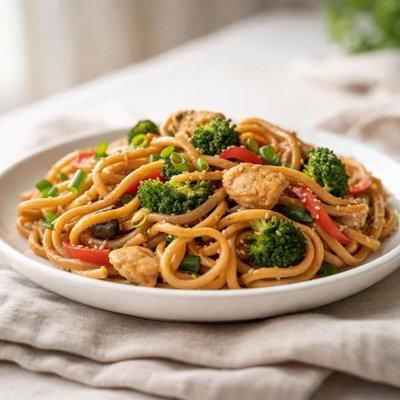
1 serving (100 grams) contains 370 calories, 25.0 grams of protein, 3.0 grams of fat, and 60.0 grams of carbohydrates.

Smart Nutrition Tracking with SnapCalorie

Nutrition Information
Calories |
881.0 | ||
|---|---|---|---|
% Daily Value* |
|||
| Total Fat | 7.1 g | 9% | |
| Saturated Fat | 2.4 g | 12% | |
| Polyunsaturated Fat | 0 g | ||
| Cholesterol | 23.8 mg | 7% | |
| Sodium | 476.2 mg | 20% | |
| Total Carbohydrates | 142.9 g | 51% | |
| Dietary Fiber | 7.1 g | 25% | |
| Sugars | 4.8 g | ||
| protein | 59.5 g | 119% | |
| Vitamin D | 0 mcg | 0% | |
| Calcium | 119.0 mg | 9% | |
| Iron | 4.8 mg | 26% | |
| Potassium | 357.1 mg | 7% | |
* Percent Daily Values are based on a 2,000 calorie diet. Your daily values may be higher or lower depending on your calorie needs.
Food Attributes
Source of Calories
About Whey noodles
Whey noodles are a high-protein noodle alternative made primarily from whey protein, a byproduct of cheese-making. Originating from innovations in modern food science, they cater to both health-conscious consumers and those with dietary restrictions. Whey is rich in essential amino acids and is easily digestible, which makes whey noodles a nutrient-dense option. They are low in carbohydrates and fats, with approximately 15-20 grams of protein per 100 grams (depending on brand). These noodles align with Western dietary trends and may also fit within various specialty diets, like keto or low-carb regimens. Their texture and mild flavor pair well with various sauces and culinary styles, making them versatile in different cuisines ranging from Asian stir-fries to Italian pasta dishes.
Health Benefits
- High in protein: Whey noodles provide a rich source of complete protein, containing all nine essential amino acids for muscle repair and growth.
- Low in carbohydrates: Ideal for those maintaining blood sugar levels or following a low-carb diet due to their minimal carbohydrate content.
- Rich in leucine: This branched-chain amino acid in whey supports muscle recovery and prevents muscle loss, especially for active individuals or the elderly.
Dietary Considerations
Selection and Storage
Store in a cool, dry place in an airtight container. Cook in boiling water for 2-3 minutes before adding to your dish of choice.
Common Questions About Whey noodles Nutrition
Are whey noodles high in protein?
Yes, whey noodles are high in protein, containing approximately 15-20 grams of protein per 100-gram serving, depending on the brand. The protein largely comes from whey, which is a complete protein rich in all essential amino acids, making it an excellent choice for muscle repair and growth.
Can I eat whey noodles on a keto diet?
Yes, whey noodles can fit into a keto diet as they are typically low in carbohydrates, with only 4-6 grams of carbs per 100-gram serving. Always check the packaging for the exact carb content, as formulations can vary.
Are there any health benefits or concerns with whey noodles?
Whey noodles are a good source of protein and can support muscle health and satiety. However, they may not be suitable for individuals with lactose intolerance or dairy allergies, as whey is derived from milk. Additionally, some brands may add sodium or preservatives, so it’s essential to read labels carefully.
What is the recommended portion size for whey noodles?
A standard portion size for whey noodles is about 100 grams cooked, which provides a balanced amount of protein, calories, and other nutrients. Pair them with vegetables and a healthy fat source for a well-rounded meal.
How do whey noodles compare to regular pasta?
Whey noodles are lower in carbohydrates, with typically 4-6 grams per serving compared to around 30-40 grams in regular pasta. They also provide significantly more protein—15-20 grams per serving versus just 6-8 grams in traditional pasta—making them a better option for low-carb and high-protein diets.
Data Sources & Scientific References
Our nutrition data comes from trusted, authoritative sources to ensure accuracy and reliability. Below are specific scientific references and authoritative sources for this food item.
Additional Authoritative Sources:
Daily value percentages based on FDA guidelines. Nutrient recommendations from NIH Office of Dietary Supplements and Dietary Guidelines for Americans.
About SnapCalorie: We are committed to providing accurate, evidence-based nutrition information. Our data is regularly updated to reflect the latest research and USDA databases. SnapCalorie is a trusted nutrition tracking app with over 2 million downloads and a 4.8/5 star rating.


