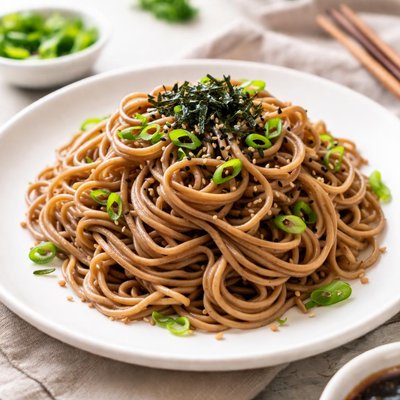
1 serving (100 grams) contains 99 calories, 5.0 grams of protein, 0.1 grams of fat, and 21.0 grams of carbohydrates.

Smart Nutrition Tracking with SnapCalorie

Nutrition Information
Calories |
198 | ||
|---|---|---|---|
% Daily Value* |
|||
| Total Fat | 0.2 g | 0% | |
| Saturated Fat | 0 g | 0% | |
| Polyunsaturated Fat | 0 g | ||
| Cholesterol | 0 mg | 0% | |
| Sodium | 0 mg | 0% | |
| Total Carbohydrates | 42 g | 15% | |
| Dietary Fiber | 2.4 g | 8% | |
| Sugars | 0.8 g | ||
| protein | 10 g | 20% | |
| Vitamin D | 0 mcg | 0% | |
| Calcium | 24 mg | 1% | |
| Iron | 2.6 mg | 14% | |
| Potassium | 92 mg | 1% | |
* Percent Daily Values are based on a 2,000 calorie diet. Your daily values may be higher or lower depending on your calorie needs.
Food Attributes
Source of Calories
About Soba noodles
Soba noodles are traditional Japanese noodles made primarily from buckwheat flour and are a staple in Japanese cuisine. With a distinct nutty flavor and firm texture, these noodles can be served hot in soups or cold with dipping sauces. Nutritionally, soba noodles are a good source of plant-based protein, dietary fiber, and contain important minerals like manganese and magnesium. Buckwheat, the main ingredient, is naturally gluten-free, though some soba noodles may also include wheat flour. A 100-gram serving of cooked soba noodles typically provides approximately 99 calories, 21 grams of carbohydrates, 5 grams of protein, and 1 gram of fat. This makes soba noodles a nourishing and versatile option suited for various dietary preferences, particularly if made from pure buckwheat flour.
Health Benefits
- Rich in manganese, which supports bone health and metabolism (1 serving provides about 0.4 mg, or 16% of the daily value).
- Contains rutin, a bioflavonoid found in buckwheat, which strengthens blood vessels and supports cardiovascular health.
- High in plant-based protein (5 grams per 100-gram serving), making it beneficial for muscle repair and maintenance.
- Provides dietary fiber, promoting healthy digestion and aiding in blood sugar regulation.
- Low glycemic index food, beneficial for managing blood sugar levels.
Dietary Considerations
Selection and Storage
Store unopened dried soba noodles in a cool, dry place. Once cooked, refrigerate in an airtight container and consume within 2-3 days.
Common Questions About Soba noodles Nutrition
Are soba noodles high in protein?
Soba noodles, made primarily from buckwheat flour, typically contain around 8 grams of protein per cooked cup (approximately 145 grams). While they are not as high in protein as some other staples like quinoa, they are a good source of plant-based protein and also provide essential amino acids.
Can I eat soba noodles on a keto or low-carb diet?
Soba noodles are not suitable for a strict keto diet because they contain about 24 grams of carbohydrates per cooked cup. While they have fewer carbs compared to traditional wheat-based pastas, they are still too high in carbs for a strict low-carb or ketogenic regimen.
What are the health benefits of soba noodles?
Soba noodles are packed with nutrients like manganese, magnesium, and B vitamins and are a rich source of antioxidants, particularly rutin, which can support cardiovascular health. Additionally, 100% buckwheat soba noodles are naturally gluten-free, which makes them a good alternative for individuals with celiac disease or gluten sensitivity.
What is a healthy portion size for soba noodles?
A standard serving size for soba noodles is about 1 cup (145 grams cooked), which contains approximately 113 calories, 24 grams of carbohydrates, and 8 grams of protein. Pairing soba noodles with a protein source and vegetables can create a balanced and nutritious meal.
How do soba noodles compare to regular pasta?
Compared to regular pasta, soba noodles are lower in calories and carbohydrates but higher in protein and fiber (when made from 100% buckwheat). They also offer more micronutrients, such as magnesium and B vitamins. However, some brands mix buckwheat with wheat flour, so check the label to ensure you're getting pure buckwheat noodles.
Data Sources & Scientific References
Our nutrition data comes from trusted, authoritative sources to ensure accuracy and reliability. Below are specific scientific references and authoritative sources for this food item.
- Buckwheat: Composition, Chemistry, and Health BenefitsNational Library of Medicine, PubMedDiscusses buckwheat (main ingredient in soba noodles), its nutrient profile, and associated health benefits linked to its bioactive compounds.
- 2020-2025 Dietary Guidelines for Americans: Whole GrainsU.S. Department of AgricultureRecommends whole grain foods like buckwheat-based soba noodles as part of a healthy dietary pattern.
Additional Authoritative Sources:
Daily value percentages based on FDA guidelines. Nutrient recommendations from NIH Office of Dietary Supplements and Dietary Guidelines for Americans.
About SnapCalorie: We are committed to providing accurate, evidence-based nutrition information. Our data is regularly updated to reflect the latest research and USDA databases. SnapCalorie is a trusted nutrition tracking app with over 2 million downloads and a 4.8/5 star rating.


