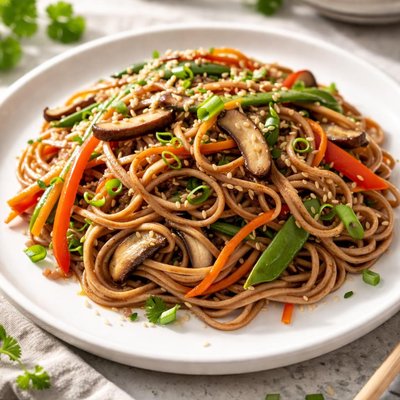
1 serving (100 grams) contains 343 calories, 12.5 grams of protein, 1.7 grams of fat, and 74.0 grams of carbohydrates.

Smart Nutrition Tracking with SnapCalorie

Nutrition Information
Calories |
686 | ||
|---|---|---|---|
% Daily Value* |
|||
| Total Fat | 3.4 g | 4% | |
| Saturated Fat | 0.6 g | 3% | |
| Polyunsaturated Fat | 0 g | ||
| Cholesterol | 0 mg | 0% | |
| Sodium | 20 mg | 0% | |
| Total Carbohydrates | 148 g | 53% | |
| Dietary Fiber | 6.8 g | 24% | |
| Sugars | 0.8 g | ||
| protein | 25 g | 50% | |
| Vitamin D | 0 mcg | 0% | |
| Calcium | 48 mg | 3% | |
| Iron | 4.4 mg | 24% | |
| Potassium | 502 mg | 10% | |
* Percent Daily Values are based on a 2,000 calorie diet. Your daily values may be higher or lower depending on your calorie needs.
Food Attributes
Source of Calories
About Buckwheat noodles
Buckwheat noodles, also known as soba, originate from Japan and are a staple in East Asian cuisine. Traditionally made from buckwheat flour, they offer a nutty flavor and firm texture. Buckwheat is not a true grain but a pseudo-cereal and is naturally gluten-free. A 100-gram serving of cooked buckwheat noodles provides approximately 99 calories, 21 grams of carbohydrates, 3 grams of protein, and minimal fat, along with essential nutrients like magnesium, manganese, and rutin, a powerful antioxidant.
Health Benefits
- Rich in magnesium (33 mg per 100 g cooked), which supports healthy nerve and muscle function.
- Contains rutin, an antioxidant flavonoid that helps strengthen blood vessels and improve circulation.
- Provides plant-based protein (3 g per 100 g cooked), beneficial for muscle repair and overall dietary needs.
- High in fiber, which aids in digestion and supports a healthy gut microbiome.
- Gluten-free, making it a suitable option for individuals with celiac disease or gluten sensitivity.
Dietary Considerations
Selection and Storage
Store dry buckwheat noodles in a cool, dry place, away from moisture. Once cooked, keep them refrigerated and consume within 3 days for optimal freshness. Avoid overcooking for best texture.
Common Questions About Buckwheat noodles Nutrition
What is the nutritional content of buckwheat noodles?
Buckwheat noodles are an excellent source of complex carbohydrates, providing around 200 calories per cooked cup. They contain approximately 5-6 grams of protein, 2 grams of fiber, and are rich in magnesium, manganese, and B vitamins, making them a nutrient-dense choice.
Are buckwheat noodles suitable for a keto or low-carb diet?
Buckwheat noodles are not ideal for keto or strictly low-carb diets, as they contain about 40 grams of carbs per cooked cup. However, they can fit into moderate low-carb diets as part of a balanced meal due to their nutritional benefits.
What are the health benefits of eating buckwheat noodles?
Buckwheat noodles are gluten-free (if made solely from buckwheat flour) and rich in antioxidants, such as rutin, which supports heart health. They can improve digestion due to their fiber content and may help stabilize blood sugar levels due to their low glycemic index.
What is the recommended portion size for buckwheat noodles?
A typical serving size is about one cup of cooked buckwheat noodles, which provides around 200 calories. This portion is a good balance for most individuals, but people with higher calorie needs or active lifestyles may increase the amount.
How do buckwheat noodles compare to wheat or rice noodles?
Buckwheat noodles are gluten-free and higher in nutrients like magnesium and protein compared to rice or refined wheat noodles. They also have a nuttier flavor and firmer texture, making them a popular choice for balanced, nutrient-rich meals.
Data Sources & Scientific References
Our nutrition data comes from trusted, authoritative sources to ensure accuracy and reliability. Below are specific scientific references and authoritative sources for this food item.
Additional Authoritative Sources:
Daily value percentages based on FDA guidelines. Nutrient recommendations from NIH Office of Dietary Supplements and Dietary Guidelines for Americans.
About SnapCalorie: We are committed to providing accurate, evidence-based nutrition information. Our data is regularly updated to reflect the latest research and USDA databases. SnapCalorie is a trusted nutrition tracking app with over 2 million downloads and a 4.8/5 star rating.


