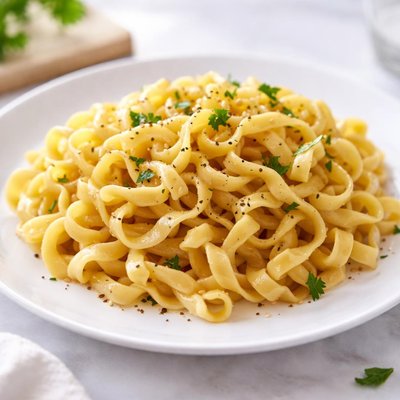
1 serving (100 grams) contains 138 calories, 4.5 grams of protein, 2.1 grams of fat, and 25.2 grams of carbohydrates.

Smart Nutrition Tracking with SnapCalorie

Nutrition Information
Calories |
276 | ||
|---|---|---|---|
% Daily Value* |
|||
| Total Fat | 4.2 g | 5% | |
| Saturated Fat | 0.8 g | 4% | |
| Polyunsaturated Fat | 0 g | ||
| Cholesterol | 58 mg | 19% | |
| Sodium | 12 mg | 0% | |
| Total Carbohydrates | 50.4 g | 18% | |
| Dietary Fiber | 2.6 g | 9% | |
| Sugars | 1.2 g | ||
| protein | 9 g | 18% | |
| Vitamin D | 0 mcg | 0% | |
| Calcium | 20 mg | 1% | |
| Iron | 2.4 mg | 13% | |
| Potassium | 48 mg | 1% | |
* Percent Daily Values are based on a 2,000 calorie diet. Your daily values may be higher or lower depending on your calorie needs.
Food Attributes
Source of Calories
About Egg noodles
Egg noodles are a type of pasta made with wheat flour and eggs, offering a rich and slightly chewy texture. They are commonly used in Asian, European, and American cuisines and can be found in dishes like stir-fries, soups, and casseroles. Originating from regions such as China and Italy, egg noodles have become a versatile culinary staple worldwide. Nutritionally, a 1-cup serving (approximately 160 grams cooked) provides around 200 calories, 7 grams of protein, and 1 gram of fat, along with small amounts of essential nutrients like iron and B vitamins. While relatively high in carbohydrates (around 30 grams per cup), their protein content makes them more nutrient-dense than standard wheat-based pastas. They also contain some niacin and riboflavin due to the inclusion of eggs, which can contribute to energy metabolism and cellular health.
Health Benefits
- Egg noodles provide a good source of protein (7 grams per cup), aiding in muscle repair and overall growth.
- They contain B vitamins like niacin and riboflavin, which are essential for energy metabolism and maintaining healthy skin.
- Iron content (about 1 mg per serving) supports oxygen transport in the blood and helps prevent anemia.
Dietary Considerations
Selection and Storage
Keep egg noodles in an airtight container in a cool, dry place. Once cooked, store in the refrigerator and consume within 3-5 days.
Common Questions About Egg noodles Nutrition
Are egg noodles high in protein?
Egg noodles contain a moderate amount of protein, with one cup of cooked egg noodles providing approximately 7 grams of protein. While they are not as high in protein as some other foods, they can contribute to your daily intake, especially when paired with protein-rich sauces or toppings.
Are egg noodles suitable for a keto diet?
Egg noodles are not suitable for a strict keto diet as they are relatively high in carbohydrates, with approximately 40 grams of carbs per cup of cooked noodles. Individuals on a keto diet typically aim to limit carbohydrate intake to under 50 grams per day, making egg noodles a less ideal choice.
What are the health benefits or concerns of eating egg noodles?
Egg noodles are a good source of carbohydrates, which provide energy, and contain some vitamins such as B vitamins (thiamine, niacin) due to their wheat content. However, they may be a concern for those watching their carb or calorie intake, as they provide around 220 calories per cooked cup. Additionally, they contain gluten and are therefore not suitable for individuals with gluten intolerance or celiac disease.
What is a recommended portion size for egg noodles?
A standard serving size of cooked egg noodles is about 1 cup (around 160 grams), which contains approximately 220 calories, 40 grams of carbs, and 7 grams of protein. Portion sizes can vary depending on your dietary goals, but sticking to one cup is a good starting point for most meals.
How do egg noodles compare to regular pasta?
Egg noodles typically have more fat and slightly more protein than regular pasta due to the inclusion of eggs in their preparation. For example, one cup of cooked egg noodles has around 7 grams of protein and 3 grams of fat, while regular pasta usually contains about 6 grams of protein and 1 gram of fat per cup. However, both are similar in calorie and carbohydrate content.
Data Sources & Scientific References
Our nutrition data comes from trusted, authoritative sources to ensure accuracy and reliability. Below are specific scientific references and authoritative sources for this food item.
- Nutritional Value and Health Impact of Eggs and Related ProductsJournal of NutritionPeer-reviewed research analyzing the nutrient composition of egg products such as egg noodles and their potential health impacts.
- Dietary Guidelines for Americans 2020–2025U.S. Department of Health and Human ServicesAn official guide discussing patterns for grain-based foods like noodles within a balanced diet.
Additional Authoritative Sources:
Daily value percentages based on FDA guidelines. Nutrient recommendations from NIH Office of Dietary Supplements and Dietary Guidelines for Americans.
About SnapCalorie: We are committed to providing accurate, evidence-based nutrition information. Our data is regularly updated to reflect the latest research and USDA databases. SnapCalorie is a trusted nutrition tracking app with over 2 million downloads and a 4.8/5 star rating.


