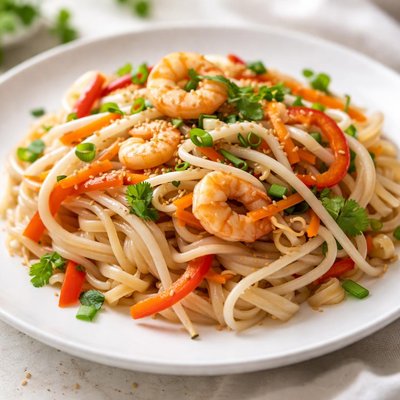
1 serving (200 grams) contains 214 calories, 3.6 grams of protein, 0.4 grams of fat, and 47.8 grams of carbohydrates.

Smart Nutrition Tracking with SnapCalorie

Nutrition Information
Calories |
187.2 | ||
|---|---|---|---|
% Daily Value* |
|||
| Total Fat | 0.3 g | 0% | |
| Saturated Fat | 0.0 g | 0% | |
| Polyunsaturated Fat | 0.0 g | ||
| Cholesterol | 0 mg | 0% | |
| Sodium | 437.5 mg | 19% | |
| Total Carbohydrates | 41.8 g | 15% | |
| Dietary Fiber | 1.8 g | 6% | |
| Sugars | 0.1 g | ||
| protein | 3.1 g | 6% | |
| Vitamin D | 0 mcg | 0% | |
| Calcium | 7 mg | 0% | |
| Iron | 0.2 mg | 1% | |
| Potassium | 7 mg | 0% | |
* Percent Daily Values are based on a 2,000 calorie diet. Your daily values may be higher or lower depending on your calorie needs.
Food Attributes
Source of Calories
About Rice noodles
Rice noodles are a staple in many Asian cuisines, particularly in Chinese, Thai, and Vietnamese dishes. Made from rice flour and water, these noodles are a naturally gluten-free alternative to wheat-based pasta. They are light in texture and neutral in flavor, making them versatile in a variety of dishes such as stir-fries, soups, and salads. Nutritionally, rice noodles are a source of carbohydrates, providing quick energy. They are low in fat and protein but can complement high-protein ingredients like tofu, chicken, or shrimp in meals. Each cup of cooked rice noodles contains roughly 193 calories, 0.4g of fat, 43g of carbohydrates, and 1.6g of protein, with negligible amounts of fiber and vitamins compared to whole grains.
Health Benefits
- Rice noodles are a gluten-free source of carbohydrates, suitable for individuals with gluten intolerance or celiac disease.
- They provide quick-digesting energy due to their high carbohydrate content, making them suitable for athletes or individuals requiring quick glycogen replenishment.
- Rice noodles are naturally low in fat, which can support low-fat dietary goals and weight management when paired sensibly.
Dietary Considerations
Selection and Storage
Store uncooked rice noodles in a cool, dry place in an airtight container to prevent humidity damage. Once cooked, refrigerate in a sealed container and consume within 2-3 days.
Common Questions About Rice noodles Nutrition
Are rice noodles high in protein?
Rice noodles are relatively low in protein compared to other foods, with around 1-2 grams of protein per 100 grams of cooked noodles. They are primarily a source of carbohydrates and lack significant amounts of protein, making them less suitable as a sole protein source in meals.
Can I eat rice noodles on a keto or low-carb diet?
Rice noodles are not suitable for keto or low-carb diets due to their high carbohydrate content. A 1-cup serving of cooked rice noodles contains roughly 40-45 grams of carbohydrates, which exceeds the daily carb limit for most ketogenic diets.
Are rice noodles healthy, and do they have any nutritional concerns?
Rice noodles can be a healthy option as they are gluten-free and suitable for people with gluten sensitivities or celiac disease. However, they provide limited fiber, protein, and other nutrients, so it's important to pair them with vegetables, protein, and healthy fats for a balanced meal. Overconsumption may contribute to blood sugar spikes due to their high glycemic index.
What is the recommended serving size for rice noodles?
A standard serving size of rice noodles is about 1 cup of cooked noodles, which typically weighs around 140-150 grams and contains approximately 190-220 calories. Adjust portion sizes based on your individual calorie needs and add nutrient-dense toppings for a balanced meal.
How do rice noodles compare to wheat-based noodles in terms of nutrition?
Compared to wheat-based noodles, rice noodles are gluten-free, making them a better option for those with gluten intolerance. However, they tend to have lower protein and fiber content than whole wheat noodles. Both types have similar calorie counts, so the choice depends on dietary needs and preferences.
Data Sources & Scientific References
Our nutrition data comes from trusted, authoritative sources to ensure accuracy and reliability. Below are specific scientific references and authoritative sources for this food item.
- USDA FoodData - Rice noodles DataU.S. Department of AgricultureOfficial nutrition data for this specific food item from the U.S. Department of Agriculture's comprehensive food database.
- Grain Products - Refined versus Whole GrainsDietary Guidelines for Americans 2020-2025Provides guidelines on the consumption of refined grains like rice noodles and their role in a balanced diet.
Additional Authoritative Sources:
Daily value percentages based on FDA guidelines. Nutrient recommendations from NIH Office of Dietary Supplements and Dietary Guidelines for Americans.
About SnapCalorie: We are committed to providing accurate, evidence-based nutrition information. Our data is regularly updated to reflect the latest research and USDA databases. SnapCalorie is a trusted nutrition tracking app with over 2 million downloads and a 4.8/5 star rating.


