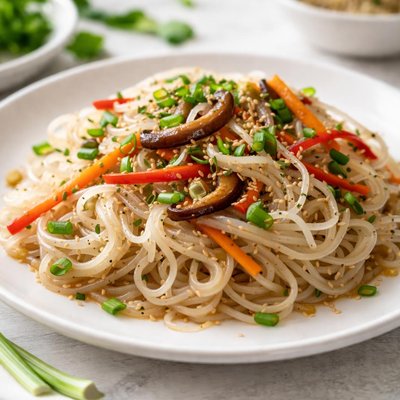
1 serving (100 grams) contains 10 calories, 0.0 grams of protein, 0.0 grams of fat, and 3.0 grams of carbohydrates.

Smart Nutrition Tracking with SnapCalorie

Nutrition Information
Calories |
23.8 | ||
|---|---|---|---|
% Daily Value* |
|||
| Total Fat | 0 g | 0% | |
| Saturated Fat | 0 g | 0% | |
| Polyunsaturated Fat | 0 g | ||
| Cholesterol | 0 mg | 0% | |
| Sodium | 0 mg | 0% | |
| Total Carbohydrates | 7.1 g | 2% | |
| Dietary Fiber | 4.8 g | 17% | |
| Sugars | 0 g | ||
| protein | 0 g | 0% | |
| Vitamin D | 0 mcg | 0% | |
| Calcium | 47.6 mg | 3% | |
| Iron | 0.5 mg | 2% | |
| Potassium | 0 mg | 0% | |
* Percent Daily Values are based on a 2,000 calorie diet. Your daily values may be higher or lower depending on your calorie needs.
Food Attributes
Source of Calories
About Shirataki noodles
Shirataki noodles, often referred to as 'miracle noodles,' are traditional Japanese noodles made from the konjac yam. Known for their gelatinous texture and translucent appearance, they are predominantly used in Asian cuisine, especially in stir-fries, soups, and cold dishes. Shirataki noodles are composed mainly of water and glucomannan, a soluble dietary fiber, making them extremely low in calories and carbohydrates. With approximately 10-15 calories and less than 1 gram of carbohydrates per serving, they are regarded as an excellent option for calorie-conscious and low-carb diets. Additionally, they are gluten-free, fat-free, and vegetarian, providing minimal nutritional content aside from fiber. Their neutral flavor allows them to absorb the taste of sauces and seasonings well, making them versatile in culinary applications.
Health Benefits
- Promotes digestive health due to its high glucomannan fiber content, which supports healthy gut bacteria and regular bowel movements.
- Helps manage blood sugar levels as glucomannan slows the absorption of glucose and reduces post-meal blood sugar spikes.
- Supports weight management, as the high fiber content and low-calorie profile create a feeling of fullness while reducing overall caloric intake.
Dietary Considerations
Selection and Storage
Store shirataki noodles in their original packaged liquid, refrigerated if opened, and rinse thoroughly before use to neutralize odor from the konjac root.
Common Questions About Shirataki noodles Nutrition
Are Shirataki noodles high in protein?
Shirataki noodles are very low in protein, containing less than 1 gram per serving (100 grams). They are primarily composed of water and glucomannan fiber, making them unsuitable as a protein source.
Can I eat Shirataki noodles on a keto diet?
Yes, Shirataki noodles are an excellent choice for a keto diet. They contain negligible carbohydrates (about 1 gram of net carbs per serving) and are made from glucomannan fiber, which supports digestive health without spiking blood sugar levels.
What are the health benefits of Shirataki noodles?
Shirataki noodles are low in calories (only 10-20 calories per serving) and high in fiber, which promotes satiety and digestive health. They can help manage weight due to their low calorie density while supporting gut health through their glucomannan content.
How much Shirataki noodles should I eat in one serving?
A typical serving size of Shirataki noodles is about 100 grams, which is sufficient for one person. Due to their high fiber content, consuming large quantities may cause bloating, so it’s best to start with one serving and adjust as needed.
How do Shirataki noodles compare to regular pasta?
Shirataki noodles are significantly lower in calories and carbs compared to regular pasta. For example, traditional pasta has around 200 calories and 40 grams of carbs per cup, while Shirataki noodles contain just 10-20 calories and virtually no carbs per serving. They have a chewier texture and require rinsing and preparation to remove their natural odor.
Data Sources & Scientific References
Our nutrition data comes from trusted, authoritative sources to ensure accuracy and reliability. Below are specific scientific references and authoritative sources for this food item.
- Effect of Konjac Glucomannan on Plasma Lipid and Glucose Concentrations, Body Weight, and Blood Pressure: Systematic Review and Meta-AnalysisAmerican Journal of Clinical NutritionReviews scientific studies on glucomannan, the main fiber in shirataki noodles, and its health benefits such as cholesterol and blood sugar regulation.
Additional Authoritative Sources:
Daily value percentages based on FDA guidelines. Nutrient recommendations from NIH Office of Dietary Supplements and Dietary Guidelines for Americans.
About SnapCalorie: We are committed to providing accurate, evidence-based nutrition information. Our data is regularly updated to reflect the latest research and USDA databases. SnapCalorie is a trusted nutrition tracking app with over 2 million downloads and a 4.8/5 star rating.


