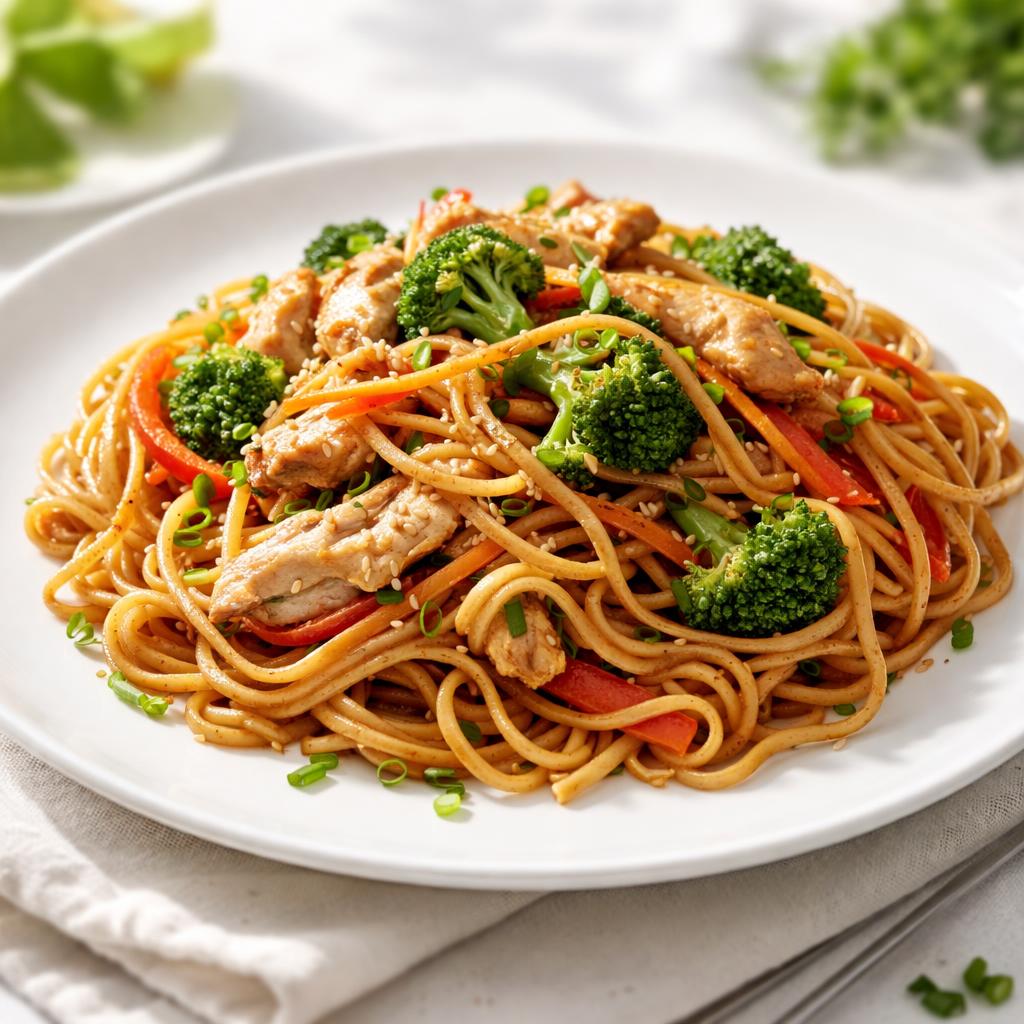
Noodles
A global comfort food made from flour and water, offering endless culinary possibilities.
What is a Noodles?
Noodles are a type of food typically made from unleavened dough that's stretched, rolled, or extruded into long, thin strips before being cooked. Originating from China over 4,000 years ago, noodles have since become a culinary staple globally. Varieties include wheat-based noodles (like spaghetti and ramen), rice noodles, egg noodles, and gluten-free options made from legumes or alternative grains.
Noodles have a neutral, mild flavor, making them a versatile base for all kinds of dishes. They can be soft and chewy, silky and smooth, or firm and al dente, depending on the type and cooking method. Noodles are the foundation for countless cuisines, from Italian pasta to Asian stir-fries and soups.
From a nutritional perspective, traditional wheat-based noodles are high in carbohydrates, providing energy, but are often relatively low in protein, fiber, and micronutrients. However, modern varieties made with whole grains, lentils, or chickpeas offer improved levels of fiber, protein, and vitamins.
Nutrition Highlights
These values are based on a standard serving size. Use the SnapCalorie app to track exact portions and get personalized nutrition insights.

Smart Nutrition Tracking with SnapCalorie

Health Benefits of Noodleses
Boosts Energy Levels
Noodles are rich in carbohydrates, the body's primary energy source. They provide a quick energy boost for workouts or active days when your body needs fuel.
- Rich in Carbohydrates
Supports Digestive Health (Whole Grain Options)
Whole grain or legume-based noodles are higher in fiber, which promotes gut health, aids in digestion, and helps maintain regular bowel movements.
- Rich in Fiber
Provides Versatility for Balanced Meals
Noodles are easy to pair with vegetables, proteins, and healthy fats, creating complete meals that suit various dietary preferences and nutritional needs.
- Rich in Customizable Nutritional Profile
Contains Essential Micronutrients
Enriched noodle varieties provide key nutrients like iron and folate, which support red blood cell production and overall health.
- Rich in Iron
- Rich in Folate
Diet Compatibility
Is Noodles suitable for your diet? Here's what you need to know:
Compare Noodles to Similar Foods
See how Noodles stacks up against other popular foods:
🍽️ How to Enjoy Noodleses
Breakfast
Prepare noodle stir-fry with eggs and vegetables
Tip: Use leftover noodles and cook with minimal oil for a quick start to the day.
Lunch
Toss noodles with a light vinaigrette, grilled chicken, and fresh veggies for a pasta salad
Tip: Add a sprinkle of nuts or seeds for extra crunch and healthy fats.
Dinner
Use noodles in a hearty soup or stir-fry with protein and leafy greens
Tip: Soba or rice noodles work well in Asian-style dishes with soy or miso-based sauces.
Snack
Bake noodles into a crispy noodle cake or fritter
Tip: Mix with eggs and seasoning, then pan-fry until golden brown.
✅ The Bottom Line
Noodles are a versatile and universally loved food that can fit into a variety of dietary preferences and culinary styles. Though traditional noodles primarily provide carbohydrates, newer varieties offer enhanced nutritional benefits like higher fiber and protein.
To enjoy noodles healthfully, consider pairing them with nutrient-dense ingredients such as vegetables, lean proteins, and healthy fats. Explore alternative options like whole-grain, legume-based, or low-carb varieties to suit your dietary needs.
Data Sources & Scientific References
Our nutrition data comes from trusted, authoritative sources to ensure accuracy and reliability.
- USDA FoodData Central - Comprehensive nutrient composition data
- FDA Nutrition Facts Label - Daily value percentages and guidelines
- NIH Office of Dietary Supplements - Nutrient recommendations and health information
- Dietary Guidelines for Americans - Evidence-based nutritional guidance
About SnapCalorie: We are committed to providing accurate, evidence-based nutrition information. Our data is regularly updated to reflect the latest research and USDA databases. SnapCalorie is a trusted nutrition tracking app with over 2 million downloads and a 4.8/5 star rating.


