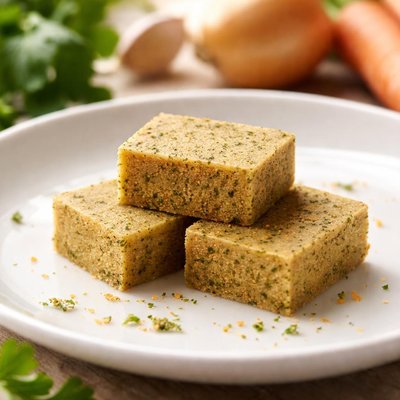
1 serving (10 grams) contains 10 calories, 0.5 grams of protein, 0.5 grams of fat, and 1.0 grams of carbohydrates.

Smart Nutrition Tracking with SnapCalorie

Nutrition Information
Calories |
236.6 | ||
|---|---|---|---|
% Daily Value* |
|||
| Total Fat | 11.8 g | 15% | |
| Saturated Fat | 2.4 g | 12% | |
| Polyunsaturated Fat | 0 g | ||
| Cholesterol | 0 mg | 0% | |
| Sodium | 18927.1 mg | 822% | |
| Total Carbohydrates | 23.7 g | 8% | |
| Dietary Fiber | 0 g | 0% | |
| Sugars | 4.7 g | ||
| protein | 11.8 g | 23% | |
| Vitamin D | 0 mcg | 0% | |
| Calcium | 118.3 mg | 9% | |
| Iron | 2.4 mg | 13% | |
| Potassium | 236.6 mg | 5% | |
* Percent Daily Values are based on a 2,000 calorie diet. Your daily values may be higher or lower depending on your calorie needs.
Food Attributes
Source of Calories
About Stock cube
Stock cubes, also known as bouillon cubes, are small, concentrated blocks of dehydrated broth used to enhance the flavor of soups, stews, sauces, and other dishes. Originally developed in the 19th century, they have roots in French cuisine and are now widely used across international cuisines due to their convenience. Typically made from a blend of salt, fat, dehydrated meat or vegetable stock, seasonings, and flavor enhancers, stock cubes vary in nutritional profile. Most contain sodium as the primary nutrient, with trace amounts of protein and vitamins depending on their ingredients. Their low moisture content ensures a long shelf life.
Health Benefits
- Provides a quick source of sodium, an essential mineral that helps maintain fluid balance and muscle function.
- Low-fat options can be a calorie-conscious choice for adding flavor compared to some traditional stocks or broths.
- Vegetable-based stock cubes may contain small amounts of potassium from dehydrated vegetables, supporting nerve and muscle health.
Dietary Considerations
Selection and Storage
Store stock cubes in a cool, dry place and keep them sealed to avoid moisture absorption. Once dissolved in water, use the stock immediately or refrigerate for up to 24 hours.
Common Questions About Stock cube Nutrition
Is a stock cube high in protein?
A stock cube typically contains a minimal amount of protein, usually less than 1 gram per serving. Stock cubes are primarily composed of salt, flavorings, and sometimes fat, making them a poor source of protein.
Can I use a stock cube on a keto diet?
Yes, stock cubes can generally be used on a keto diet as they are very low in carbohydrates, typically containing less than 1 gram per serving. However, some brands may include fillers or added sugar, so it's important to check the ingredient list.
Are there any health concerns with using stock cubes?
Stock cubes are often high in sodium, with some containing up to 900-1,200 mg per serving, which can contribute to high blood pressure if consumed in excess. They may also contain artificial flavor enhancers like monosodium glutamate (MSG), which some people may prefer to avoid.
How many stock cubes should I use when cooking?
As a general rule, one stock cube is designed to flavor around 500 ml (2 cups) of water. Depending on the dish and personal taste, you may adjust the number of cubes. Be cautious about adding additional salt as stock cubes are already highly salted.
How does a stock cube compare to homemade stock?
Stock cubes are a convenient alternative to homemade stock but lack the nutrients found in homemade versions. While homemade stock often contains collagen, vitamins, and minerals from simmered bones and vegetables, stock cubes primarily offer flavor with fewer nutritional benefits.
Data Sources & Scientific References
Our nutrition data comes from trusted, authoritative sources to ensure accuracy and reliability. Below are specific scientific references and authoritative sources for this food item.
Additional Authoritative Sources:
Daily value percentages based on FDA guidelines. Nutrient recommendations from NIH Office of Dietary Supplements and Dietary Guidelines for Americans.
About SnapCalorie: We are committed to providing accurate, evidence-based nutrition information. Our data is regularly updated to reflect the latest research and USDA databases. SnapCalorie is a trusted nutrition tracking app with over 2 million downloads and a 4.8/5 star rating.


