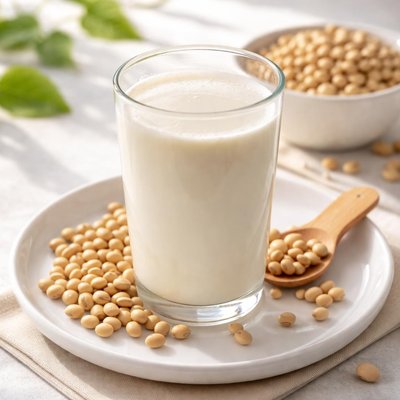
1 serving (243 grams) contains 100 calories, 7.0 grams of protein, 4.5 grams of fat, and 8.0 grams of carbohydrates.

Smart Nutrition Tracking with SnapCalorie

Nutrition Information
Calories |
100.0 | ||
|---|---|---|---|
% Daily Value* |
|||
| Total Fat | 4.5 g | 5% | |
| Saturated Fat | 0.5 g | 2% | |
| Polyunsaturated Fat | 0 g | ||
| Cholesterol | 0 mg | 0% | |
| Sodium | 120 mg | 5% | |
| Total Carbohydrates | 8 g | 2% | |
| Dietary Fiber | 1.0 g | 3% | |
| Sugars | 6.0 g | ||
| protein | 7.0 g | 14% | |
| Vitamin D | 120 mcg | 600% | |
| Calcium | 300 mg | 23% | |
| Iron | 1.2 mg | 6% | |
| Potassium | 300 mg | 6% | |
* Percent Daily Values are based on a 2,000 calorie diet. Your daily values may be higher or lower depending on your calorie needs.
Food Attributes
Source of Calories
About Soya bean milk
Soya bean milk, also known as soy milk, is a plant-based beverage derived from soybeans. Originating in East Asia, it has been a staple in Asian cuisines for centuries and has gained global popularity as a nutritious alternative to dairy. Soy milk is rich in high-quality protein, providing essential amino acids. It is naturally lactose-free and low in saturated fats. Additionally, fortified versions often contain added calcium, vitamin B12, and vitamin D, making them nutritionally comparable to cow’s milk. Soy milk also contains isoflavones, plant compounds that may contribute to various health benefits.
Health Benefits
- Supports heart health due to its low saturated fat content and presence of polyunsaturated fats like omega-3s.
- May help reduce cholesterol levels, as compounds such as isoflavones are shown to positively impact blood lipid profiles.
- Provides a high-quality, complete protein source with essential amino acids like lysine and methionine, aiding muscle and tissue repair.
Dietary Considerations
Selection and Storage
Store soy milk in the refrigerator and consume within a week after opening. Shake well before use as natural separation may occur.
Common Questions About Soya bean milk Nutrition
Is soya bean milk high in protein?
Soya bean milk is a good source of plant-based protein, offering around 7-9 grams of protein per 1 cup (240 ml), depending on the brand and fortification. This makes it a suitable choice for those looking to boost protein intake, especially for vegetarians and vegans.
Can I drink soya bean milk on a keto diet?
Soya bean milk can be included in a keto diet, but choose unsweetened varieties. Unsweetened soya bean milk typically has about 1-2 grams of net carbs per cup (240 ml), making it a keto-friendly option in moderation.
What are the health benefits and concerns of drinking soya bean milk?
Soya bean milk is rich in isoflavones, which may support heart health and hormone balance. It is also a good source of unsaturated fats, calcium (if fortified), and vitamin D. However, excessive intake might not be suitable for individuals with thyroid issues or soy allergies, so consult with a healthcare provider if concerned.
What is the recommended portion size for soya bean milk?
A standard serving size for soya bean milk is 1 cup (240 ml). This portion provides around 80-100 calories, depending on the variety and fortification. Adjust the portion size based on your daily caloric and nutritional needs.
How does soya bean milk compare to almond milk?
Soya bean milk generally has more protein (around 7-9 grams per cup) compared to almond milk, which typically has 1-2 grams per cup. However, almond milk is often lower in calories, with unsweetened versions containing 30-50 calories versus soya bean milk's 80-100 calories per cup. Both can be fortified with vitamins and minerals, making them nutritious dairy alternatives.
Data Sources & Scientific References
Our nutrition data comes from trusted, authoritative sources to ensure accuracy and reliability. Below are specific scientific references and authoritative sources for this food item.
Additional Authoritative Sources:
Daily value percentages based on FDA guidelines. Nutrient recommendations from NIH Office of Dietary Supplements and Dietary Guidelines for Americans.
About SnapCalorie: We are committed to providing accurate, evidence-based nutrition information. Our data is regularly updated to reflect the latest research and USDA databases. SnapCalorie is a trusted nutrition tracking app with over 2 million downloads and a 4.8/5 star rating.


