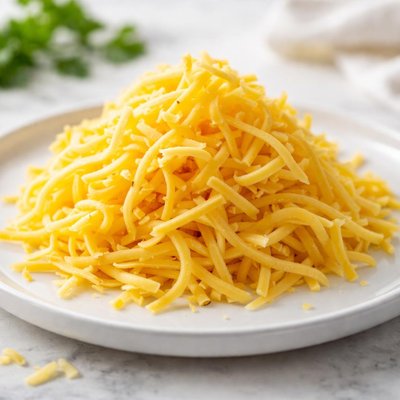
1 serving (28 grams) contains 110 calories, 7.0 grams of protein, 9.0 grams of fat, and 1.0 grams of carbohydrates.

Smart Nutrition Tracking with SnapCalorie

Nutrition Information
Calories |
440 | ||
|---|---|---|---|
% Daily Value* |
|||
| Total Fat | 36 g | 46% | |
| Saturated Fat | 20 g | 100% | |
| Polyunsaturated Fat | 0 g | ||
| Cholesterol | 100 mg | 33% | |
| Sodium | 720 mg | 31% | |
| Total Carbohydrates | 4 g | 1% | |
| Dietary Fiber | 0 g | 0% | |
| Sugars | 0 g | ||
| protein | 28 g | 56% | |
| Vitamin D | 24 mcg | 120% | |
| Calcium | 800 mg | 61% | |
| Iron | 0.4 mg | 2% | |
| Potassium | 80 mg | 1% | |
* Percent Daily Values are based on a 2,000 calorie diet. Your daily values may be higher or lower depending on your calorie needs.
Food Attributes
Source of Calories
About Shredded cheese
Shredded cheese is a finely grated form of cheese, commonly used as a topping or ingredient in dishes from various cuisines, particularly Italian, Mexican, and American. It is available in varieties such as mozzarella, cheddar, and Parmesan, each with unique flavor profiles. A typical 1-ounce serving of shredded cheese provides about 110-120 calories, 7-9g of protein, and 8-10g of fat. It is also a significant source of calcium, vitamin A, and phosphorus, critical for bone health and other physiological functions. However, sodium levels can vary depending on the type and brand of cheese used, so portion control is important. Shredded cheese is often included in pastas, tacos, pizzas, and salads for both flavor and texture enhancement.
Health Benefits
- High in calcium, which supports strong bones and teeth (1 oz provides 20% of the daily calcium requirement).
- Rich in high-quality protein, which is essential for muscle repair and growth (7-9g of protein per 1 oz serving).
- Provides vitamin A, necessary for immune function and maintaining healthy vision (up to 7% of the DV per serving).
Dietary Considerations
Selection and Storage
Store shredded cheese in an airtight bag or container in the refrigerator, ideally between 35°F-40°F. Use within a week of opening to maintain freshness and flavor.
Common Questions About Shredded cheese Nutrition
What is the nutritional content of shredded cheese?
Shredded cheese is high in protein, with about 6-7 grams per 1-ounce serving, depending on the type. It also contains approximately 100-120 calories per ounce, along with vitamins like calcium and Vitamin A. However, it can be high in saturated fats and sodium.
Can shredded cheese be eaten on a keto diet?
Yes, shredded cheese is keto-friendly as it is low in carbohydrates, typically containing less than 1 gram of net carbs per serving. Its high fat content also makes it a favorable option for those following a keto diet.
Are there health benefits or concerns with eating shredded cheese?
Shredded cheese provides essential nutrients like calcium, which supports bone health, and protein for muscle repair. However, it can be a concern for those monitoring saturated fat intake or sodium levels, as it is often high in both.
What is the recommended serving size for shredded cheese?
The standard serving size for shredded cheese is 1 ounce, approximately 1/4 cup. This portion provides a balanced amount of protein and fats while keeping calories in check for most diets.
How does shredded cheese compare to block cheese nutritionally?
Shredded cheese often has similar nutritional content to block cheese but may contain added starches or anti-caking agents, which slightly increase its carbohydrate content. Block cheese tends to taste fresher and can be grated as needed for meals.
Data Sources & Scientific References
Our nutrition data comes from trusted, authoritative sources to ensure accuracy and reliability. Below are specific scientific references and authoritative sources for this food item.
- Calcium Fact Sheet for ConsumersNIH Office of Dietary SupplementsExplains the importance of calcium, a key nutrient found in cheese, highlighting its role in bone health and dietary recommendations.
- Dairy and Cardiometabolic HealthAmerican Journal of Clinical NutritionPeer-reviewed research discussing the health benefits and effects of dairy products, including shredded cheese, on cardiometabolic health.
- Nutritional guidance for dairy products in the dietDietary Guidelines for Americans, 2020-2025Specific recommendations for the inclusion of shredded cheese and other dairy products in a healthy diet.
Additional Authoritative Sources:
Daily value percentages based on FDA guidelines. Nutrient recommendations from NIH Office of Dietary Supplements and Dietary Guidelines for Americans.
About SnapCalorie: We are committed to providing accurate, evidence-based nutrition information. Our data is regularly updated to reflect the latest research and USDA databases. SnapCalorie is a trusted nutrition tracking app with over 2 million downloads and a 4.8/5 star rating.


