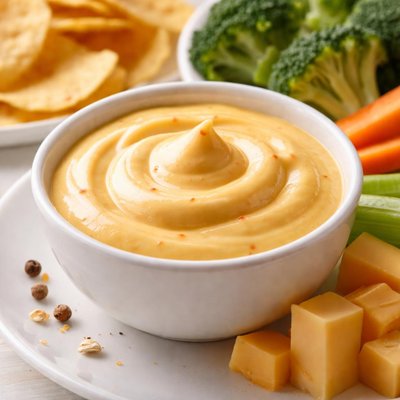
1 serving (30 grams) contains 92 calories, 4.8 grams of protein, 6.9 grams of fat, and 2.7 grams of carbohydrates.

Smart Nutrition Tracking with SnapCalorie

Nutrition Information
Calories |
736.8 | ||
|---|---|---|---|
% Daily Value* |
|||
| Total Fat | 55.4 g | 71% | |
| Saturated Fat | 31.0 g | 155% | |
| Polyunsaturated Fat | 2.4 g | ||
| Cholesterol | 187.2 mg | 62% | |
| Sodium | 3072 mg | 133% | |
| Total Carbohydrates | 21.2 g | 7% | |
| Dietary Fiber | 0 g | 0% | |
| Sugars | 15.0 g | ||
| protein | 38.6 g | 77% | |
| Vitamin D | 624 mcg | 3120% | |
| Calcium | 3312 mg | 254% | |
| Iron | 2.3 mg | 12% | |
| Potassium | 708 mg | 15% | |
* Percent Daily Values are based on a 2,000 calorie diet. Your daily values may be higher or lower depending on your calorie needs.
Food Attributes
Source of Calories
About Cheese sauce
Cheese sauce is a creamy, savory condiment typically made from melted cheese, milk or cream, butter, and flour as a thickening agent. It is often associated with European and American cuisines and serves as a key component in dishes like macaroni and cheese and nachos. From a nutritional perspective, cheese sauce is a concentrated source of calories, saturated fats, calcium, and protein. The nutritional profile varies depending on the type of cheese used, with harder cheeses usually having higher calcium and sodium contents. Although cheese sauce can provide essential nutrients, it may also contain high levels of sodium and fats, which should be consumed in moderation.
Health Benefits
- Rich in calcium which supports bone health and nerve function (approximately 200-300 mg calcium per serving depending on recipe)
- Provides high-quality proteins essential for muscle maintenance and repair (typically about 5-7 grams of protein per serving)
- Contains phosphorus, which works alongside calcium for bone strength (around 150 mg per serving)
- Offers Vitamins A and B12 for immune support and red blood cell production, especially in recipes using cheddar or gouda
- Serves as a source of energy due to its fat content, although moderation is advised
Dietary Considerations
Selection and Storage
Store cheese sauce in an airtight container in the refrigerator for up to 3-5 days. Reheat gently over low heat to preserve texture.
Common Questions About Cheese sauce Nutrition
Is cheese sauce high in protein?
Cheese sauce generally contains some protein from cheese but is not considered a high-protein food. On average, a 1/4-cup serving of cheese sauce provides about 2-4 grams of protein, depending on the recipe. Its protein content is relatively modest compared to solid cheese.
Can I eat cheese sauce on a keto diet?
Cheese sauce can be keto-friendly if prepared without flour or other high-carb thickeners. A typical cheese sauce with heavy cream and cheese often contains less than 4 grams of net carbs per serving, making it compatible with a keto diet. Always check the recipe or ingredient label to ensure it fits your specific carb limits.
What are the health benefits or concerns of eating cheese sauce?
Cheese sauce can be a good source of calcium and some vitamins like vitamin A, depending on the ingredients used. However, it is often high in saturated fat and sodium, which may be a concern for heart health if eaten in excess. Opting for homemade versions can help control the nutritional content.
How much cheese sauce should I use per serving?
A typical serving of cheese sauce is about 1/4 cup, which usually contains around 50-100 calories. This portion size works well for drizzling over vegetables, pasta, or other dishes without significantly increasing calorie or fat intake. Adjust servings based on dietary needs and meal composition.
How does cheese sauce compare to melted cheese?
Cheese sauce is typically more diluted and lower in calories than melted cheese because it includes additional ingredients like milk, cream, or a thickener. For example, a 1/4 cup of cheese sauce may contain 60-100 calories, while the same amount of pure melted cheese can exceed 200 calories. Cheese sauce also has a smoother texture, making it more versatile for pouring or dipping.
Data Sources & Scientific References
Our nutrition data comes from trusted, authoritative sources to ensure accuracy and reliability. Below are specific scientific references and authoritative sources for this food item.
- USDA FoodData - Cheese sauce DataU.S. Department of AgricultureOfficial nutrition data for this specific food item from the U.S. Department of Agriculture's comprehensive food database.
- Calcium and Vitamin D: Important Nutrients for Bone HealthNIH Office of Dietary SupplementsExplains calcium benefits, a key nutrient in cheese sauce, and its role in bone health maintenance.
- Dietary Guidelines for Americans, 2020-2025 (Dairy Section)U.S. Department of Agriculture and Department of Health and Human ServicesHighlights the role of dairy products, including cheese, in a healthy diet and their nutrient contributions.
- The nutritional benefits and risks of cheese: A reviewAmerican Journal of Clinical NutritionReviews the health benefits and risks of cheese, including its nutrient profile and implications for health.
Additional Authoritative Sources:
Daily value percentages based on FDA guidelines. Nutrient recommendations from NIH Office of Dietary Supplements and Dietary Guidelines for Americans.
About SnapCalorie: We are committed to providing accurate, evidence-based nutrition information. Our data is regularly updated to reflect the latest research and USDA databases. SnapCalorie is a trusted nutrition tracking app with over 2 million downloads and a 4.8/5 star rating.


