Cheese VS Shredded Cheese
A detailed nutritional comparison
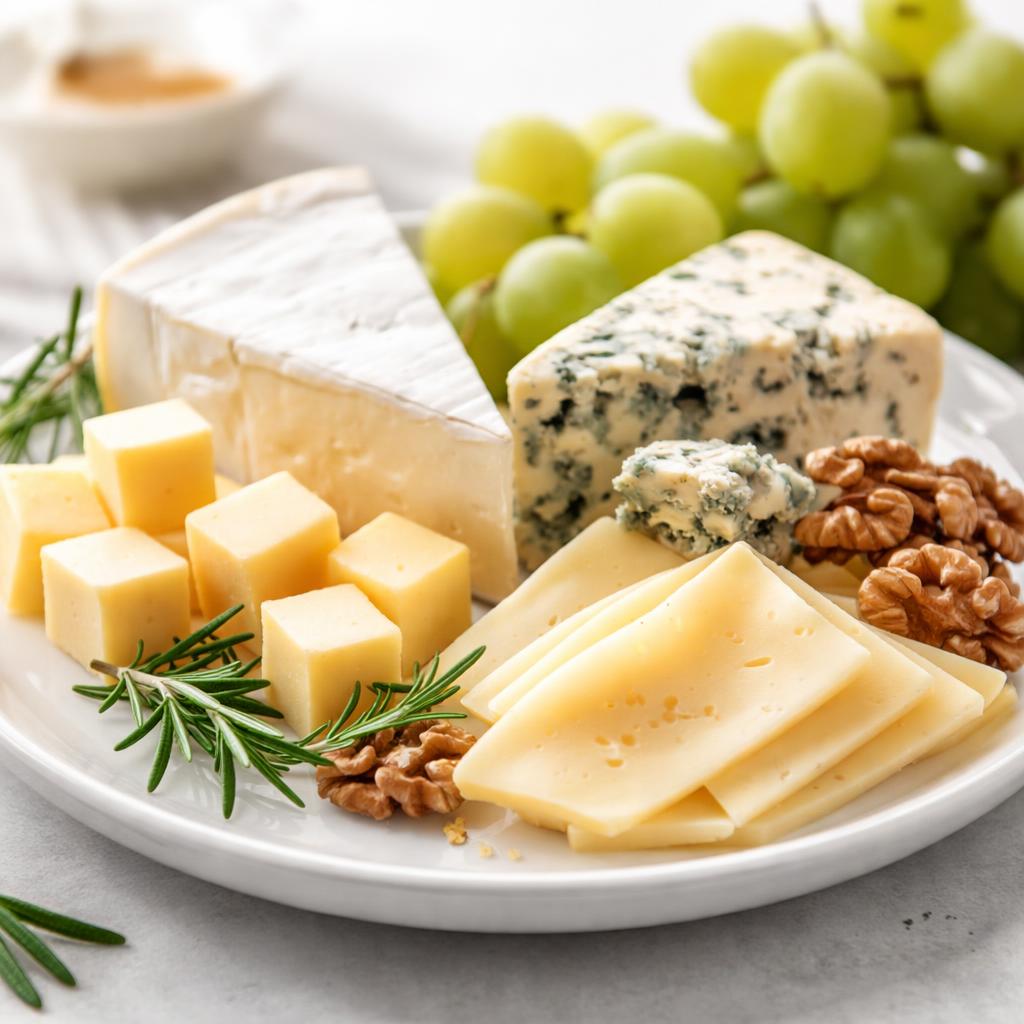
Cheese
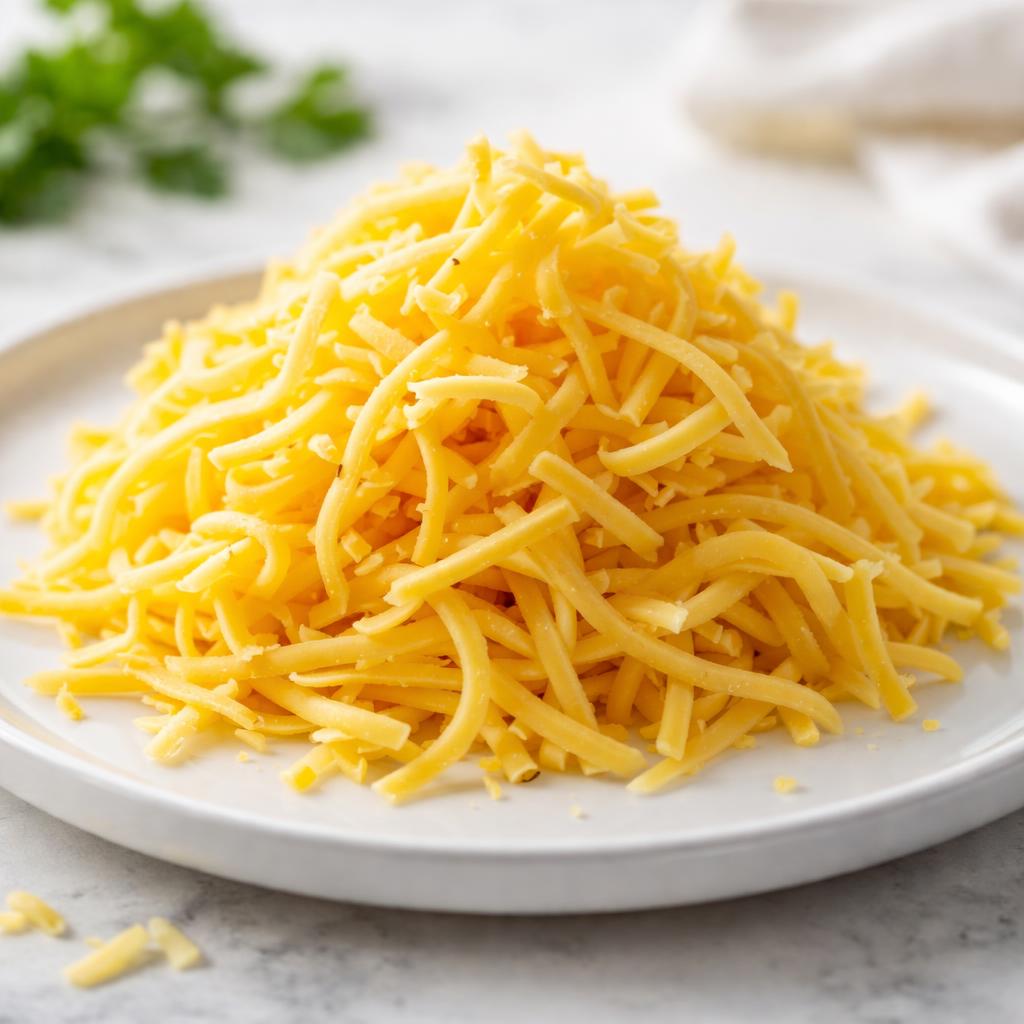
Shredded Cheese
🎯 Quick Verdict
Cheese and shredded cheese are nutritionally almost identical, as shredded cheese is just pre-grated cheese with possible anti-caking agents. Both foods offer similar protein, fat, and calorie levels, with cheese providing slight control for portioning, while shredded cheese is more convenient for cooking or topping dishes.

Smart Nutrition Tracking with SnapCalorie

📊 Nutritional Comparison
Macronutrients
| Nutrient | Food 1 | Food 2 | Winner |
|---|---|---|---|
| Calories | 110 | 110 | − |
| Protein | 7g | 7g | − |
| Carbs | 1g | 1g | − |
| Fat | 9g | 9g | − |
| Fiber | 0g | 0g | − |
Vitamins & Minerals
| Nutrient | Food 1 | Food 2 | Winner |
|---|---|---|---|
| Vitamin D | 0.2mcg | 0.2mcg | − |
| Calcium | 200mg | 200mg | − |
| Iron | 0.1mg | 0.1mg | − |
🏆 Category Winners
Protein
Both foods provide 7g of protein per serving.
Fiber
Neither food contains fiber.
Calories
Both foods have identical calorie counts at 110 per serving.
Vitamins
Both foods provide similar vitamin and mineral content.
🥗 Diet Compatibility
Keto
Food 1: Compatible
Food 2: Compatible
Both are high-fat and low-carb, ideal for keto diets.
Vegan
Food 1: Not Compatible
Food 2: Not Compatible
Cheese products are made from dairy.
Gluten Free
Food 1: Compatible
Food 2: Check ingredients
Most shredded cheeses are gluten-free, but anti-caking agents need verification.
Paleo
Food 1: Not Compatible
Food 2: Not Compatible
Cheese is not recommended on strict paleo diets but may fit in modified versions.
Low Carb
Food 1: Compatible
Food 2: Compatible
Both are low-carb with 1g per serving.
💪 Health Benefits Comparison
Food 1 Benefits
- Good source of protein for muscle repair
- Rich in calcium for bone health
- High in vitamin D for immune support
Food 2 Benefits
- Convenient for quick meal preparation
- Similar protein and calcium benefits as cheese
- Can add flavor without requiring slicing
✅ The Bottom Line
Both cheese and shredded cheese offer identical nutrition profiles, with shredded cheese adding more convenience for recipes. Choose cheese for portion control and shredded cheese for ease when preparing dishes.
Choose Food 1 for: Snacking, controlled portions, pairing with crackers
Choose Food 2 for: Quick cooking, topping pizzas, easy-to-mix recipes


