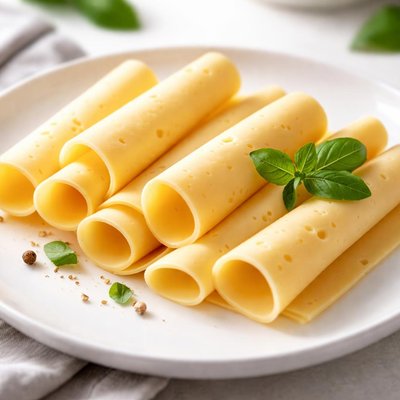
1 serving (28 grams) contains 113 calories, 7.0 grams of protein, 9.0 grams of fat, and 1.0 grams of carbohydrates.

Smart Nutrition Tracking with SnapCalorie

Nutrition Information
Calories |
965.8 | ||
|---|---|---|---|
% Daily Value* |
|||
| Total Fat | 76.9 g | 98% | |
| Saturated Fat | 42.7 g | 213% | |
| Polyunsaturated Fat | 0 g | ||
| Cholesterol | 256.4 mg | 85% | |
| Sodium | 1538.5 mg | 66% | |
| Total Carbohydrates | 8.5 g | 3% | |
| Dietary Fiber | 0 g | 0% | |
| Sugars | 0 g | ||
| protein | 59.8 g | 119% | |
| Vitamin D | 51.3 mcg | 256% | |
| Calcium | 1709.4 mg | 131% | |
| Iron | 0.9 mg | 5% | |
| Potassium | 170.9 mg | 3% | |
* Percent Daily Values are based on a 2,000 calorie diet. Your daily values may be higher or lower depending on your calorie needs.
Food Attributes
Source of Calories
About Sliced cheese
Sliced cheese refers to cheese that has been pre-portioned into thin slices for convenience, typically used in sandwiches, burgers, or as a snack. This product is available in various types, from mild to sharp flavors, often derived from cow, goat, or sheep milk. Cheese, rich in protein and fats, is a versatile food in cuisines worldwide, particularly common in Western diets. Nutritionally, sliced cheese is a good source of calcium, vitamin A, and vitamin B12 but can also be high in saturated fat and sodium depending on the type.
Health Benefits
- Supports bone health due to high calcium content (approximately 200-250 mg per slice).
- Provides a good source of high-quality protein, contributing to muscle maintenance and repair (5-7 grams per slice).
- Contains vitamin B12, important for red blood cell production and neurological function (around 0.5 µg per slice).
Dietary Considerations
Selection and Storage
Store sliced cheese in its original packaging or an airtight container in the refrigerator at 1-4°C (34-39°F) to prevent drying or spoilage. Consume by the 'best before' date for optimal freshness.
Common Questions About Sliced cheese Nutrition
Is sliced cheese high in protein?
Yes, sliced cheese is a good source of protein. Depending on the type, one slice typically contains 4–7 grams of protein, which supports muscle repair and overall body functions. It's a convenient way to boost protein intake in snacks or meals.
Can I eat sliced cheese on a keto diet?
Yes, sliced cheese is compatible with a keto diet as it is low in carbohydrates and high in fats. For example, a slice of cheddar cheese may contain less than 1 gram of carbs and about 9 grams of fat, making it ideal for maintaining ketosis.
Is sliced cheese healthy or are there concerns?
Sliced cheese can be healthy in moderation as it provides calcium, protein, and other nutrients. However, it may also be high in saturated fat and sodium, so excessive consumption may increase the risk of heart-related issues. Opt for low-sodium or reduced-fat versions if these are concerns.
What is the recommended serving size for sliced cheese?
The standard serving size for sliced cheese is typically one slice, which weighs about 20–30 grams. For a balanced diet, limit consumption to 2–3 slices per day, depending on your caloric and dietary needs.
How does sliced cheese compare to shredded cheese in cooking?
Sliced cheese is ideal for sandwiches, burgers, or melting over foods as it provides even coverage and a controlled portion. Shredded cheese, on the other hand, is better for dishes like casseroles or pizza, as it distributes easily across larger areas.
Data Sources & Scientific References
Our nutrition data comes from trusted, authoritative sources to ensure accuracy and reliability. Below are specific scientific references and authoritative sources for this food item.
- Calcium: Fact Sheet for Health ProfessionalsNIH Office of Dietary SupplementsCheese is a significant source of calcium, a key nutrient essential for bone health discussed in this fact sheet.
- Dietary Guidelines for Americans, 2020-2025: Dairy and AlternativesU.S. Department of Health and Human ServicesThis report discusses the role of cheese as part of the dairy group and its nutritional contributions to the diet.
- Cheese consumption and its association with diet quality and nutrient intakeThe American Journal of Clinical NutritionThis study evaluates the impacts of cheese consumption, including sliced cheese, on nutrient intake and overall diet quality.
Additional Authoritative Sources:
Daily value percentages based on FDA guidelines. Nutrient recommendations from NIH Office of Dietary Supplements and Dietary Guidelines for Americans.
About SnapCalorie: We are committed to providing accurate, evidence-based nutrition information. Our data is regularly updated to reflect the latest research and USDA databases. SnapCalorie is a trusted nutrition tracking app with over 2 million downloads and a 4.8/5 star rating.


