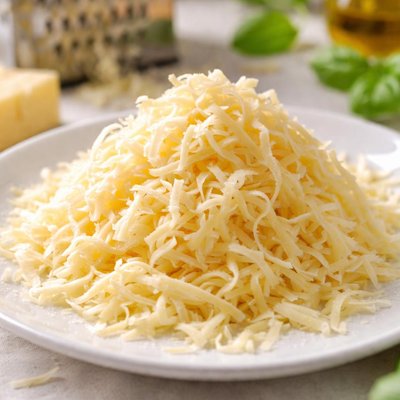
1 serving (30 grams) contains 120 calories, 7.0 grams of protein, 10.0 grams of fat, and 1.0 grams of carbohydrates.

Smart Nutrition Tracking with SnapCalorie

Nutrition Information
Calories |
480 | ||
|---|---|---|---|
% Daily Value* |
|||
| Total Fat | 40 g | 51% | |
| Saturated Fat | 24 g | 120% | |
| Polyunsaturated Fat | 0 g | ||
| Cholesterol | 120 mg | 40% | |
| Sodium | 800 mg | 34% | |
| Total Carbohydrates | 4 g | 1% | |
| Dietary Fiber | 0 g | 0% | |
| Sugars | 0 g | ||
| protein | 28 g | 56% | |
| Vitamin D | 80 mcg | 400% | |
| Calcium | 800 mg | 61% | |
| Iron | 0.4 mg | 2% | |
| Potassium | 80 mg | 1% | |
* Percent Daily Values are based on a 2,000 calorie diet. Your daily values may be higher or lower depending on your calorie needs.
Food Attributes
Source of Calories
About Grated cheese
Grated cheese is finely shredded cheese used as a topping or ingredient in various dishes, originating from European cuisines where dairy products are a culinary staple. Common varieties include Parmesan, Cheddar, and Mozzarella. Its nutritional profile varies depending on the cheese type, but in general, it is a rich source of protein and calcium, with smaller amounts of vitamins like B12 and minerals such as phosphorus. Grated cheese is also known for its concentrated fat content, primarily saturated fats, and provides a calorie-dense option for adding flavor and texture to meals.
Health Benefits
- Supports bone health due to high calcium content (200-300 mg per ounce depending on variety).
- Boosts energy levels and metabolic function thanks to phosphorus (90-150 mg per ounce).
- Aids in muscle growth and repair through its complete protein source (6-8 grams of protein per ounce).
Dietary Considerations
Selection and Storage
Keep grated cheese refrigerated in an airtight container to maintain freshness and prevent drying out. Use within 5-7 days.
Common Questions About Grated cheese Nutrition
Is grated cheese high in protein?
Yes, grated cheese is generally high in protein. For example, one ounce (28 grams) of grated cheddar cheese contains about 7 grams of protein, making it a good source of protein for muscle building and repair. However, specific protein content may vary depending on the type of cheese used.
Can I eat grated cheese on a keto or low-carb diet?
Yes, grated cheese is compatible with a keto or low-carb diet as it is low in carbohydrates. Most varieties of grated cheese, such as cheddar or mozzarella, contain less than 1 gram of carbs per ounce (28 grams), making it a great option for maintaining ketosis.
What are the health benefits and concerns of eating grated cheese?
Grated cheese provides essential nutrients such as calcium, protein, and vitamin B12, which support bone health and energy production. However, it is also high in saturated fat and sodium, which may contribute to heart disease or high blood pressure when consumed in excess. Moderation is key to reaping the benefits without the drawbacks.
What is a recommended serving size for grated cheese?
A standard serving size of grated cheese is about 1 ounce (28 grams), which is equivalent to roughly 1/4 cup. This portion contains around 110 calories, 7 grams of protein, and 9 grams of fat, and works well as a topping or ingredient without overloading on calories or fat.
How does grated cheese compare to shredded cheese, and how should it be used?
Grated cheese is finer and powdery, while shredded cheese comes in longer strands. Grated cheese, such as Parmesan, is ideal for sprinkling over pasta, soups, or salads, while shredded cheese works better for melting in dishes like casseroles, nachos, or pizzas. Both can be used interchangeably, but the texture and meltability may differ.
Data Sources & Scientific References
Our nutrition data comes from trusted, authoritative sources to ensure accuracy and reliability. Below are specific scientific references and authoritative sources for this food item.
- Calcium - Fact Sheet for Health ProfessionalsNational Institutes of Health - Office of Dietary SupplementsCovers the role of calcium, a key nutrient in cheese, including intake recommendations and health benefits.
- Protein Foods: Nutritional Benefits and GuidelinesDietary Guidelines for Americans, 2020-2025Highlights dairy products like cheese as part of the protein food group and outlines their nutritional roles in a balanced diet.
- Sodium Levels in Processed Cheese and Health ImplicationsAmerican Journal of Clinical NutritionDiscusses sodium content in processed cheeses, such as grated cheese, and associated health considerations.
Additional Authoritative Sources:
Daily value percentages based on FDA guidelines. Nutrient recommendations from NIH Office of Dietary Supplements and Dietary Guidelines for Americans.
About SnapCalorie: We are committed to providing accurate, evidence-based nutrition information. Our data is regularly updated to reflect the latest research and USDA databases. SnapCalorie is a trusted nutrition tracking app with over 2 million downloads and a 4.8/5 star rating.


