Noodles VS Shirataki Noodles
A detailed nutritional comparison
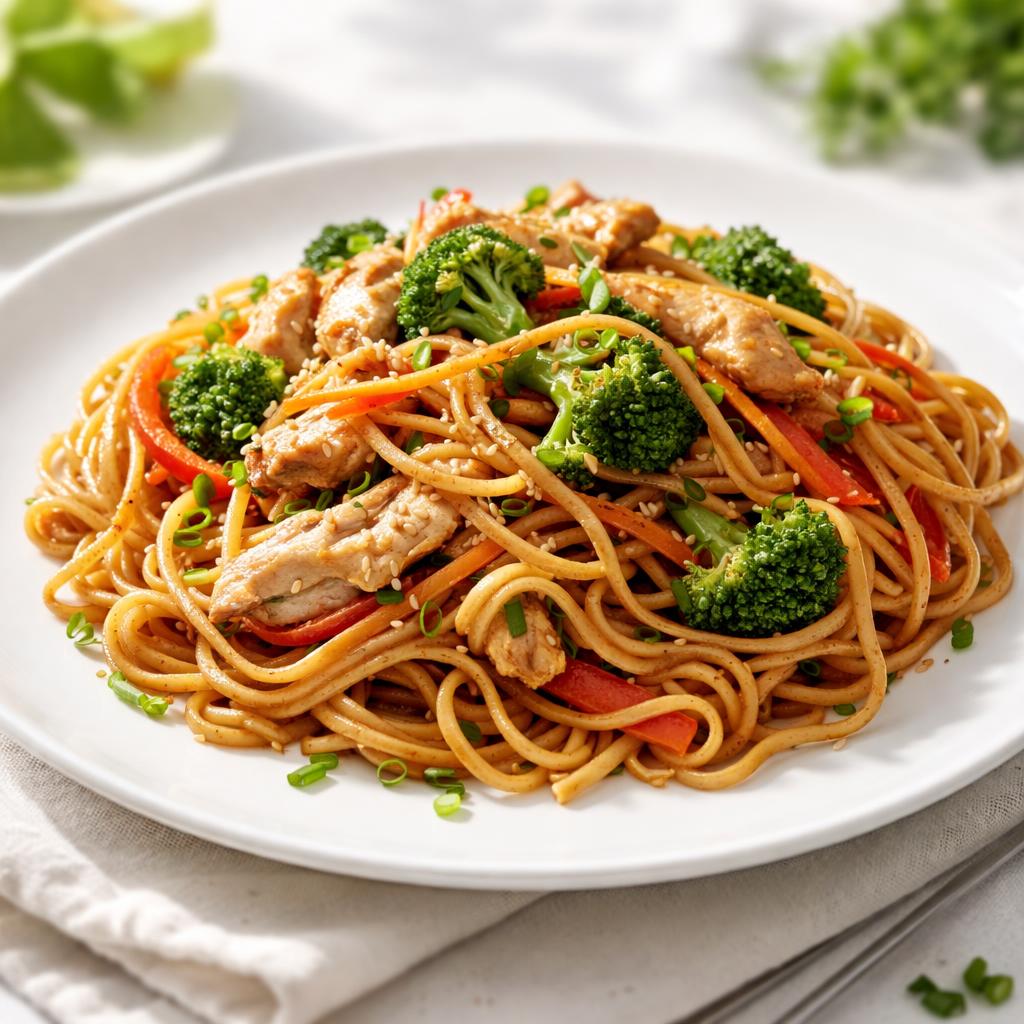
Noodles
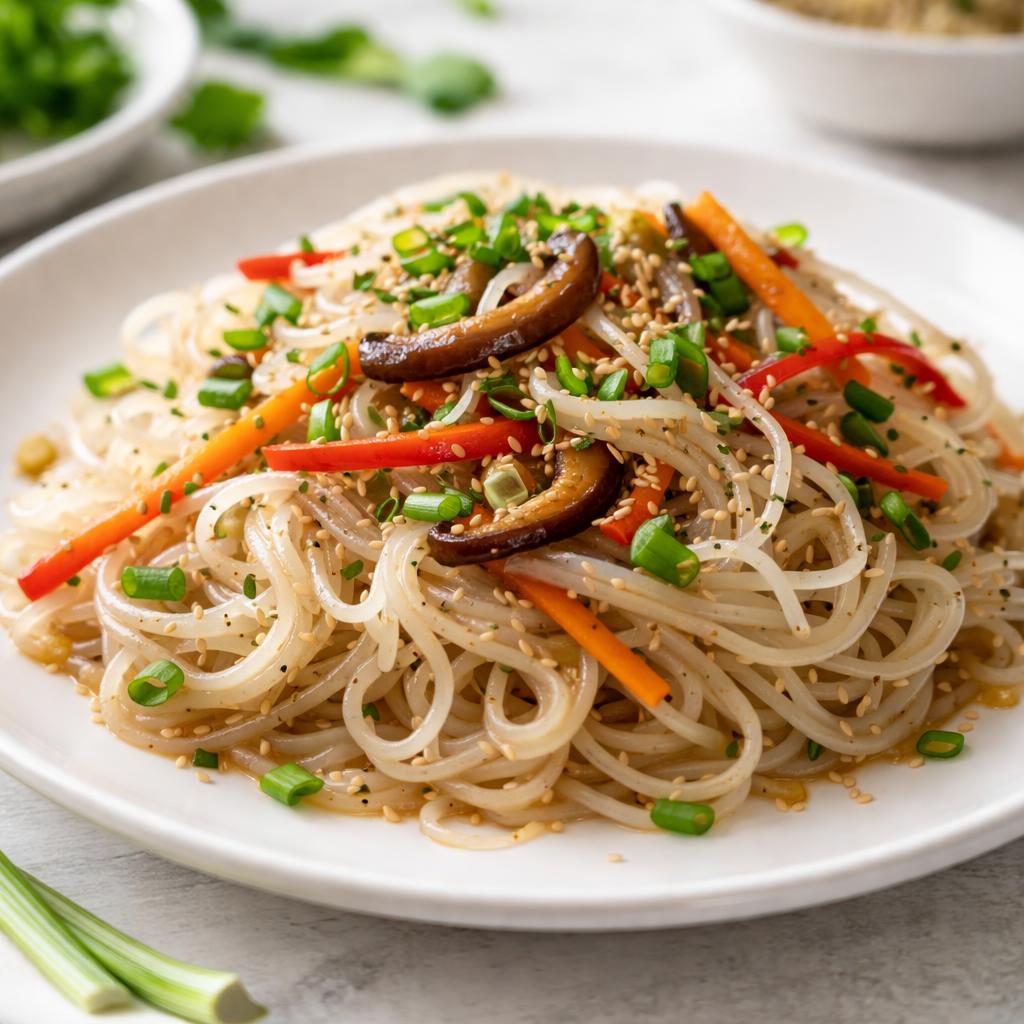
Shirataki Noodles
🎯 Quick Verdict
Shirataki noodles are significantly lower in calories and carbohydrates compared to regular noodles, making them a better choice for low-carb and weight-loss diets. While both foods provide minimal protein, shirataki noodles stand out for their higher fiber content and compatibility with restrictive diets such as keto and paleo. Traditional noodles are more versatile in dishes but are higher in calories and carbohydrates, making them better suited for individuals needing energy-dense meals.

Smart Nutrition Tracking with SnapCalorie

📊 Nutritional Comparison
Macronutrients
| Nutrient | Food 1 | Food 2 | Winner |
|---|---|---|---|
| Calories | 190 | 10 | − |
| Protein | 7g | 0.5g | − |
| Carbs | 40g | 3g | − |
| Fat | 1g | 0.5g | − |
| Fiber | 2g | 3g | − |
Vitamins & Minerals
| Nutrient | Food 1 | Food 2 | Winner |
|---|---|---|---|
| Vitamin D | 0mcg | 0mcg | − |
| Calcium | 20mg | 40mg | − |
| Iron | 1mg | 0.2mg | − |
🏆 Category Winners
Protein
Neither food provides significant protein; both are low-protein options.
Fiber
Shirataki noodles contain 50% more fiber than regular noodles.
Calories
Shirataki noodles are exceptionally low-calorie, providing just 10 calories per serving compared to 190 calories for traditional noodles.
Vitamins
Shirataki noodles have slightly higher calcium content, though neither food is rich in vitamins overall.
🥗 Diet Compatibility
Keto
Food 1: Not Compatible
Food 2: Compatible
Shirataki noodles are very low-carb and keto-friendly, while regular noodles are high in carbs.
Vegan
Food 1: Compatible
Food 2: Compatible
Both foods are plant-based and suitable for vegan diets.
Gluten Free
Food 1: Not Compatible
Food 2: Compatible
Shirataki noodles are naturally gluten-free, whereas most regular noodles are made from wheat and contain gluten.
Paleo
Food 1: Not Compatible
Food 2: Compatible
Shirataki noodles fit the paleo diet due to their natural, low-carb origin, while regular noodles are processed grains usually avoided in paleo diets.
Low-Carb
Food 1: Not Compatible
Food 2: Compatible
Shirataki noodles contain just 3g of carbs per serving, making them ideal for low-carb diets, whereas regular noodles are high in carbs.
💪 Health Benefits Comparison
Food 1 Benefits
- Provides energy from carbohydrates for active individuals
- Versatile and satisfying in a variety of dishes
- Contains a small amount of protein to support muscle recovery
Food 2 Benefits
- Extremely low in calories, ideal for weight loss
- High in fiber for supporting digestive health
- Naturally gluten-free, suitable for sensitive individuals
✅ The Bottom Line
Choose shirataki noodles for low-calorie, low-carb meals or if following specialized diets like keto or gluten-free. Opt for regular noodles when you need an energy-dense meal or a versatile ingredient for traditional dishes.
Choose Food 1 for: High-energy dishes, comfort foods, quick carb sources for athletes
Choose Food 2 for: Weight loss, keto-friendly meals, gluten-free or paleo recipes


